
How fleet telematics can optimise loading operations
Loading operations involve a variety of data, from trailer identification, scheduling and inventory. Modern loading infrastructure, such as modular platforms and mobile docks, can help streamline data management. However, it can be challenging to get the most out of those insights.
Integrating fleet telematics serves as a gateway to record real-time data and improve warehouse operations moving forward.
Modern Loading Infrastructure with Fleet Telematics
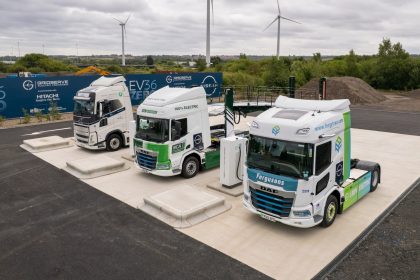
Fleet telematics can make vehicle management much easier for UK transport companies and managers by combining GPS technology, vehicle diagnostics and real-time data. The market for it was valued at $11.50 billion in 2025 and is expected to reach $31.20 billion by 2034.
The rise of integrating modern loading infrastructure and fleet telematics couldn’t have come at a better time. Recent UK trailer legislation requires vehicle operators to exercise real-time visibility of braking systems, vehicle health and other attributes. These advanced systems will be able to keep pace with these changes, especially with further innovations down the line.
How the Power of Data Can Improve Operations
Here’s an overview of key fleet data and how you could use it to improve your loading infrastructure and operations.
Enhance Dock Scheduling
Fleet data typically records the dwell and queue time for their current roster. Unfortunately, multiple carriers may strain facility capacity and affect loading efficiency. Use telematics to adjust loading-dock appointment times to avoid those conflicts.
You can also automate maintenance scheduling based on mileage, engine hours or dates. That way, you can ensure that all trailers meet your operational standards.
Automate Gate Operations
The standard for recording truck arrivals and departures at the bay and loading dock can create a bottleneck in the loading process. Integrating telematics data with your current loading management system can automate the check-ins.
You can even automate geofences to scan for any open bays and to direct the truck toward them. An optimal route and destination can speed up the sorting of these vehicles.
Expand Infrastructure Plan
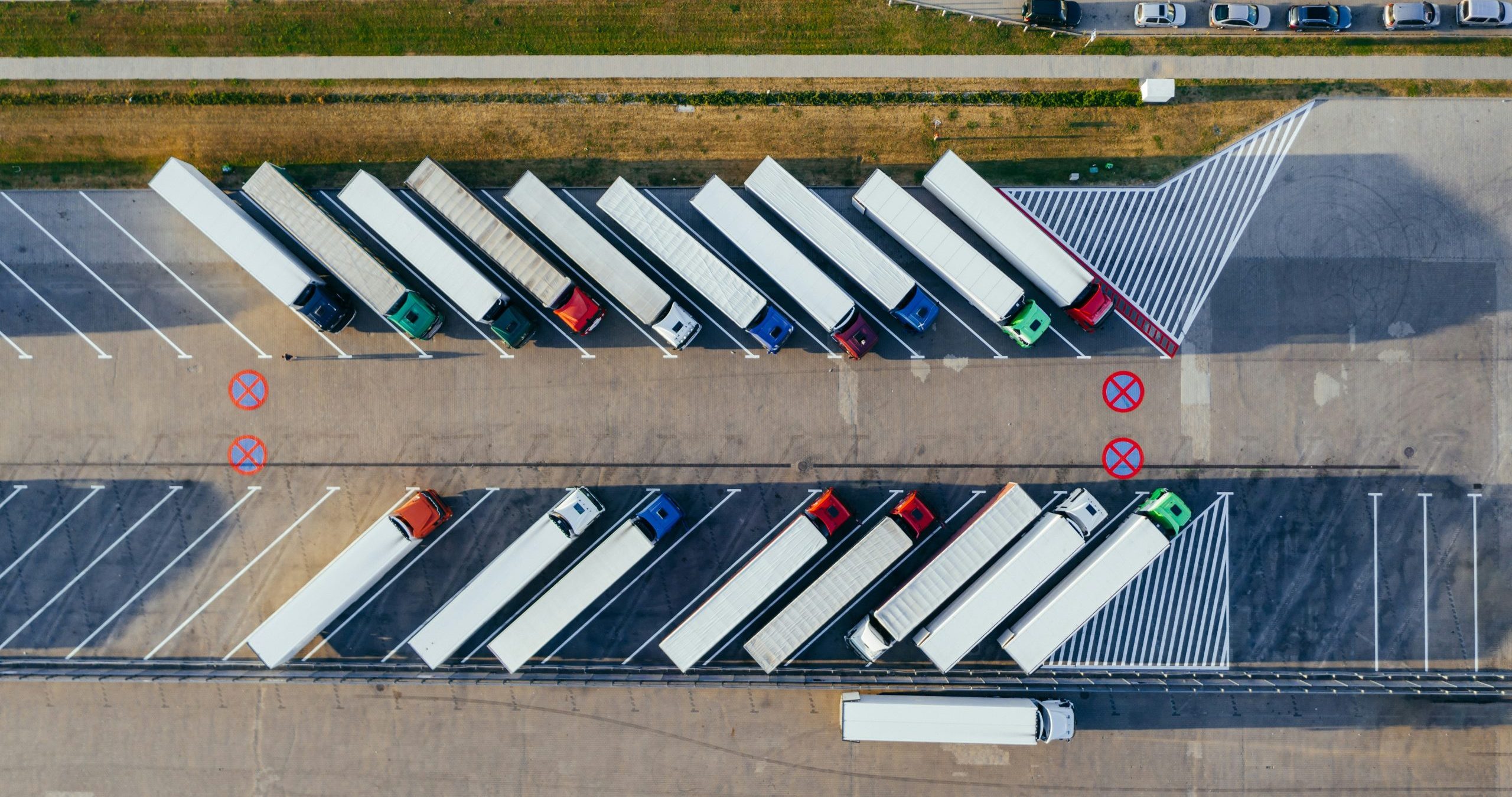
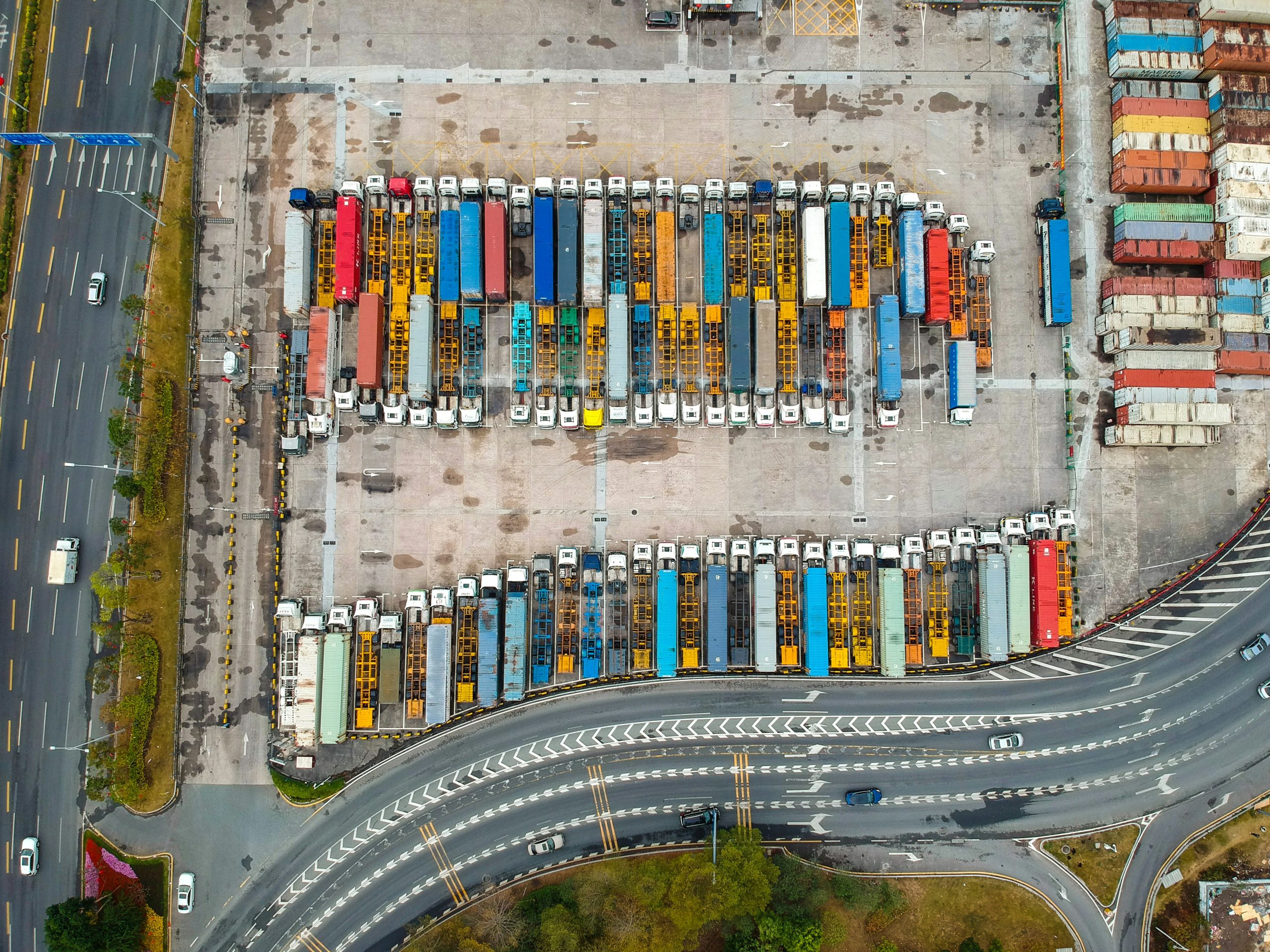
Transportation businesses have limited loading docks and staging areas. Telematics data can reveal traffic flow and wait times that you can use when brainstorming how to change the facility’s physical layout or expand the infrastructure entirely.
Understanding infrastructure expansion can also be helpful when you want to upsize the fleet. A standard trailer can be up to 57 feet long, which is why it’s vital to have multiple staging areas that can accommodate that length.
Improve Fleet Synergy
A better understanding of when and where certain trucks will arrive can help warehouse workers determine where their cargo should go or how it should be sorted. This level of visibility can enable collaboration and accelerate loading with minimal miscommunication. Plus, it prevents idle time in the long run.
Support Equipment Productivity
Better systems can also lead to better equipment productivity. A study on construction found that integrating an intelligent fleet monitoring system generated classification and productivity estimation inaccuracies within 2.5% while improving equipment combinations and cycle time efficiency. Spotting and mitigating the same errors for fleet vehicles in the transportation industry can improve efficiency.
Get the Most Out of Your Fleet Data
Combining telematics systems with your modern loading infrastructure can be a game-changer in deploying and tracking your fleet more efficiently. Accumulate your real-time data and fix or improve the phases of your loading process that need assistance.
Author: Evelyn Long, Editor-in-Chief of Renovated Magazine