
Euro 7 could accelerate UK van fleets’ shift to electric
New Euro 7 emissions rules could add further pressure on UK fleet operators to review their vehicle replacement strategies, with higher compliance requirements potentially making some new vans more expensive and strengthening the case for a phased switch to electric vehicles.
The EU’s Euro 7 standard will apply to new light commercial vehicle models from 29 November 2026, with requirements for all new vans following from 29 November 2027. Heavy-duty vehicles will follow from 2028. The UK Government is proposing to align Great Britain with the EU timetable, although the GB regime is not yet final. Northern Ireland will automatically follow the EU requirements.
Euro 7 extends emissions regulation beyond conventional exhaust pollutants. For cars and vans, the standard introduces limits for brake particle emissions and tyre abrasion, while also strengthening requirements around emissions monitoring and vehicle durability. The regulations increase lifetime requirements to up to 10 years or 200,000 kilometres for cars and vans.
For fleet operators, the significance is that emissions compliance increasingly becomes a long-term consideration rather than something dealt with solely when a vehicle is type-approved and registered.
Dawsongroup vans, a nationwide commercial van rental company specialising in long-term fixed-term rental agreements, has been tracking the implications for operators. Simon Ridley, Managing Director at Dawsongroup vans, said the timing could prove particularly challenging for a sector already under pressure.
“Fleet operators are being asked to absorb another layer of complexity at exactly the point when van registrations are falling and business confidence is weak,” says Ridley. “Euro 7 isn’t just a tailpipe issue. It touches vehicle durability, monitoring systems and how manufacturers price new models, and all of that eventually lands on the operator’s balance sheet.”
Van market already under pressure
The potential impact of Euro 7 comes as the UK light commercial vehicle market faces a challenging trading environment. New LCV registrations fell by 10.3% in 2025 to 315,422 units, according to the Society of Motor Manufacturers and Traders (SMMT), with fleet renewal contracting in every month apart from December.
Ridley warns that the consequences of Euro 7 could extend beyond the price of individual vehicles, with manufacturers potentially reviewing whether certain models remain commercially viable.
“Where a model doesn’t sell in the numbers needed to justify the compliance investment, the manufacturer’s easiest option is to hold it back or drop it from the range,” he explains. “Fleets planning replacement cycles around specific models need to build that risk into their thinking now, rather than assuming the vehicle they want will still be available when their current contract ends.”
“When registrations are already down and businesses are holding off on fleet decisions, adding new compliance costs to newly launched models risks pushing that hesitation even further,” Ridley explains. “Operators need clarity now on what Euro 7 will mean for the vehicles they’re planning to order in 2027 and beyond.”
Congestion strengthens fleet electrification case
The regulatory changes also arrive alongside rising operating pressures for van-based businesses. UK drivers lost an average of 59 hours to congestion during 2025, according to INRIX, with the resulting cost estimated at £822 per driver and £11 billion nationally.
For operators making multiple deliveries or service calls each day, congestion can increase fuel consumption, vehicle wear and driver costs, adding to the case for examining fleet strategy more broadly.
“Congestion, emissions rules and city access restrictions are all pointing businesses in the same direction,” says Ridley. “The vans that avoid the sharpest edges of Euro 7 tend to be the same vans that also sidestep clean air zone charges and lower running costs. Fleet decisions can’t be made in silos anymore.”
Could rental accelerate electric van adoption?
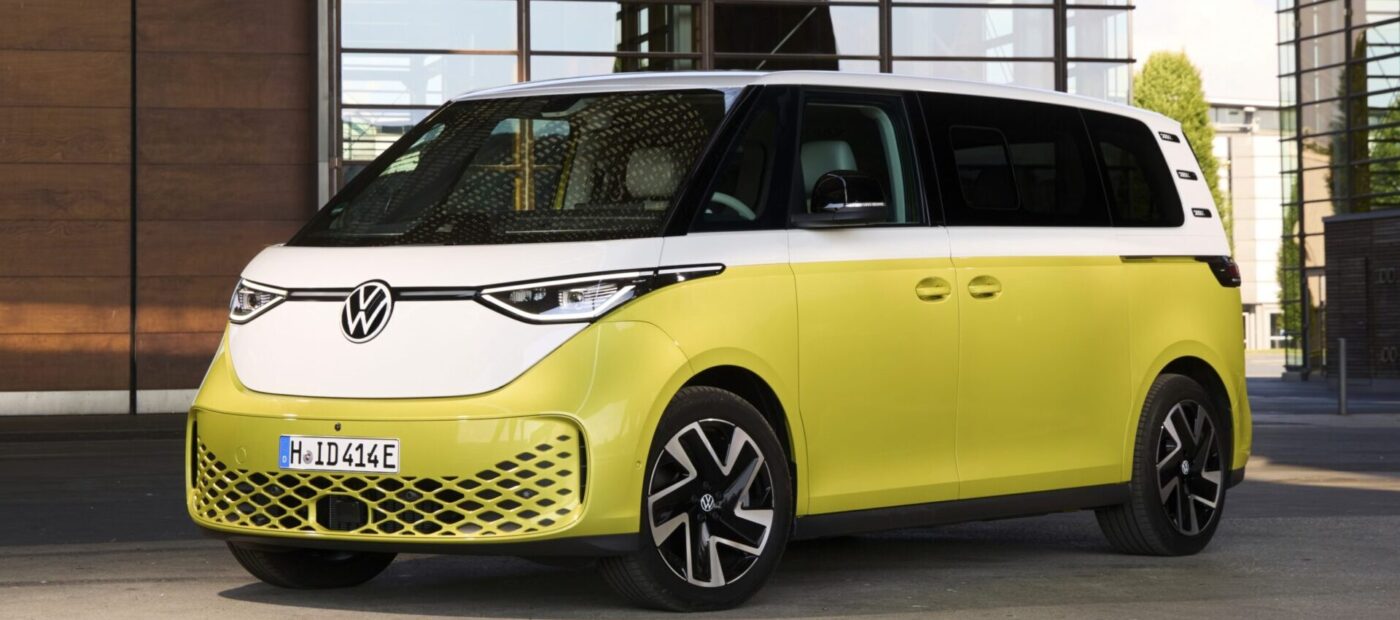
Battery electric van registrations increased by 36.2% in 2025 to a record 30,169 units, even as the wider LCV market contracted. However, outright ownership remains a significant commitment for operators uncertain about charging infrastructure, residual values and how quickly electric van technology will develop.
Euro 7 also introduces battery durability requirements for electric and plug-in hybrid vehicles. The rules are intended to ensure batteries maintain specified performance over defined periods and mileages, providing greater transparency around long-term vehicle performance.
“Battery durability rules give operators more confidence in what they’re actually buying or hiring,” says Ridley. “For a business signing a multi-year agreement, knowing the battery is required to hold its performance for a set period removes a lot of the guesswork that’s put people off electric vans until now.”
Dawsongroup vans says it has seen increasing interest from operators looking to adopt electric vans through rental rather than outright purchase.
“Buying an electric van outright means committing to today’s technology, today’s grant levels and today’s residual value assumptions, all at once,” says Ridley. “Rental separates those decisions. An operator can trial electric vans on their toughest routes, swap models as newer, more efficient versions come to market, and avoid being left with a depreciating asset if their operational needs change.”
He adds that fixed-term agreements can also reduce the administrative burden associated with increasingly complex vehicle technology and compliance requirements.
“Battery durability monitoring, on-board emissions systems, tamper protection, these all sit with us rather than the business hiring the van. For operators without an in-house fleet team, that’s often the deciding factor.”
Ridley says rental can also support a gradual transition rather than forcing businesses to make an immediate wholesale change.
“Nobody needs to switch their whole fleet overnight. We’re seeing operators run electric vans alongside diesel on a phased basis, using rental to test what works before making any long-term commitment either way.”
With the EU’s first Euro 7 deadline now only months away and the UK Government proposing alignment for Great Britain, fleet operators have little reason to delay reviewing their replacement plans.
“With the Euro 7 deadline now 17 months away, the operators who start planning now, rather than waiting for final confirmation of the UK’s approach, will be best placed to manage the transition on their own terms,” adds Ridley.
For UK van fleets, the immediate issue is therefore not simply whether Euro 7 will increase vehicle costs. Operators also need to consider model availability, whole-life costs, urban access requirements, charging infrastructure and whether rental can provide a lower-risk route into electrification.