

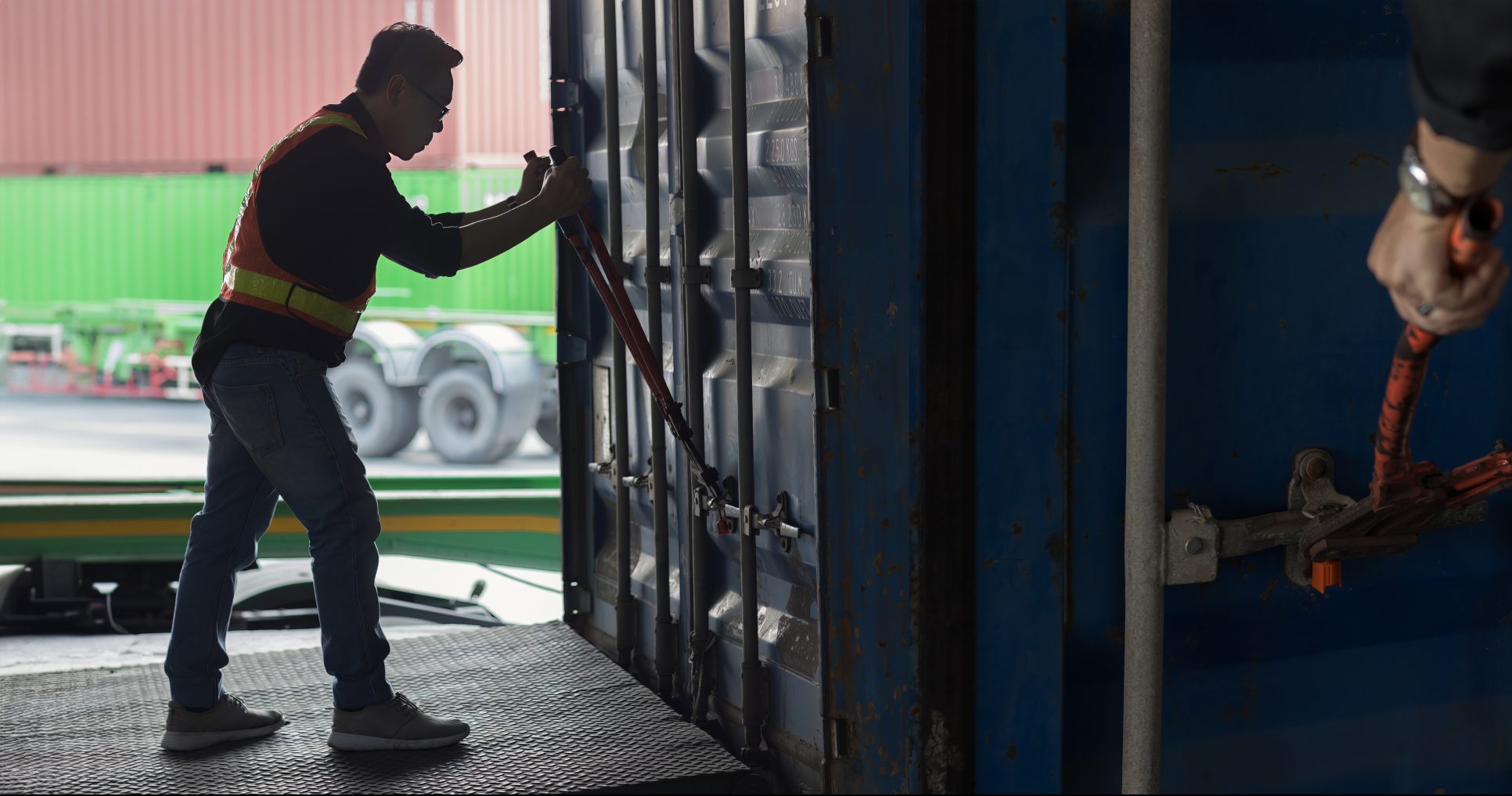
Cargo crime threat rises across UK and Europe
The growing threat of organised cargo crime across the UK and Europe is putting greater focus on the importance of secure HGV parking, with transport operators being urged to prioritise safe stopping locations to protect drivers, vehicles and valuable freight.
New industry intelligence from BSI Consulting and TT Club highlights that cargo theft remains one of the fastest-growing risks facing the logistics sector, with criminal networks becoming increasingly sophisticated in the way they target supply chains.
From thefts at unsecured rest areas to fraudulent vehicle collections, identity-based cargo theft and digital-enabled fraud, organised criminal groups are exploiting vulnerabilities throughout the transport network.
Cargo theft remains a major logistics challenge
Across Europe, Germany recorded the highest proportion of reported cargo theft incidents at 27%, followed by Italy at 13%, the UK at 9%, France at 6% and Spain at 6%. Warehouses and logistics facilities now account for around one-third of all theft locations, although trucks remain the primary target for organised criminals.
In the UK alone, cargo theft losses reached approximately US$149 million (£110 million-plus) during 2024. Industry experts warn that a shortage of around 11,000 secure HGV parking spaces nationwide is forcing many professional drivers to take legally required rest breaks in vulnerable locations, increasing exposure to theft.
The latest Cargo Theft Report highlights that lorries account for approximately 70% of recorded cargo theft incidents globally, while around 22% of thefts involve insider participation, demonstrating the increasingly organised nature of criminal activity.
Food, electronics, pharmaceuticals and vehicle parts remain among the most targeted goods, while criminals are increasingly combining traditional theft methods with forged paperwork, false identities and fictitious collections to exploit supply chain weaknesses.
Secure parking is vital for driver and freight protection
For professional drivers operating across the UK and Europe, finding a secure place to park is no longer simply a matter of complying with drivers’ hours legislation. It has become a key part of protecting vehicles, loads and personal safety.
Unsecured lay-bys and poorly monitored parking areas remain attractive targets for organised gangs, particularly during overnight stops when trailers are left unattended. Common methods include curtain slashing, trailer theft, load theft and fraudulent collection schemes designed to remove freight without detection.
Nick Long, Head of UK & Ireland Commercial at SNAP, said secure parking standards are helping operators improve protection across the industry.
“There are industry associations such as TAPA and ESPORG that set recognised standards for secure truck parking. These standards range from Entry Level through to Level 1 (TAPA) and Platinum (ESPORG), requiring service partners to build or retrofit security infrastructure, strengthen operational processes, and ensure driver welfare remains central to site design and management.
“By working closely with both associations, SNAP’s Access & Security division is able to design and implement appropriate security solutions while providing expert guidance to help service partners achieve higher levels of certification and improve the overall security of their sites.”
Government-backed investment is also helping expand secure parking capacity. Long added:
“Funding from National Highways and the Department for Transport (DfT) proved highly successful, resulting in a further round of funding being made available for truck parking facilities across the UK. The programme has also been extended until 2031, providing site operators with additional time to plan, secure approvals, and deliver projects, recognising that planning and implementation can take several years.”
Technology helping fleets plan safer journeys
SNAP’s digital platform allows fleet operators and professional drivers to search, plan and book secure truck parking locations across a wide network of sites throughout the UK and Europe.
By providing visibility of available secure parking before journeys begin, the platform helps reduce the risk of drivers making last-minute parking decisions that could leave vehicles exposed in higher-risk areas.
Many secure parking locations also offer additional driver welfare facilities, including showers, food services, secure access and other amenities that support wellbeing during mandatory rest periods.
As freight volumes continue to increase and criminal tactics become more advanced, collaboration between transport operators, parking providers, technology companies and law enforcement agencies will be essential to protecting European supply chains.
For logistics businesses, planning secure parking is increasingly becoming as important as planning the route itself. By integrating secure parking into transport strategies, operators can reduce risk, improve driver safety and protect the goods that keep the economy moving.