
Merseyside Police roll out roadside evidential drink-drive testing
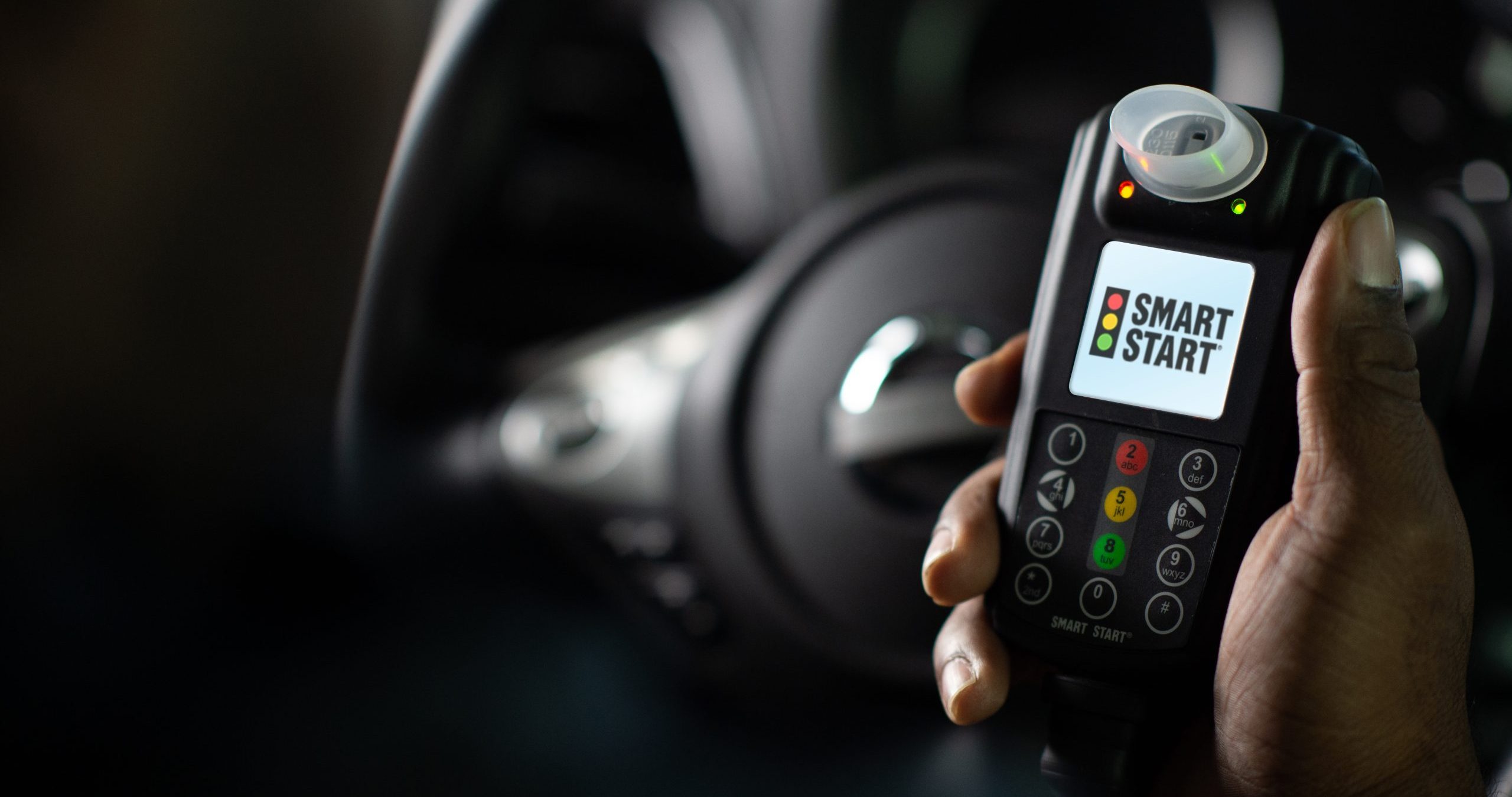
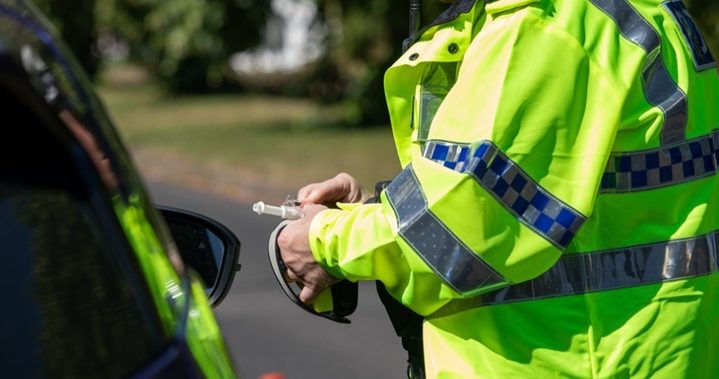
Merseyside Police has become the first force in the country to use evidential roadside alcohol-testing technology, aiming to catch and deter drink-drivers returning from holiday.
The equipment has been introduced as part of Operation Take Off, a targeted campaign against post-holiday drink-driving. The operation follows the deaths of eight-month-old Zackary Blades and his aunt, Karlene Warner, who were killed in May 2024 by a driver leaving Newcastle Airport who was found to be nearly three times over the legal alcohol limit.
Evidential roadside testing means officers can now charge motorists for drink-driving offences on the spot. Under the previous system, an initial roadside screening had to be followed by a formal evidential sample taken in custody, a process that could take several hours to complete.
The technology was first used on a well-known route leaving Liverpool John Lennon Airport, where officers focused on drivers who may have drunk alcohol either before boarding or during their flight home.
Inspector Gavin Dixon, of Merseyside Roads Policing, explained why the change matters: “It might not sound like a major breakthrough, but being able to charge people at the roadside for drink-driving could make the difference between securing a prosecution and losing one.
“If someone blows over the limit in a roadside breath test, we have traditionally needed to take them into custody and obtain an evidential sample before any charge can be brought. During that time, their body continues to process the alcohol.
“That means we can sometimes find ourselves in the frustrating position where a driver who was clearly over the limit at the roadside is no longer providing a sample high enough to meet the evidential threshold by the time they reach custody. Evidential roadside testing removes that risk entirely.
“Merseyside Police has a strong history of being an early adopter of technology that helps prevent serious and fatal collisions. While this technology is available to forces across the country, we are proud to be the first to deploy it operationally.
“It is particularly meaningful to take this step as part of Operation Take Off. The tragic circumstances surrounding the deaths of Zackary and Karlene demonstrate exactly why this proactive approach is needed. Every improvement we can make in detecting and prosecuting those who drive under the influence is vital.
“If someone has been drinking before boarding their flight home, or while travelling, and believes that somehow they can get behind the wheel without consequence, they should think again. We now have the ability to remove them from the road immediately and begin the process of bringing them to justice.”
Alongside the roadside breath-testing rollout, Merseyside Police is also trialling a nitrous oxide detection device, testing whether breath sampling could prove more effective than blood testing when identifying drivers suspected of using the substance.
The force says the new capability closes a long-standing loophole in drink-drive enforcement, where the natural breakdown of alcohol in the body over time could weaken the evidence needed for a successful prosecution. By allowing charges to be brought immediately at the roadside, officers hope to secure more convictions and get impaired drivers off the road faster, reducing the risk to other road users.
Operation Take Off is expected to continue targeting routes near Merseyside’s airports during peak holiday return periods, with officers focusing resources on times and locations where post-flight drink-driving is most likely to occur. The force has indicated that the evidential roadside technology could be expanded to other operations beyond the airport routes if the initial rollout proves successful.