
Drug driving offences overtake drink driving for the first time
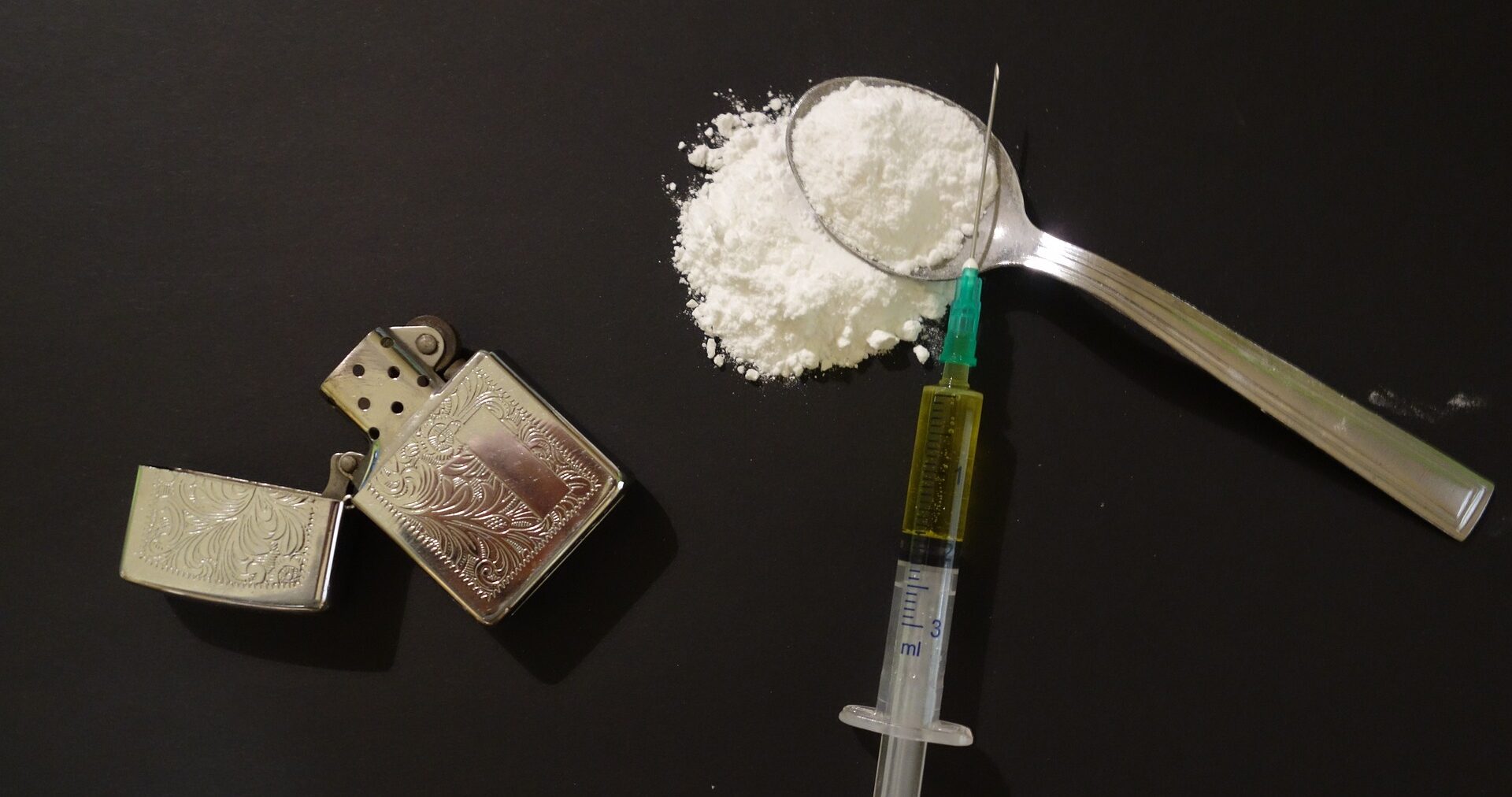
Drug driving offences have overtaken drink driving offences for the first time, according to new analysis by road safety charity IAM RoadSmart, prompting renewed calls for tougher enforcement and a national rehabilitation programme.
Analysis of DVLA data by the charity reveals that 30,707 motorists received a drug driving (DG10) endorsement on their driving licence in 2025, a 28% increase from 23,981 in 2022. In contrast, drink driving (DR10) endorsements fell by 17% over the same period, dropping from 35,976 to 29,769.
The figures suggest drug driving is becoming an increasingly serious road safety issue, particularly among younger motorists. Drivers aged 17 to 24 accounted for 18% of all drug driving licence endorsements in 2025, despite representing only around 6% of UK licence holders. Among the youngest drivers, aged 17 to 19, more than 1,100 drug driving endorsements were recorded, compared with just 464 for all drivers aged 60 and over.
The findings support growing concerns among police officers that drug driving has now surpassed drink driving in prevalence. Previous IAM RoadSmart research published in January 2025 found that around half of all roadside drug tests carried out by police returned a positive result, compared with just 16% of roadside drink drive tests. Separate Government data also shows that 44% of drug driving offences are committed by repeat offenders.
Drug driving is also contributing to an increasing number of fatal collisions. Official figures show that impairment by drugs was a contributory factor in 149 road deaths in 2023, almost double the 78 fatalities recorded in 2015.
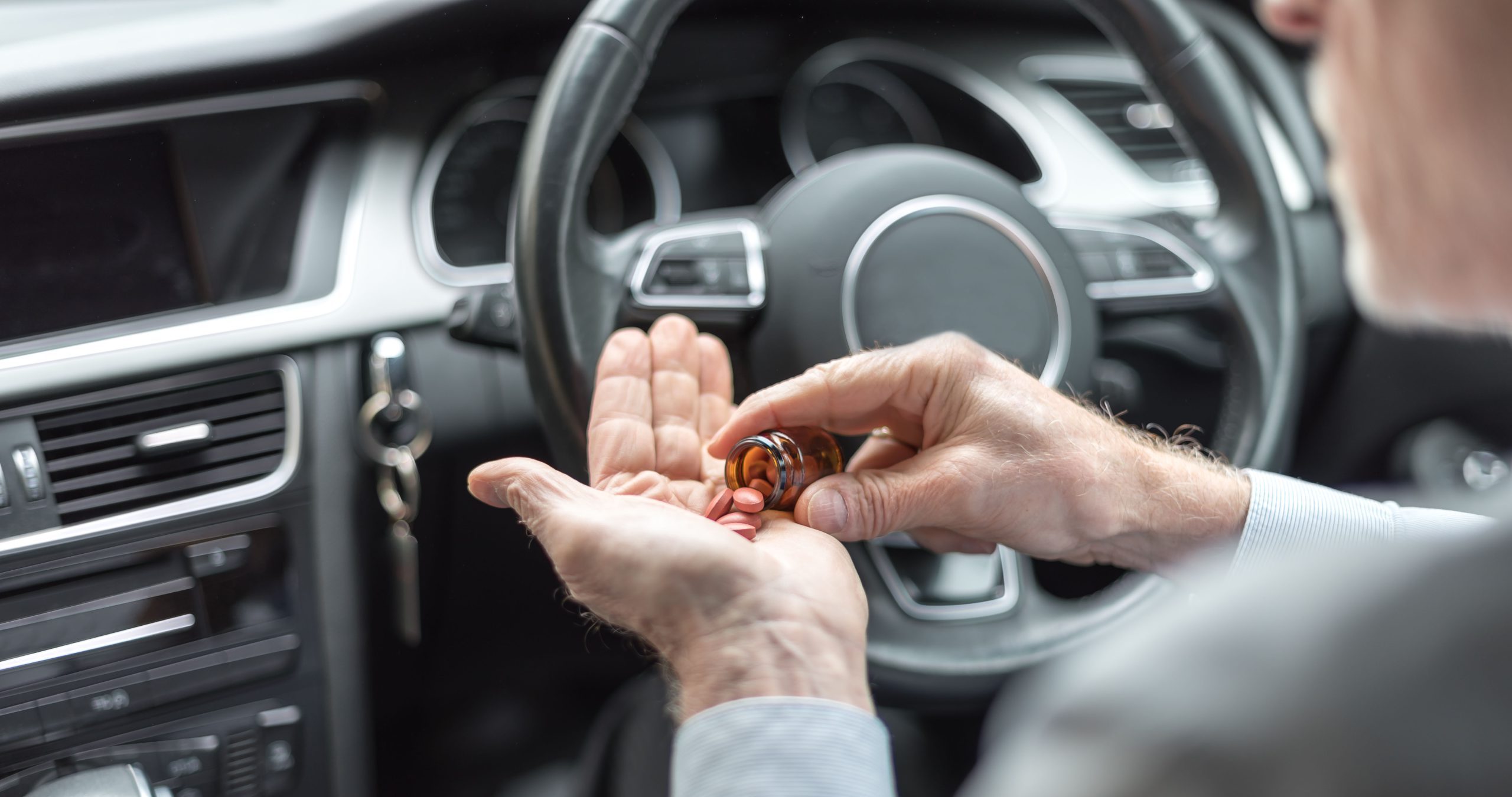
Under UK law, it is illegal to drive while impaired by either legal or illegal drugs. It is also an offence to exceed specified legal limits for certain controlled drugs, even if driving does not appear to be affected. Drivers taking prescription medication can also be prosecuted if the medication impairs their ability to drive safely. Convicted offenders face a minimum 12-month driving ban, an unlimited fine, up to six months’ imprisonment and a criminal record, while drug driving endorsements remain on a licence for 11 years. The maximum penalty for causing death by careless driving while under the influence of drugs is life imprisonment.
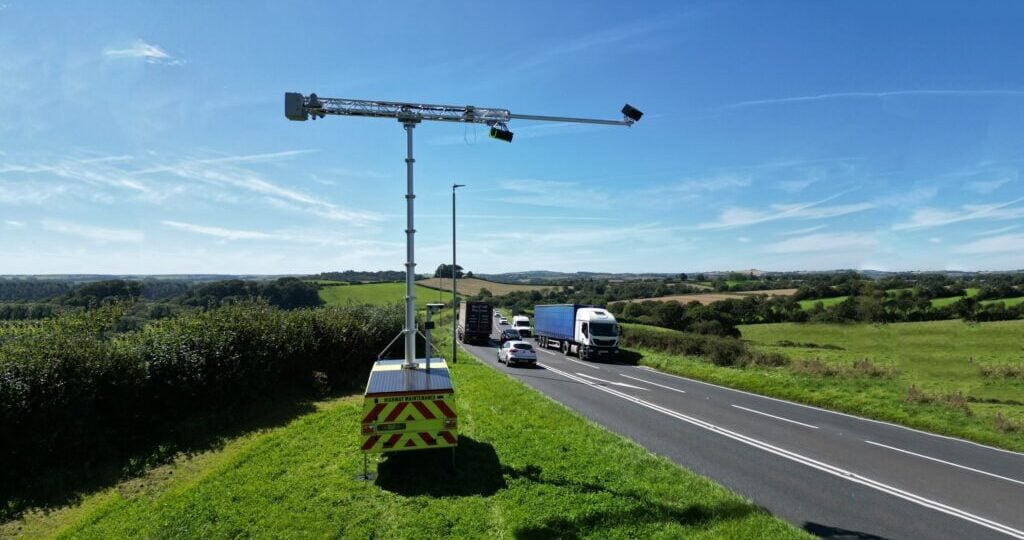
Police forces now have access to roadside drug screening technology capable of detecting cannabis and cocaine through saliva swab tests. Drivers who test positive must then provide a blood sample for laboratory analysis. However, lengthy testing delays can mean suspects remain legally able to drive for several months while awaiting the results. In May 2026, Hampshire and Isle of Wight Police and Thames Valley Police also began trialling the world’s first nitrous oxide (“laughing gas”) breathalyser in an effort to tackle a wider range of drug driving offences.
IAM RoadSmart is now calling on the Government to introduce stronger measures to address the growing problem, including roadside licence suspensions for drivers who fail drug tests and the introduction of a national drug driving rehabilitation programme similar to those already available for convicted drink drivers.
IAM RoadSmart Director of Policy and External Communications, Nicholas Lyes said: “It’s becoming clear that the UK is mired in a drug driving epidemic, to the point where it may now be more of a threat on our streets than drink driving. These figures demonstrate the need for radical action to support police forces and reduce harm to all other road users.
“The UK Government’s road safety strategy clearly outlines the intention to tackle drug driving, but we need to start seeing action soon before more lives are needlessly lost.
“Educating people about the misconceptions of the impacts that drugs have on a person’s ability to drive is a start, but police should be given powers to suspend licences at the roadside for failing a drug swab test. In addition, it’s vital that we establish a national drug drive rehabilitation programme. Research has consistently shown similar courses can prevent drink drive reoffending and there’s every reason to believe a similar approach would reduce drug driving, change behaviour, and benefit road safety.
“Drug driving ruins lives and unless we start approaching the issue with the seriousness that it merits, we risk allowing a public safety crisis to worsen.”