
How warehouse infrastructure affects vehicle scheduling and cost
Warehouse infrastructure, such as dock levelers, affects how efficiently vehicles arrive, load and leave a site. Identifying common bottlenecks helps you understand which improvements can make warehouse operations more efficient.
Evelyn Long is the founder and editor-in-chief of Renovated, looks at the complexities and considerations when designing an efficient warehouse and yard design.
Limited Loading Bay Capacity Creates Bottlenecks
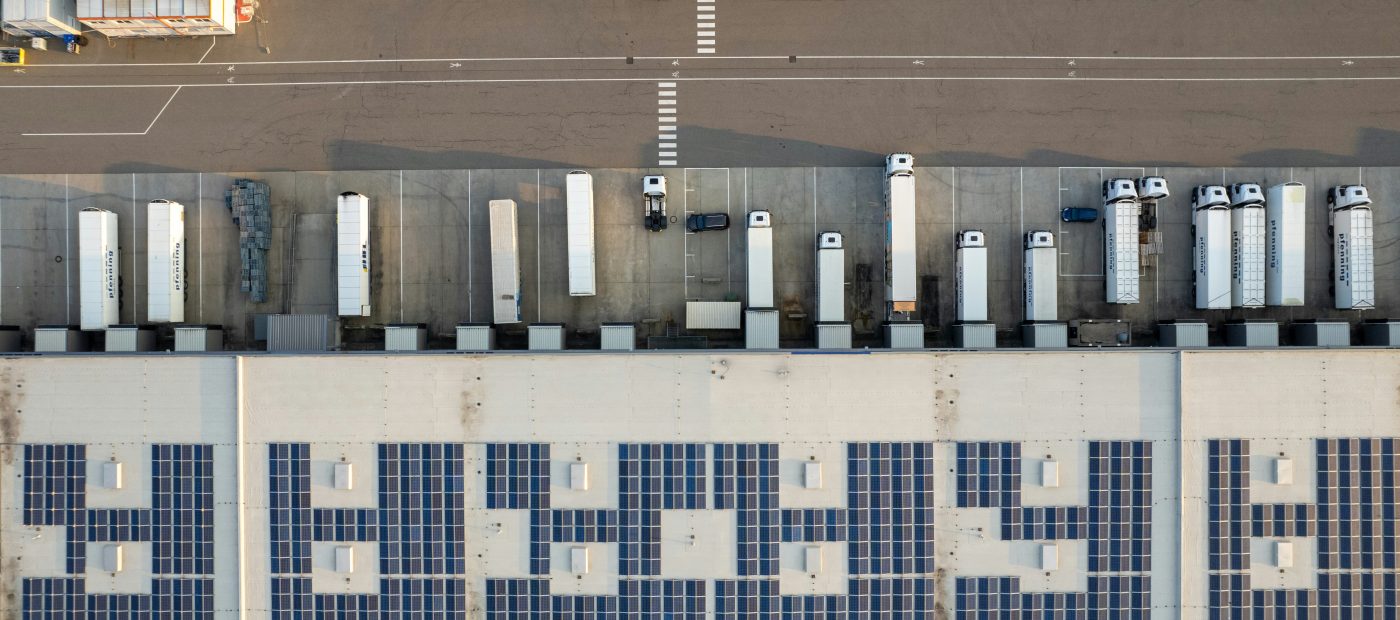
When your warehouse has too few loading bays or allocates them poorly, vehicles can queue even when drivers arrive on time. Mismatches between arrival schedules and warehouse staffing can worsen these delays, leaving drivers waiting for hours and delaying subsequent deliveries. Waiting times that once lasted 10-20 minutes now reportedly stretch several hours in some cases.
Unreliable Dock Equipment Interrupts Vehicle Turnaround
Faulty dock levelers, vehicle restraints and loading dock door malfunctions can temporarily take a loading bay out of service and disrupt several scheduled movements. Damaged or ageing equipment can also create operational hazards. Workplace transport incidents exceed 5,000 annually in the UK, with around 50 fatalities, which is why maintaining safe vehicle areas is essential.
Poor Yard Design and Site Access Cause Delays
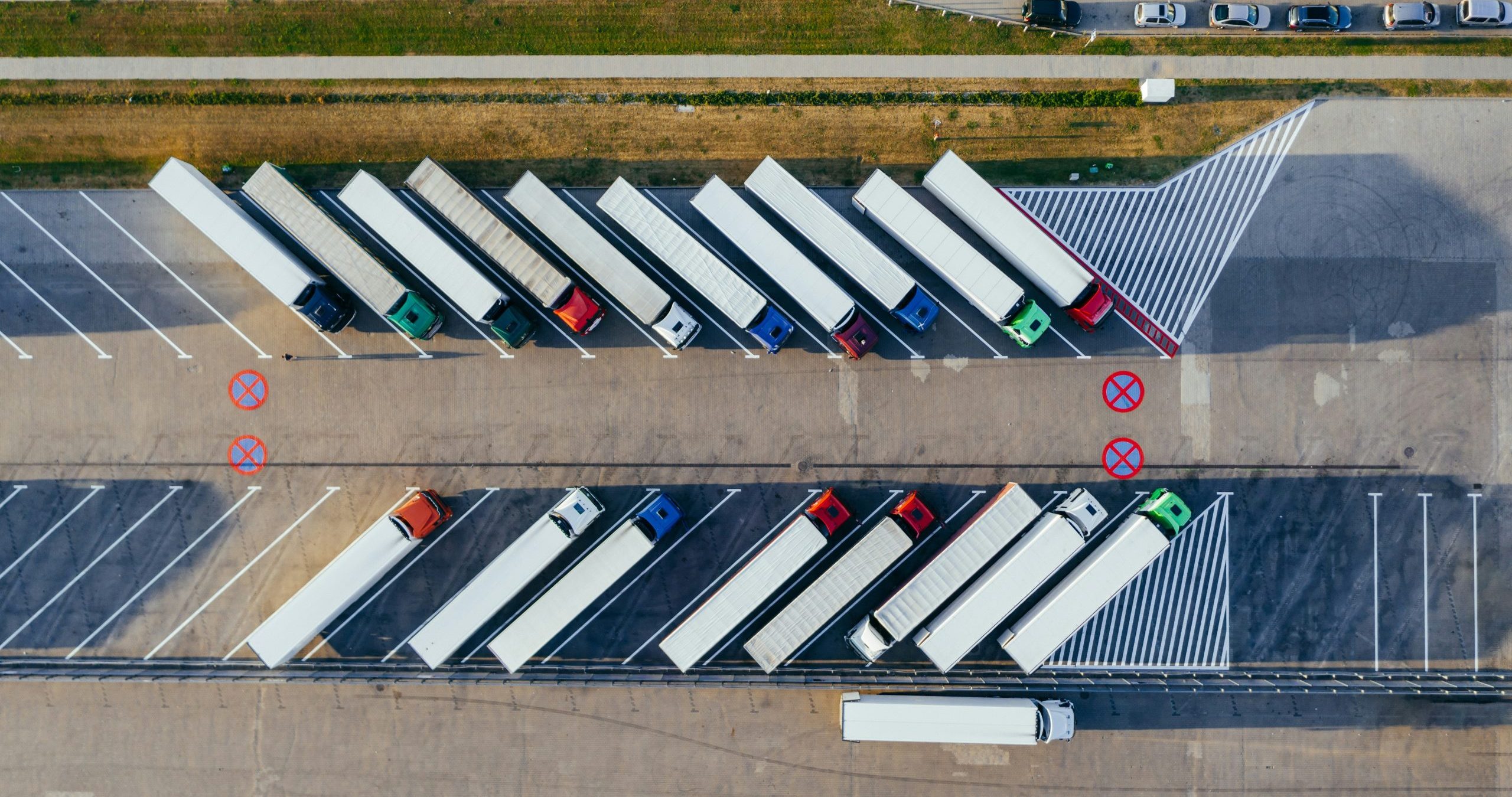
Tight turning areas, narrow access roads and insufficient staging space can bottleneck vehicles before they reach a loading bay. Drivers may need to perform extra manoeuvres, while incoming and outgoing traffic compete for space. Congestion can leave vehicles idling, increase fuel consumption and use up drivers’ available hours.
Inefficient Storage Increases Loading and Unloading Time
Warehouse efficiency is closely linked to inventory management, material flow, loading, unloading, sorting and dispatch. Inefficiencies across these activities, therefore, can extend turnaround times, increase labour costs and leave vehicles waiting longer than planned.
HVAC Failures Disrupt Freight
A malfunctioning warehouse HVAC system can put temperature-sensitive goods at risk and interrupt vehicle schedules. Staff must inspect stock exposed to unsuitable temperatures, which can delay loading and cause outbound vehicles to miss departure windows.
5 Ways to Improve Warehouse Infrastructure for More Efficient Vehicle Scheduling
The most useful improvements address the bottlenecks that cause the greatest disruption at your facility.
1. Automate Loading Bay Capacity According to Vehicle Demand
Review arrival patterns, loading times and bay utilisation before expanding. Appointment scheduling and appropriate staffing can help spread demand across the day.
Useful checks include:
- Compare peak arrival times with available loading bays.
- Track average waiting and loading times.
- Match staff and equipment availability to booked appointments.
- Consider dock scheduling software to coordinate carrier bookings.
According to Joloda Hydraroll, which has specialized in loading systems since 1962, scheduling software and vehicle tracking allow carriers to book specific warehouse bays, helping staff streamline unloading. The company notes, “You can then commit the necessary employee hours to address incoming goods or outgoing ones efficiently, enabling you to cut costs, a pressure under which logistics operators find themselves more and more. The system can also consider equipment, trailer types and more.”
2. Maintain and Repair Dock Equipment
Regular dock maintenance helps prevent equipment failures that disable loading bays and disrupt vehicle schedules. Dock levelers are vital because they bridge the height and distance between the warehouse floor and a trailer, allowing forklifts and pallet jacks to move cargo safely and efficiently.
Eastern Lift Truck Co., a provider of dock leveler repairs in Piscataway, New Jersey with 50 years of expertise supporting commercial warehouse operations and material handling fleets explains, “If your leveler is slow to extend or not extending at all, you are limiting productivity, aggravating drivers and dock workers and creating a situation that may lead to injuries.”
Dock bumpers and seals require regular attention, as wear and damage can affect both equipment protection and loading conditions. Eastern Lift Truck Co. advises facilities to “service your dock and door equipment on a regular basis.” Doing so maintains dock and door equipment in good condition and supports safe movement of workers and products.
3. Improve Yard Design and Vehicle Traffic Flow
Review the site from a driver’s perspective. Check whether vehicles can turn comfortably, reach staging areas and enter or exit without crossing conflicting traffic flows. Mark clear lanes for different vehicle types and pedestrian traffic. EAIGLE, a logistics technology company with gate-and-yard automation platforms deployed at distribution centers across North America explains, “By designating specific lanes for different vehicle types, [such as] trucks, vans [and] personal vehicles, traffic flow can be streamlined, reducing the incidence of bottlenecks.”
Use a yard management system (YMS) platform to help coordinate truck movements, track trailer locations, manage gate access and assign loading bays. “A YMS helps improve gate access control by automating entry and exit processes, reducing the need for manual checks. Automated workflows help manage truck movements, schedule appointments and verify driver credentials,” EAIGLE notes.
According to the company, artificial intelligence and machine learning can further support tasks by analyzing real-time security camera data. Many YMS platforms now feature optical character recognition, which helps identify vehicle and asset details in seconds, speeding up verification and clearance.
4. Optimise Storage and Dispatch Staging
Arrange stock and dispatch areas to streamline warehouse-related travel. F. Curtis Barry & Company, a supply chain and distribution consultancy with experience completing hundreds of warehouse assessments, recommends placing frequently requested items near shipping areas to reduce travel time, saying, “A logical, well-thought-out layout can significantly improve efficiency and productivity.”
Reviewing stock movement and dispatch records can help you identify which changes are likely to save the most time. Small adjustments to stock placement can save time on walking and handling. That way, teams can prepare orders faster and reduce vehicle waiting.
Seasonal demand can affect storage needs. F. Curtis Barry & Company recommends adaptable storage arrangements, explaining, “Ensure your warehouse layout can easily be adjusted for seasonal changes in demand or product lines. Dynamic shelving and warehouse storage options can offer the flexibility needed to adapt to changing business needs quickly.”
5. Maintain HVAC Systems to Keep Operations on Schedule
Regular HVAC maintenance helps warehouses maintain suitable conditions for temperature-sensitive freight while managing energy costs. “Frequent door openings and busy loading docks can disrupt air balance and increase energy use, so airflow design must account for these areas,” says commercial HVAC equipment provider, HVAC Jack.
Take a look at system capacity, ventilation and dock-door use to maintain stable temperatures and avoid unnecessary energy consumption. Rose Morrison, the managing editor of Renovated, notes, “A general rule of thumb is that it takes 25 BTUs to cool one square foot of space.”
Keep Your Fleet on the Right Track
Warehouse efficiency depends on how well space, equipment, stock and scheduling work together. Small changes can help keep vehicles moving and schedules more reliable.