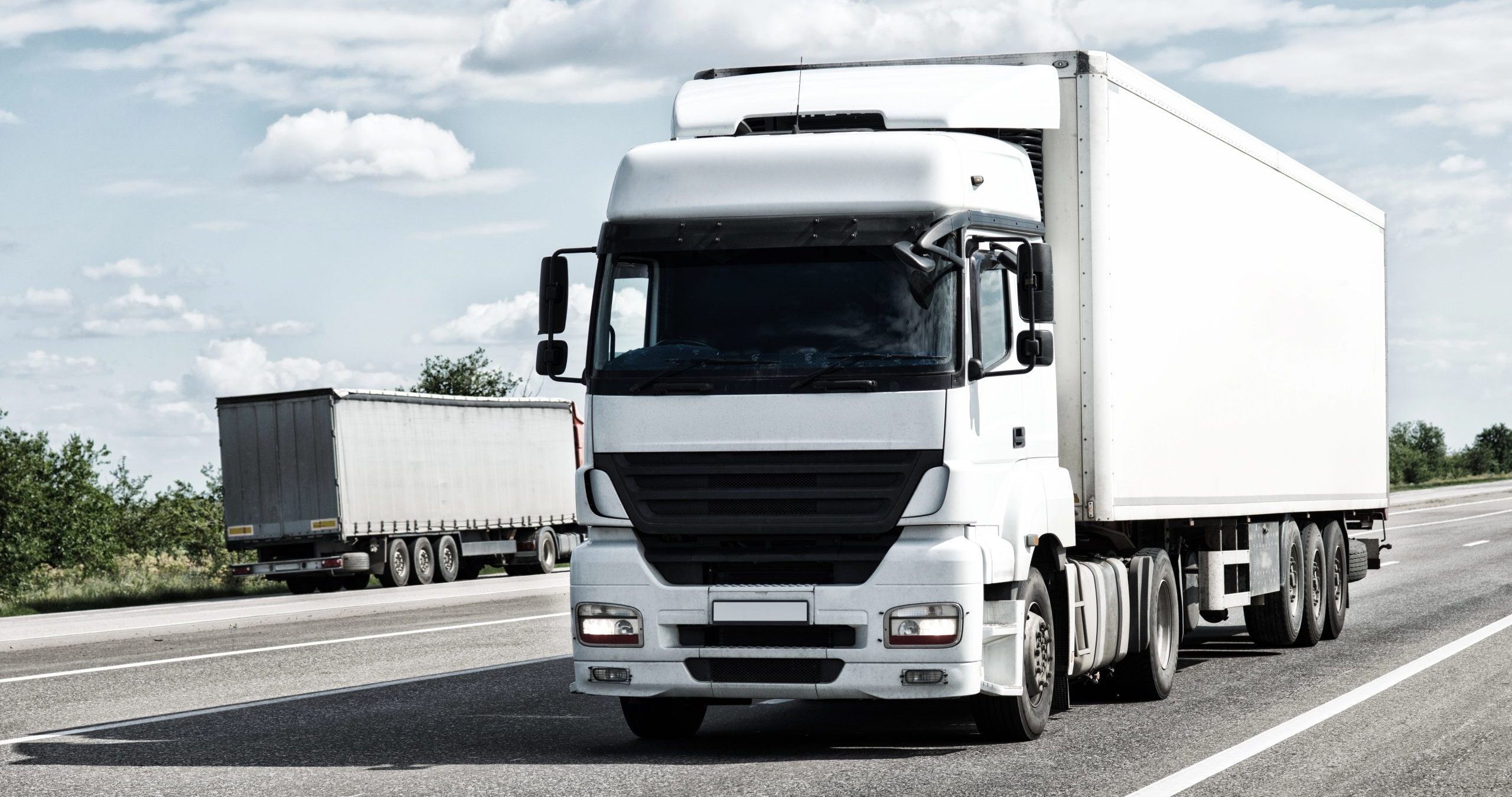


Electric HGV registrations in the UK grew by more than 170% in 2025, with 587 new vehicles registered – taking the cumulative total over 1,000 for the first time.
Against the UK’s licensed HGV fleet of over 700,000 vehicles, that remains a small proportion, but recent government announcements have underlined the expectation for this number to dramatically increase.
As the conversations around heavy vehicle electrification shift from trials to mainstream implementation, Natasha Fry, head of sales at Mer Fleet Services, talks about how fast – and intelligently – HGV operators can get on board.
The funding signals are clear
The plug-in truck grant has been extended and expanded – the Zero Emissions Truck Grant (ZETG) now offers up to £80,000 off the cost of the heaviest electric lorries, covering up to 40% of the cost.
And a £170 million boost to the Depot Charging Scheme means businesses and public authorities are now covered for up to 70% of their charging infrastructure costs.
Alongside these, an incoming HGV ZEV mandate will require manufacturers to sell a rising proportion of zero-emission trucks, with the UK government committing to ending the sale of all new non-zero emission HGVs by 2040 (and 2035 for lower weight limits).
It’s a clear long-term signal on future vehicle availability and pricing.
The current reality – and what’s likely to change
Talking to fleet operators across a range of sectors, the picture on the ground is (unsurprisingly) more nuanced than the funding headlines suggest. Progress is genuine, but it is not uniform.
Some operations, such as urban distribution, or predictable regional routes, and return-to-depot cycles, are well-suited to electrification today. The technology works and the charging infrastructure is buildable.
But others, including longer-haul, multi-drop operations remain genuinely challenging to electrify, as do those in areas with limited grid capacity. Megawatt charging systems for long-distance HGVs are increasingly available, but the infrastructure to support them is still developing.
In our experience, fleet operators with heavy vehicles tend to fall into one of two camps: those who see that electrification doesn’t currently work for a full fleet transition and make the decision to pause until it does; and those who are committed to migrating on a fixed timetable.
Both approaches carry significant risk. An all-in rollout made without the right infrastructure, vehicle mix analysis, and operational modelling is expensive to unwind. Equally, waiting for perfect conditions means missing funding, locking in higher fuel costs, and falling behind on regulatory readiness.
Start where the conditions are right
For the greatest success in heavy fleet electrification, as for the wider fleet, businesses should be prepared to take a phased approach.
You need to start with the vehicles and routes where electrification is already viable, build operational confidence and internal capability, and then phase your expansion as the infrastructure, vehicle range, and grid access develop.
It does mean doing some hard analytical work upfront: understanding which vehicles are doing what routes, which depots have (or can access) the grid capacity for heavy charging, and where the total cost of ownership makes sense.
It also means planning charging infrastructure as a long-term asset, up front, at the beginning of the project. Grid upgrades for HGV-scale charging can take 12 to 18 months and cost significantly more than the chargers themselves. That timeline needs to be built into any credible transition plan.
Done well, a phased approach reduces capital risk, builds the internal knowledge base before it is needed at scale, and positions operators to absorb each wave of vehicle and infrastructure improvement as it arrives.
The business case beyond regulation
The argument for electrification goes beyond compliance – and even beyond sustainability commitments – to focus on clear commercial factors.
In short, diesel prices are volatile. There is always a myriad of reasons why, from supply disruption, refinery capacity to geopolitical pressure, but there is consistent proof and a pattern of unpredictability. For high-mileage, fuel-intensive operations, that volatility is a continual risk to the bottom line.
Electrification does not eliminate operating costs. But it shifts a significant portion of them away from a commodity market that operators can’t control and towards an energy source that can be contracted, managed, and increasingly predicted.
For fleets running millions of miles a year, that shift in the cost structure can deliver massive long-term gain.
Long-term projects need long-term partnerships
It sounds obvious to say that businesses should work with true fleet charging specialists on heavy vehicle electrification. But the reality is that there’s a huge divide between the companies that say they do, and those who really understand what makes HGV and LCV electrification different.
The company you’re working with must be able to provide support from feasibility all the way through to infrastructure design, grid capacity assessment, site development, and ongoing management.
But they also need to be able to have difficult conversations with you: when a site isn’t ready, when a phased approach makes more sense than a full transition, and when the funding available is genuinely worth pursuing – and how to structure a project to access it.
Fundamentally, you need a fleet charging specialist who understands that the conversation about HGV electrification is not actually about chargers. It is about operations, it’s about energy management and optimisation, it’s about risk, about capital planning, and about building an electrification transition that holds up under the pressures of a real business.
For more information about Mer for HGV and other fleet charging, visit https://uk.mer.eco/ev-charging-hgvs-and-lcvs/