
MPs calling for an urgent ZEV Mandate review
MPs have warned that Britain’s automotive sector faces an existential threat unless the Government brings forward an urgent review of the Zero Emission Vehicle (ZEV) mandate, with outdated targets and looming EU trade barriers combining to place the industry in severe danger.
Members of the cross-party Business and Trade Committee (BTC) have written an open letter to the Department for Business and Trade and the Department for Transport calling for the review to be concluded before the end of 2026. The letter warns that the current combination of unachievable ZEV mandate thresholds and the threat of new trade barriers with the European Union poses a “potentially fatal risk” to UK automotive manufacturing.

Introduced and passed into law in January 2024, the ZEV mandate is a legally binding policy requiring car and van manufacturers to sell a rising minimum percentage of zero-emission vehicles, predominantly fully electric models, each year. The targets increase incrementally: for cars, the required share rises to 33% in 2026, 80% by 2030, and 100% by 2035, after which every new vehicle sold must be entirely zero-emission.
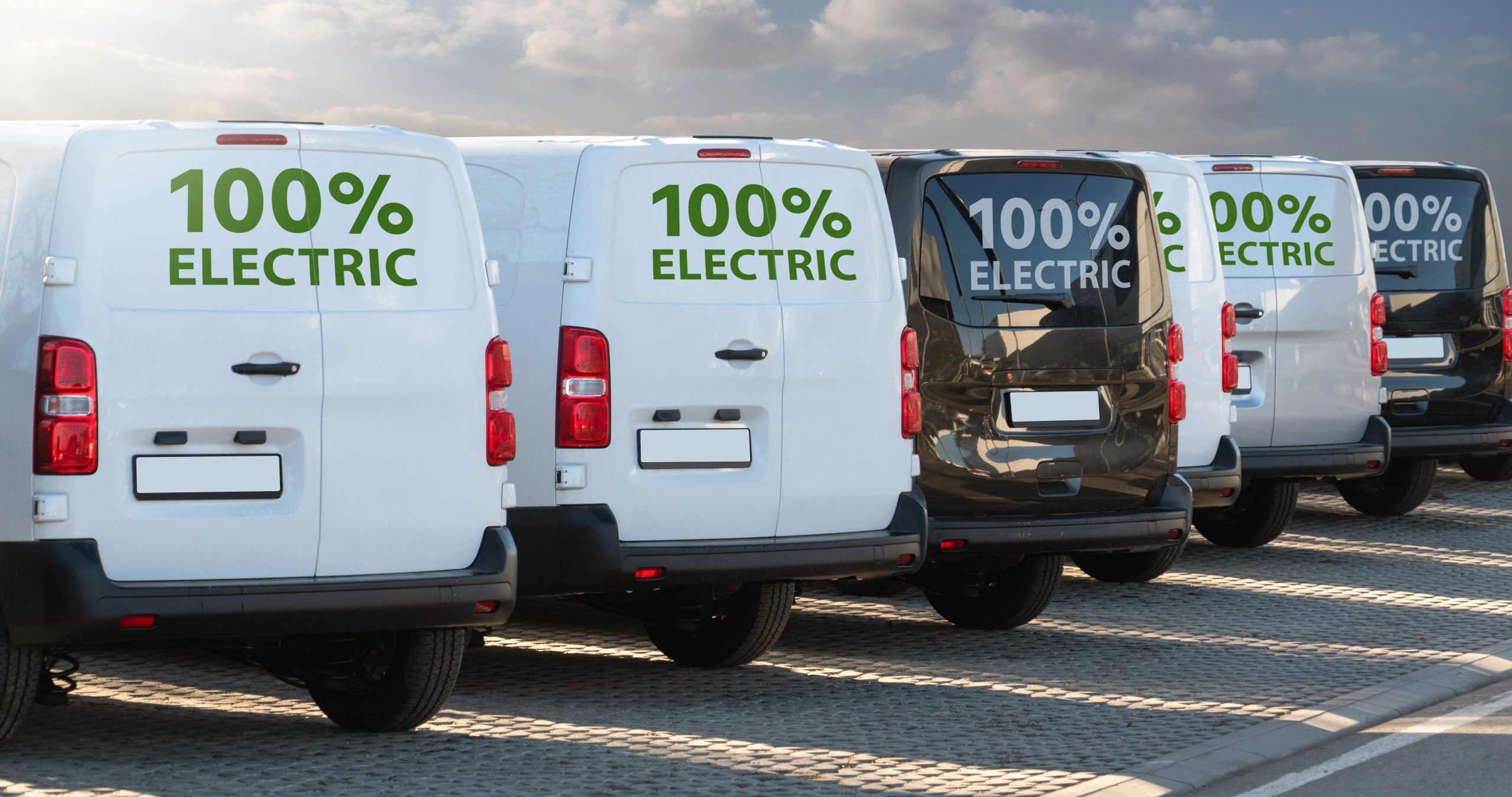
It is the van targets, however, that have drawn particular concern from industry and parliamentarians alike. Vans must reach 24% zero-emission sales in 2026, rising to 46% by 2028 and 70% by 2035. Yet the latest figures from the Society of Motor Manufacturers and Traders (SMMT) reveal that fully electric vans accounted for just 11.1% of registrations in April and only 9.4% for the year to date, less than half the 2026 target.
The BTC’s concerns go beyond headline registration figures. Committee chair Liam Byrne MP argued that the financial burden being placed on domestic manufacturers is rapidly becoming untenable. “Britain’s vehicle makers are being asked to carry a burden that is becoming impossible to sustain,” he said. “Manufacturers are now spending billions discounting electric vehicles to stimulate demand, while British-based firms are effectively paying overseas competitors for compliance credits, including companies benefiting from major state subsidy abroad.”
The compliance credit system, which allows manufacturers missing their ZEV targets to purchase credits from those who exceed them, means that UK-based producers are, in effect, subsidising foreign rivals who benefit from state support unavailable to British firms. This structural disadvantage, combined with sluggish consumer demand for electric vans in particular, is placing disproportionate strain on domestic manufacturing operations.
The BTC is not calling for the abandonment of ZEV targets or the broader transition to electric vehicles. Rather, the committee argues that the current thresholds are disconnected from commercial and market realities, and that without adjustment they risk doing lasting damage to the very industry that will ultimately deliver decarbonisation.
Byrne was emphatic that the goal of electrification remains vital: “The transition to electric vehicles is essential. But transitions succeed when they are grounded in commercial reality and backed by a serious industrial strategy. That’s why we need a whole-market review that aligns decarbonisation with competitiveness, protects domestic production and ensures Britain remains a country that makes vehicles and not a nation that merely imports them.”
The committee’s call for the review to conclude before the year’s end reflects a growing sense of urgency. With 2026 van targets already looking unachievable based on current registration trends, manufacturers face potentially significant financial penalties unless the policy is recalibrated. At the same time, unresolved questions around post-Brexit trade arrangements with the EU risk adding further cost and complexity to an industry that depends on tightly integrated cross-border supply chains.
The Government has yet to confirm whether it will bring the review forward, but pressure from across the political spectrum, as well as from manufacturers, dealers, and trade bodies, is mounting rapidly.