
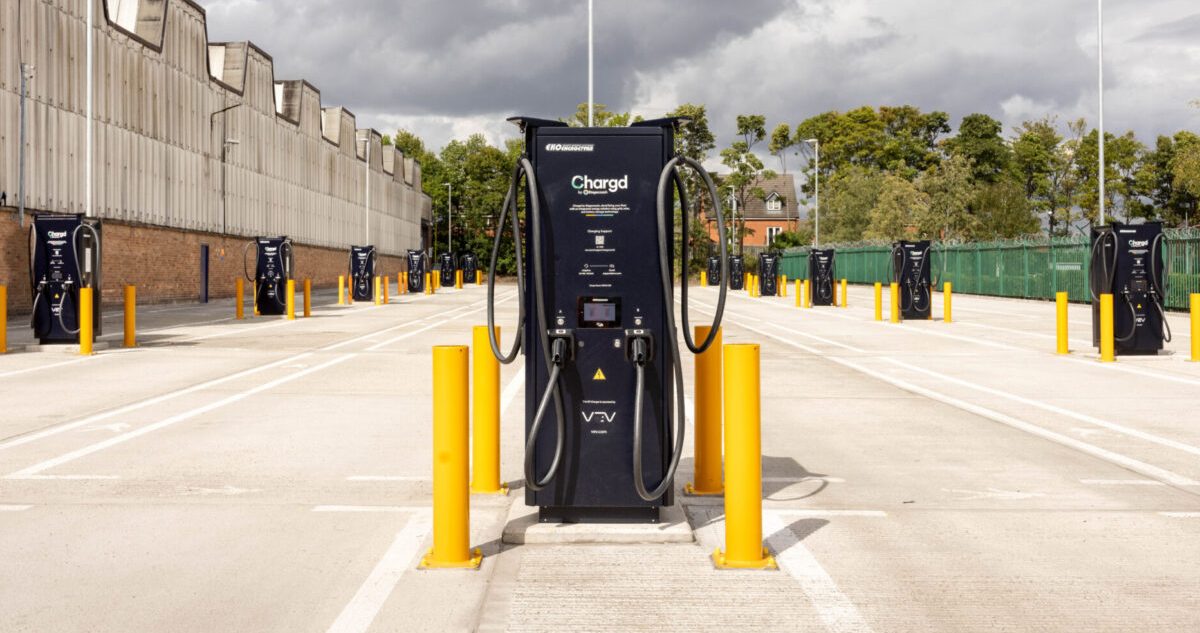
Stagecoach opens depot network to commercial EV fleets
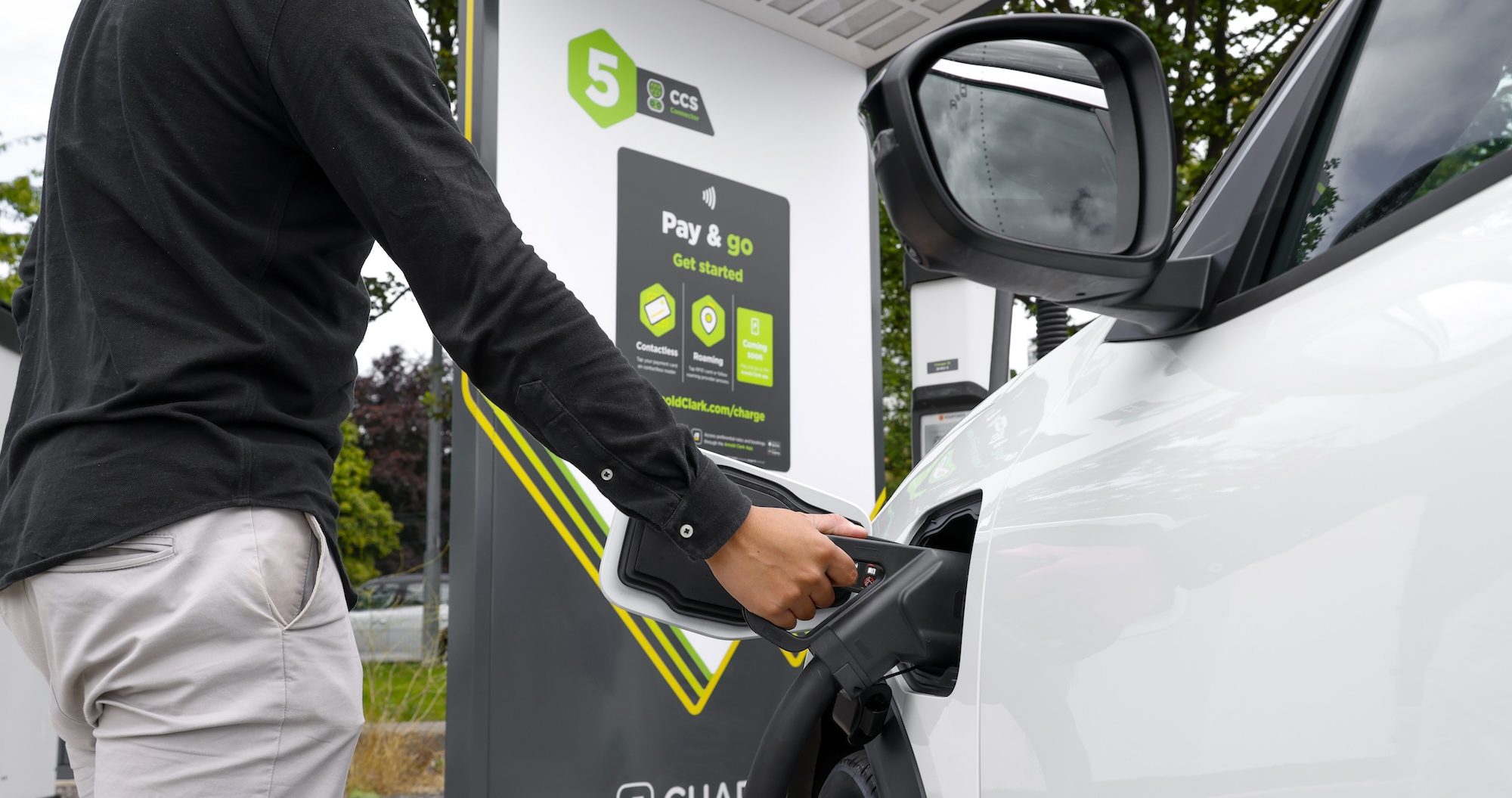
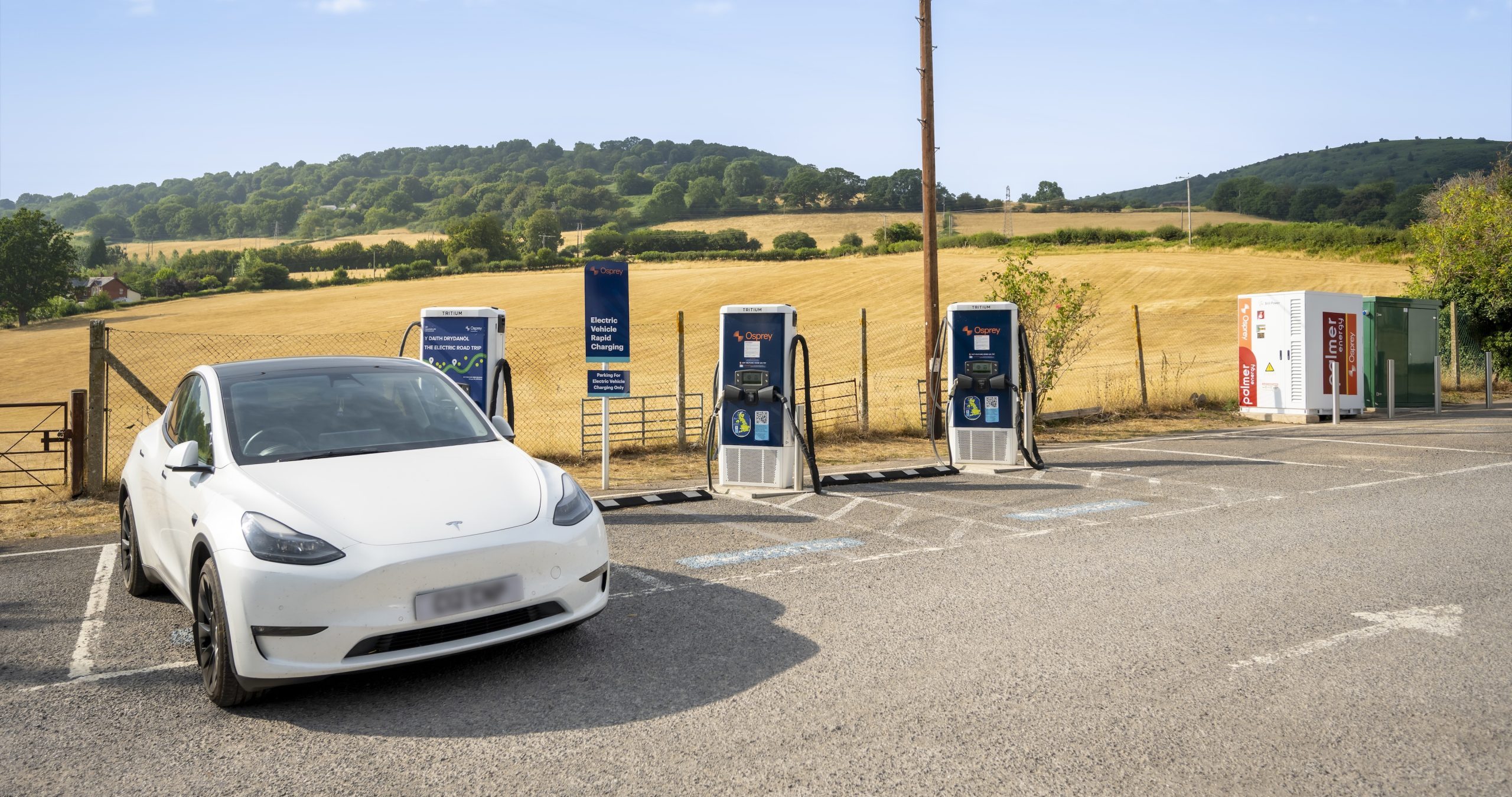
Stagecoach has announced a major expansion of its electric vehicle infrastructure strategy with the launch of Chargd, a new commercial EV charging proposition designed to support businesses transitioning to electric fleets.
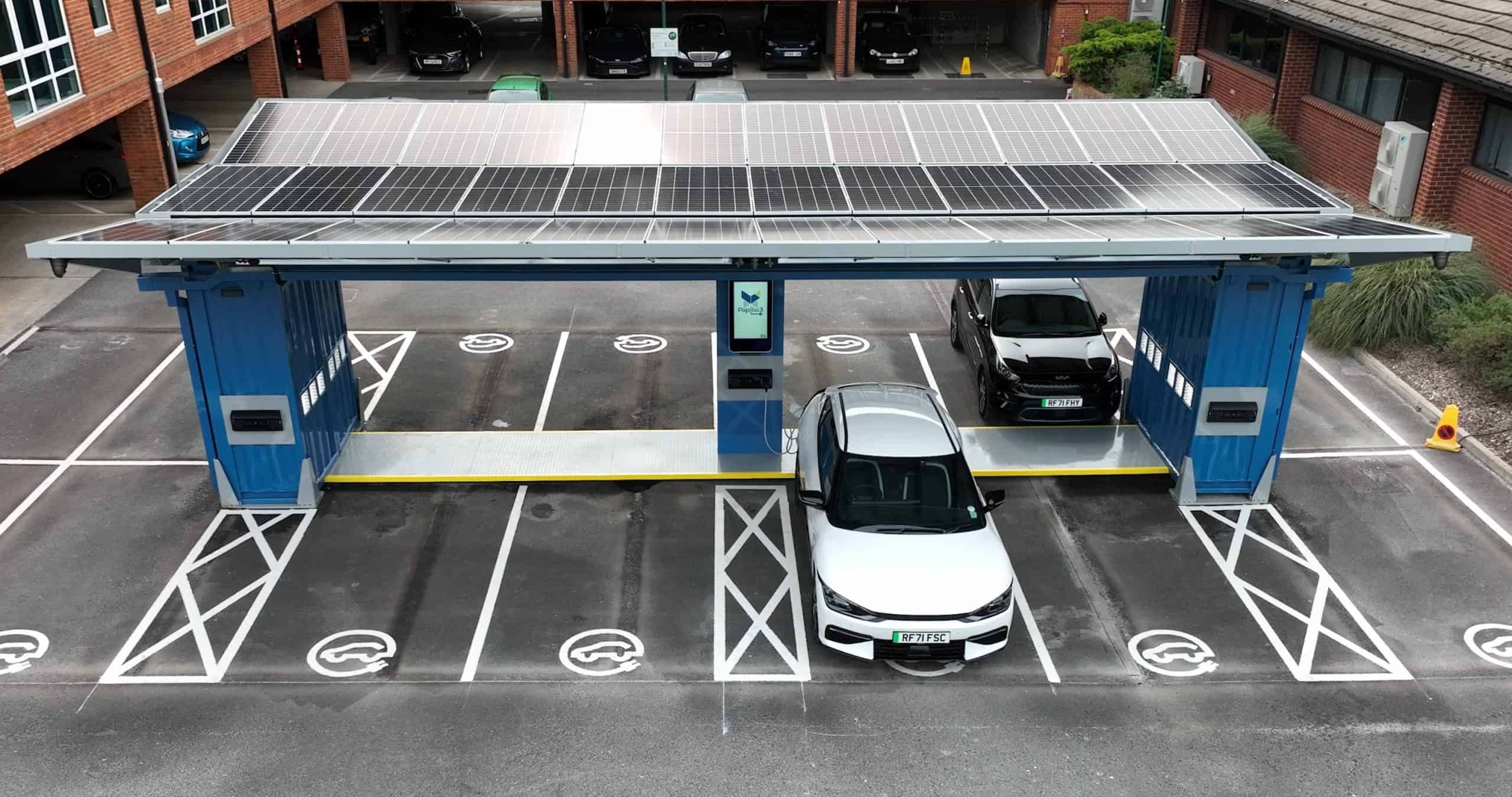
The initiative will see Stagecoach transform existing bus depots into shared commercial charging hubs, allowing third-party operators to access high-powered charging infrastructure during daytime hours when buses are out in service. The first Chargd sites are now operational at Stagecoach depots in Inverness, Oxford, Cambridge, Kilmarnock, London (Ash Grove), Stockton and Dover.
The move reflects growing demand for reliable fleet charging infrastructure across sectors including logistics, utilities, telecommunications and last-mile delivery. Stagecoach says additional locations across its network of more than 100 depots are planned throughout 2026 and beyond.
Stagecoach has invested more than £500m into EVs and charging infrastructure since 2021 as part of its wider decarbonisation strategy. The company is targeting a zero-tailpipe-emission bus fleet by 2035 and already sources 100% renewable electricity across its operations.
Debra Goodwin, chief people and customer officer at Stagecoach, said: “We’ve spent years electrifying our own fleet at scale, and we know that charging infrastructure is one of the biggest barriers facing businesses on that same decarbonisation journey.
“Chargd is about using that experience to go further, opening up our depots and providing practical, reliable charging that works for real-world fleet operations. This isn’t a future concept. It’s live, it’s scalable and it’s designed to help businesses make the switch to electric vehicles with confidence.
“At a time when organisations are under increasing pressure to reduce emissions while maintaining operational efficiency, Chargd provides certainty and reassurance.
“Whether it’s for last mile deliveries, utilities or telecoms servicing, or other businesses operating large fleets, Chargd offers robust access to reliable, large-scale charging infrastructure.”
One of the biggest barriers facing commercial fleet operators is the lack of depot charging capacity and grid connectivity. By repurposing existing transport depots, Stagecoach is positioning itself as a significant player in the UK’s growing commercial EV infrastructure market.
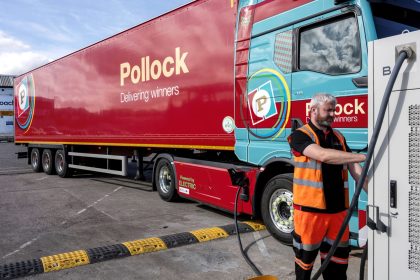
Chargd has been designed specifically for commercial vehicles, with large vehicle access, rapid charging capability and high-capacity power supplies. Some locations also support electric HGV charging, an area expected to see rapid growth as freight operators face increasing pressure to decarbonise.
The Stockton depot has already been used as a trial location for electric HGV charging in partnership with PD Ports and the Port of Middlesbrough. During testing, a Volvo electric HGV completed a two-hour 150kW DC charging session with consistent performance throughout.
Marvin Smith, head of solution sales at Stagecoach, said the initiative demonstrates that large-scale fleet charging can be both practical and scalable.
“Decarbonising transport is a national effort, and by successfully opening our first eHGV charging hub in Stockton and partnering with key logistics players like PD Ports, we are providing the reliable, high-performance infrastructure the industry needs,” he said.
Industry suppliers have also welcomed the development. Simon Cubitt, commercial director for bus and coach at VEV, said intelligent charging management would be critical as demand increases.
“Our VEV-IQ platform provided Stagecoach with the deep, actionable data needed to validate the performance and reliability of this new infrastructure,” he said. “This visibility into charging efficiency and asset utilisation is fundamental to helping operators like Stagecoach build highly efficient, profitable and dependable electric HGV charging networks.”
Stagecoach’s Chargd launch reflects a wider shift towards shared EV charging infrastructure in the commercial vehicle sector. As businesses seek to avoid the high capital costs associated with building private charging depots, shared charging models are becoming increasingly attractive.
Industry analysts believe transport operators with established depot networks are well placed to support the UK’s EV transition by opening underutilised charging capacity to third parties. The approach also maximises use of existing grid connections and renewable energy investments.
With commercial EV adoption accelerating and pressure mounting on businesses to cut emissions, Stagecoach’s depot strategy could become a blueprint for how transport infrastructure is shared more efficiently across the UK economy.