
Telematics creates value by making vehicles transparent: where they are, how they are used and driven. The more granular the data, the greater the potential for optimisation, from efficiency and cost control to new insurance models, shared mobility and risk management.
But transparency comes with a paradox.
Chris Horbowyj, UK Commercial Director at Targa Telematics, discusses the danger to privacy by the accumulation of this data and how fleet managers can manage this conflict.
The same data that enables insight is also deeply sensitive. Location data, in particular, can reveal habits, routines and, in many cases, identities. The boundary between operational visibility and personal intrusion is far thinner than most organisations expect. Rather than marginal or temporary, this tension sits at the very core of the connected mobility ecosystem.

New Data Centre for Targa Telematics
It becomes especially visible in complex environments such as corporate car sharing or multi-user fleets, where vehicles change drivers frequently and usage contexts shift continuously. Privacy is no longer an abstract regulatory concept, but an operational challenge. Systems should ensure accountability without becoming surveillance tools and unlock efficiency without eroding user confidence.
This is particularly relevant as fleet and video telematics become more widespread. Concerns around constant monitoring – including outside working hours – constitute one of the main barriers to adoption, further amplified by in-cab cameras that may capture personal interactions alongside driving behaviour. Poorly managed implementations, often due to lack of transparency or misaligned expectations, can rapidly undermine user acceptance and compromise the effectiveness of a telematics strategy.
Placing privacy at the heart of telematics
For this reason, mature telematics providers no longer treat privacy as a legal afterthought, but they increasingly address it as a design principle, embedding it from the earliest stages of each and every project. While necessary, compliance with GDPR is not sufficient. Privacy should be reflected in system architecture, access models, customer onboarding and day-to-day practices.
In other words, the most significant risks extend well beyond formal compliance. Even pseudonymised data can lead to re-identification through mobility patterns, particularly in small or predictable fleets. Purpose drift is also common, as operational data may gradually be repurposed for performance monitoring, creating legal exposure and undermining employee confidence. Data accumulation further increases risk when retention policies are not aligned with real use cases. At the same time, internal access often represents a greater threat than external attacks – a rising risk as telematics ecosystems expand through APIs, OEM integrations and third-party services.
The growing importance of cybersecurity
In this context, cybersecurity acquires a central role not only in protecting data, but in preserving operational reliability. As every connected vehicle is a digital endpoint, a cyber incident can have direct physical consequences. Far from theoretical scenarios, disrupted fleet operations, unauthorised tracking, manipulated events or masked incidents are tangible risks with a real business impact.
Cybersecurity is thus shifting from a purely IT concern to a matter of business continuity and safety. A platform that cannot guarantee availability, integrity and resilience ultimately undermines the value proposition of telematics itself.
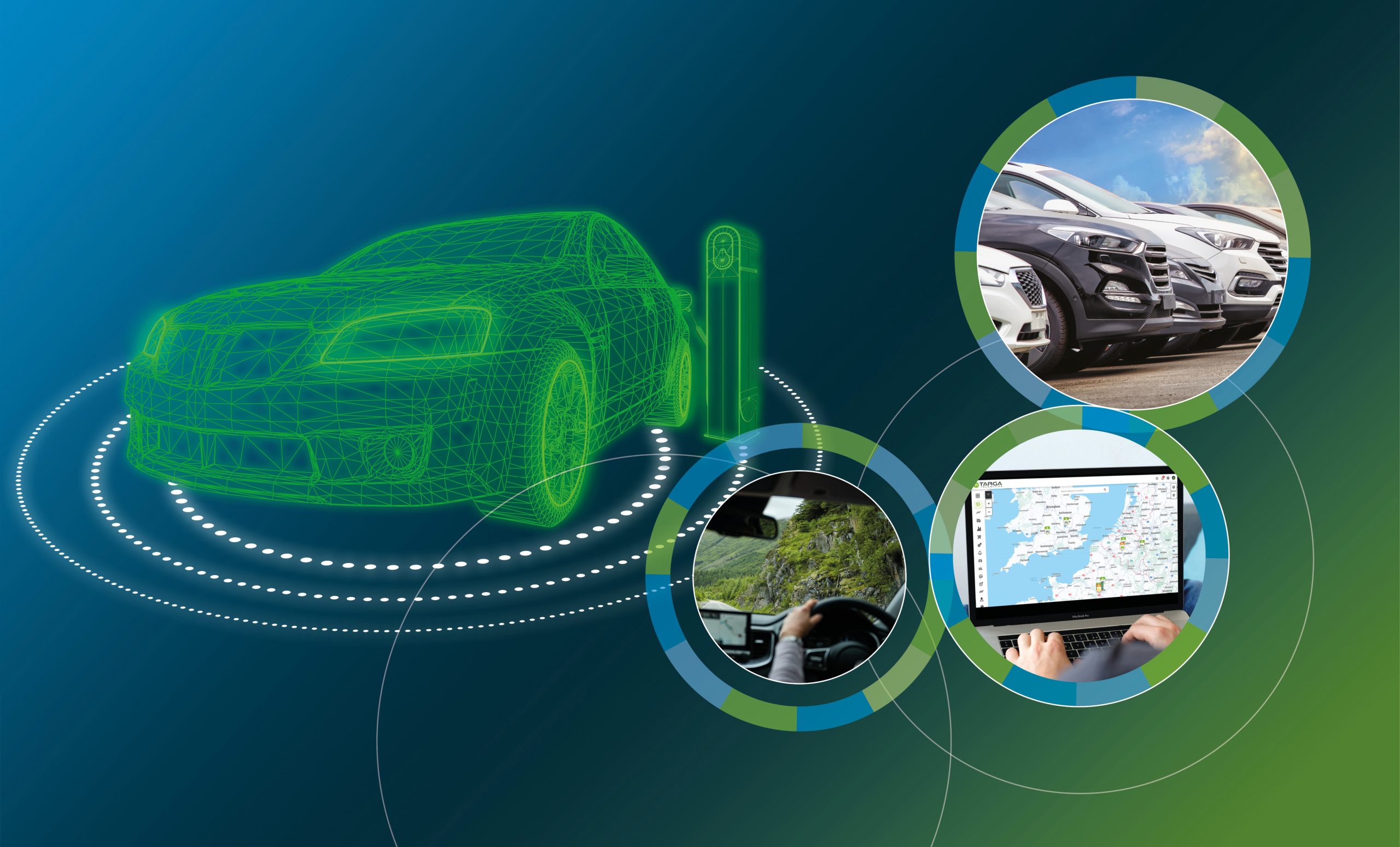
Image: Targa Telematics
At Targa Telematics, cybersecurity is regarded as a strategic asset rather than a technical layer. The company allocates a significant share of its IT investment – around 30% – to a programme aiming not only at protecting data, but at ensuring that services remain reliable under all conditions.
This approach combines certified infrastructures, redundant architectures across multiple sites, disaster recovery capabilities, advanced encryption and risk management. Regular testing, whether conducted internally or by specialised third parties, is not carried out for the sake of compliance, but to validate the real-world robustness of platforms and enhance resilience.
The benefits of a privacy-first approach to telematics
Companies that adopt a structured approach to privacy and data governance will gain remarkable business advantages, such as stronger credibility in tenders, smoother international scalability, and better positioning for partnerships with insurers, mobility providers and OEMs. At Targa Telematics, these capabilities have been instrumental in establishing collaborations with leading vehicle manufacturers, where strict requirements on data ownership, cybersecurity and regulatory compliance are now standard selection criteria.
User perception remains critical. Without acceptance from drivers and employees, even the most advanced systems would struggle to deliver value. When telematics is perceived as a tool for surveillance, resistance emerges, sometimes leading to misuse or even deliberate tampering. Successful organisations recognise that privacy relates to change management and communicate clearly why data is collected, how it is used and where its limits are. In shared mobility environments, transparency, supported by role-based access and privacy-enhancing features, is essential to promoting adoption.
Agentic AI and the future of telematics
Looking ahead, the challenge is evolving once again. As AI is exerting a greater impact on telematics, the focus is shifting from data collection to data interpretation, and towards autonomous decision-making. Predictive models can identify risks, detect anomalies, optimise fleet usage and anticipate events such as theft, maintenance needs or accidents. With the emergence of agentic AI, systems can go even further, initiating actions, orchestrating workflows and adapting dynamically to real-time conditions.
Besides raising new questions around explainability, bias and accountability, this evolution creates significant opportunities. Indeed, agentic AI enables more efficient use of data, reducing the need for collection by extracting greater value from existing datasets. Moreover, it can support privacy-enhancing approaches such as data minimisation, anonymisation and context-aware processing.
Systems that can act autonomously introduce a new level of responsibility, too. When decisions translate into actions, governance is critical. Human oversight, accountability and solid control mechanisms are crucial to ensuring alignment with business objectives and regulatory expectations.
The challenge is no longer just managing data, but governing intelligent systems that act on it. Trust remains an important element, supported by factors including robust architectures, secure systems, clear governance and the ability to demonstrate how data-driven decisions are made.
The future of telematics will be shaped by those organisations that can combine advanced analytics with well-organised data management, turning complexity into actionable, transparent insights.