

UK and European logistics is facing a growing driver retention problem, and the situation is worsening. According to data from the International Road Transport Union (IRU), there are currently 426,000 unfilled truck driver positions across Europe—more than double the number recorded just two years ago. If structural challenges remain unresolved, this figure could exceed 745,000 by 2028.
An ageing workforce is a major factor behind the shortfall. One in three European drivers is now over 55, while nearly 20% are expected to retire within the next few years. At the same time, younger drivers are entering the profession at a much slower rate, with those under 25 accounting for just 6.5% of the workforce. In countries such as Germany and Italy, that proportion drops to around 2%, underlining the scale of the recruitment challenge.
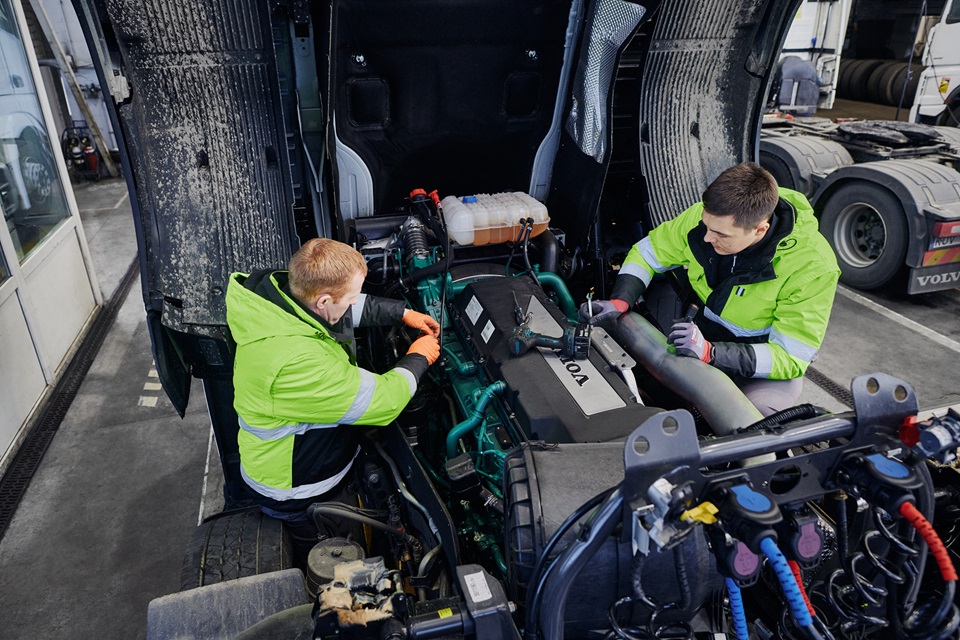
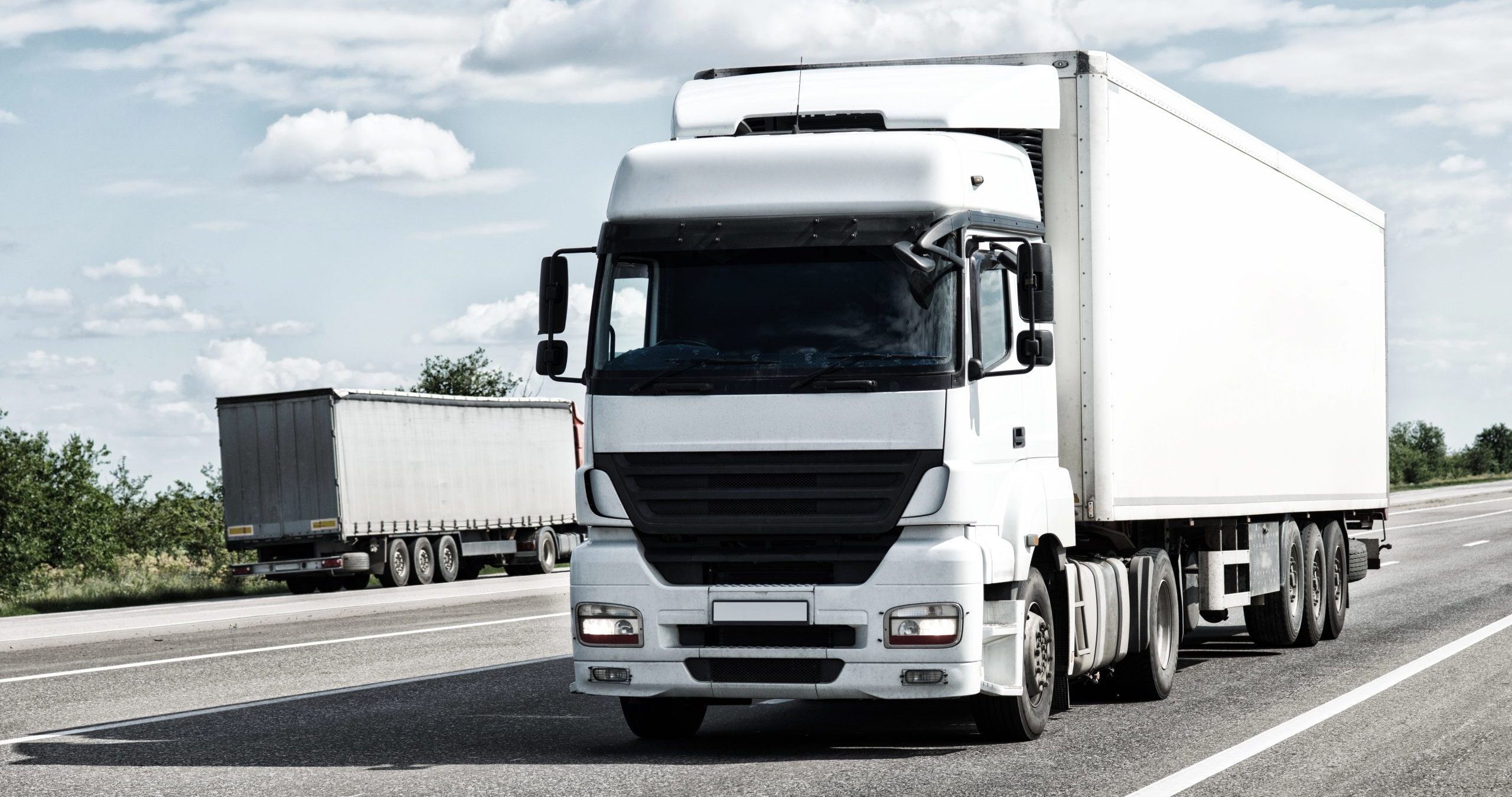
Image: Class Trucks
To combat the shortage, many operators have increased wages, with driver salaries across the EU rising by 4–5% annually. While this approach may support recruitment, it does little to address a critical issue that follows hiring: driver performance and operational efficiency.
One often overlooked cost in this environment is operational inconsistency, particularly within mixed fleets. Many logistics companies rotate drivers between different truck models, which can negatively impact efficiency and performance.
Žilvinas Perednis, Training Activity Development Manager at Girteka Training, explains: “A driver who has spent months in, say, a Volvo FH, gets to know its controls, digital interface, braking feel, and lane assist behavior like the back of his hand. Put that same driver in a MAN TGX for one run and then a Mercedes-Benz Actros for the next, and driving suddenly becomes much more demanding. The risk of small errors goes up, and so does fuel consumption – after all, eco-driving techniques are vehicle-specific.”
These inefficiencies may not always be immediately visible, but they accumulate over time. Differences in vehicle handling, systems and performance can lead to higher fuel consumption, increased minor incidents and reduced overall productivity across a fleet.
As a result, more operators are prioritising fleet consistency when making purchasing decisions. Algirdas Radauskas, Lithuanian Sales Department Manager at ClassTrucks, notes a clear shift in buyer behaviour: “What we see from buyers is that having a uniform fleet is increasingly becoming a purchasing criterion in its own right. A few years ago, a logistics company buying 10 trucks would take whatever was available at the right price. Now, more and more of them come to us specifically because they want the same model, same year, same specifications. Basically, they don’t want to absorb the cost of retraining every time a new vehicle enters the rotation.”
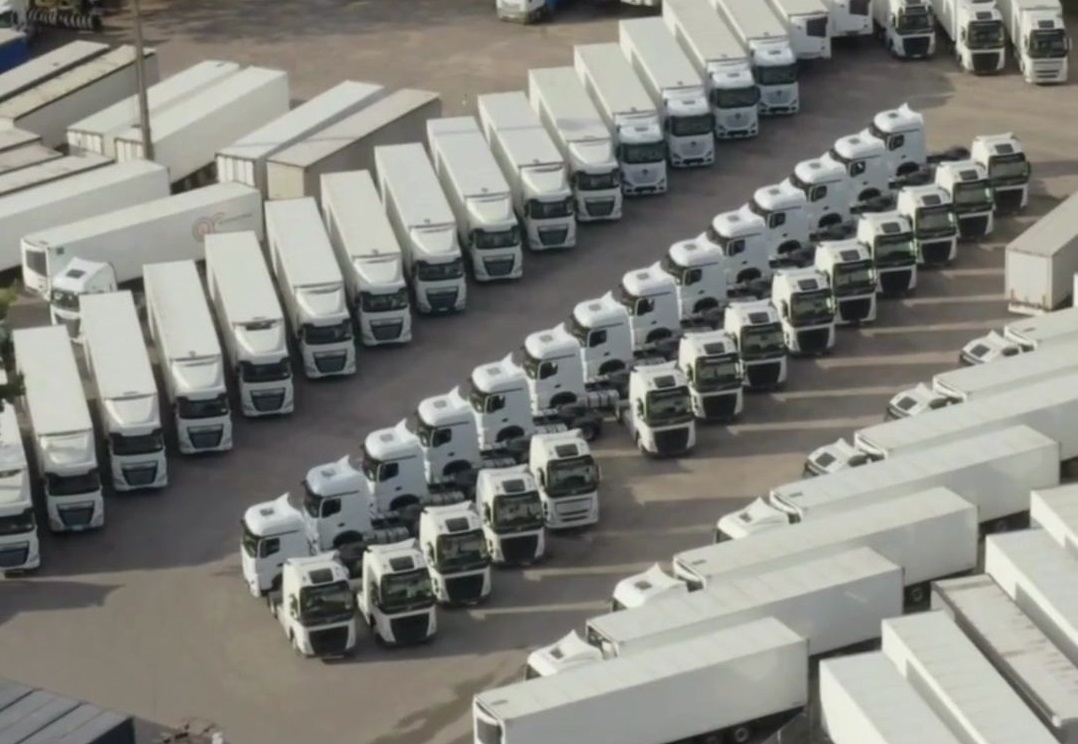
Image: Class Trucks
However, true standardisation goes beyond simply buying trucks from the same manufacturer. Variations in model year, software, driver assistance systems and maintenance history can all undermine consistency. Even two vehicles from the same product line may perform very differently if their specifications or service records are not aligned.
“Real standardization means vehicles of comparable age, similar mileage, matching specification, and verified service history. Without those factors, the operational benefits of running a single brand largely disappear – you get the appearance of a standardized fleet without actually having one,” adds Radauskas.
This also highlights the risks of sourcing vehicles from multiple suppliers, where inconsistencies in trim, condition and maintenance records are more likely. In contrast, buying in volume from a single, reliable source can help ensure greater uniformity across the fleet.
In today’s constrained labour market, fleet complexity is no longer just an operational inconvenience—it is a financial burden. With hundreds of thousands of driver vacancies and rising wage pressures, inefficiencies linked to inconsistent fleets can quietly erode margins through increased fuel use, reduced training effectiveness and avoidable driver friction.
Procurement decisions, therefore, are no longer solely about upfront cost. Fleet composition now has direct implications for workforce management, from onboarding and training to retention and performance. A consistent fleet makes it easier for drivers to adapt, improves benchmarking and can enhance job satisfaction through familiarity and predictability.
Importantly, achieving this level of consistency does not require investing in brand-new vehicles. Young-used trucks with matching specifications and documented service histories can deliver similar operational benefits at a significantly lower capital cost.
As the logistics sector continues to grapple with a deepening driver shortage, the focus is shifting. Beyond recruitment and pay, companies are increasingly recognising that fleet standardisation can play a crucial role in improving efficiency, reducing hidden costs and supporting long-term operational resilience.