
Reactive versus Strategic highway maintenance
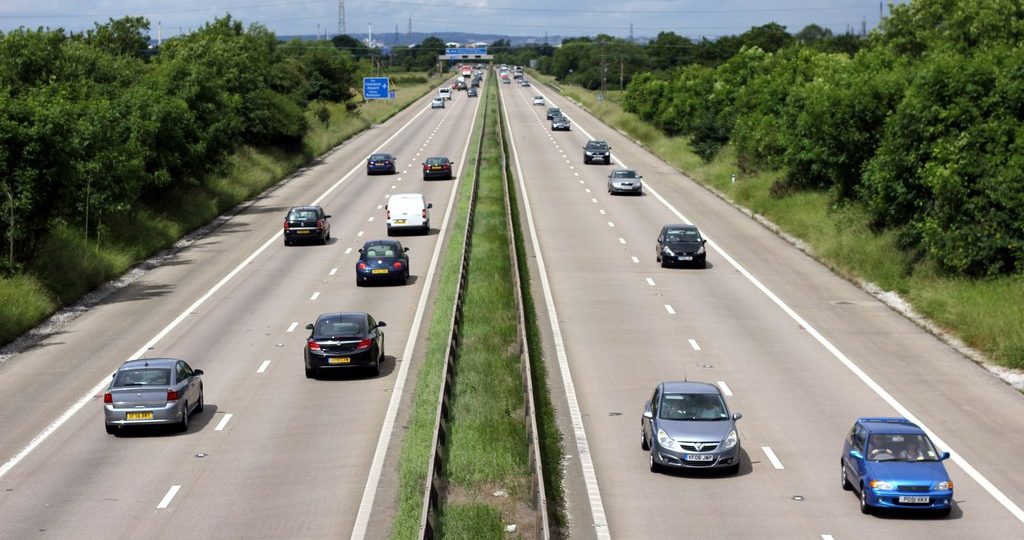
At last year’s Scottish Expo conference, a panel discussion on PAS 2161 and the growing use of AI in road condition data exposed a clear divide. On one side were those excited by the prospect of constant data feeds from apps and dashcams, enabling defects to be identified and fixed almost in real time. On the other were those who questioned whether this shift risks pushing our industry towards a reactive strategy, built on data that is fast but shallow.

In this article, Steve Birdsall, CEO, Gaist, argues that road maintenance should remain a strategic decision rather than one driven primarily by AI-led data collection.
Having spent over 30 years developing and operating a range of survey technologies and 12 years developing A.I. I sit in the latter camp. Robust highway asset management has always depended on long-term thinking. Roads are not a collection of isolated defects; they are complex, ageing assets that require strategic stewardship. A “find and fix” approach may feel responsive, but it is rarely optimal. Budgets are drained by short-term repairs, and the underlying structural condition of the network continues to deteriorate. True value for money lies in prediction and prevention – understanding how and where a network is failing and intervening at the right time.
This is where the quality and structure of data become critical. Not all data is equal. Low-resolution AI apps, typically running on smartphones or dashcams, promise rapid insights. They have a role: they can help flag obvious safety defects and provide immediate visibility. But they are fundamentally limited. Image quality varies with light, speed and weather. Fine cracks, subtle surface fretting and early signs of failure are often invisible. If the system cannot see the detail, it cannot identify it.
As asset management becomes more data-driven, detail and accuracy are more important than ever. Strategic planning depends on understanding deterioration rates, failure modes and trends across the whole network. Low-resolution data is a poor foundation for lifecycle modelling or for making the case for the level of investment needed to move away from reactive repairs. Fast data is not the same as good data.
This is where the value of an annual national survey, built on very high-quality data, becomes clear. Using dedicated survey vehicles equipped with high-definition, high dynamic range cameras, it is possible to capture consistent, survey-grade imagery across entire networks. That level of detail allows defects to be identified with confidence and consistency. When AI is combined with human quality control, the result is information that asset managers can trust.
Northern Ireland has already recognised this. It has commissioned a full, high-resolution survey of its entire network, choosing depth and accuracy over speed alone. The result is a dataset that delivers far more than a snapshot of carriageway condition. It provides insight into footways, reinstatements, street furniture, road markings and the wider highway environment. That comprehensive view supports true holistic asset management, enabling informed decisions across all highway assets, not just the road surface.
An annual snapshot of the whole network (national or local), captured over a short timeframe and at the same point each year, creates a stable, comparable baseline. Conditions are recorded under similar seasonal influences, allowing genuine year-on-year comparison. Trends become visible. Deterioration rates can be understood. Decisions are based on a complete, current picture rather than a patchwork of uncomparable data gathered over many months.
This matters nationally. PAS 2161 will face a huge challenge in ensuring that fundamentally different survey technologies, with widely varying levels of accuracy, can be made comparable. My fear is that it will be years before we achieve a true picture of the overall trajectory of road conditions across the country. Without consistency, we risk replacing one imperfect system with many incompatible ones. Only by demanding the highest levels of detail and accuracy can we create a dataset that is truly comparable between authorities and over time.
SCOTS has already recognised that existing national reporting methods will need to change. That transition will only succeed if new data sources can still support continuity. High-resolution survey data can be translated into legacy performance indicators, ensuring that modern methods remain compatible with established benchmarks. Innovation does not have to mean abandoning comparability or long-term trend analysis.
Lightweight capture tools still have a role. The ability to take a snapshot of part of the network whenever it is needed has real value for safety checks and validation. Used properly, these tools should “feed and water” the dataset between formal surveys. But they should complement, not replace, a high-quality annual national survey.
The future of highway maintenance lies in strategic, evidence-based asset management. That demands data that is not just fast, but accurate, detailed and consistent. In an age of automation, quality must not become the casualty. Without it, no amount of technology will save our roads.