
What defines the thrill of driving?
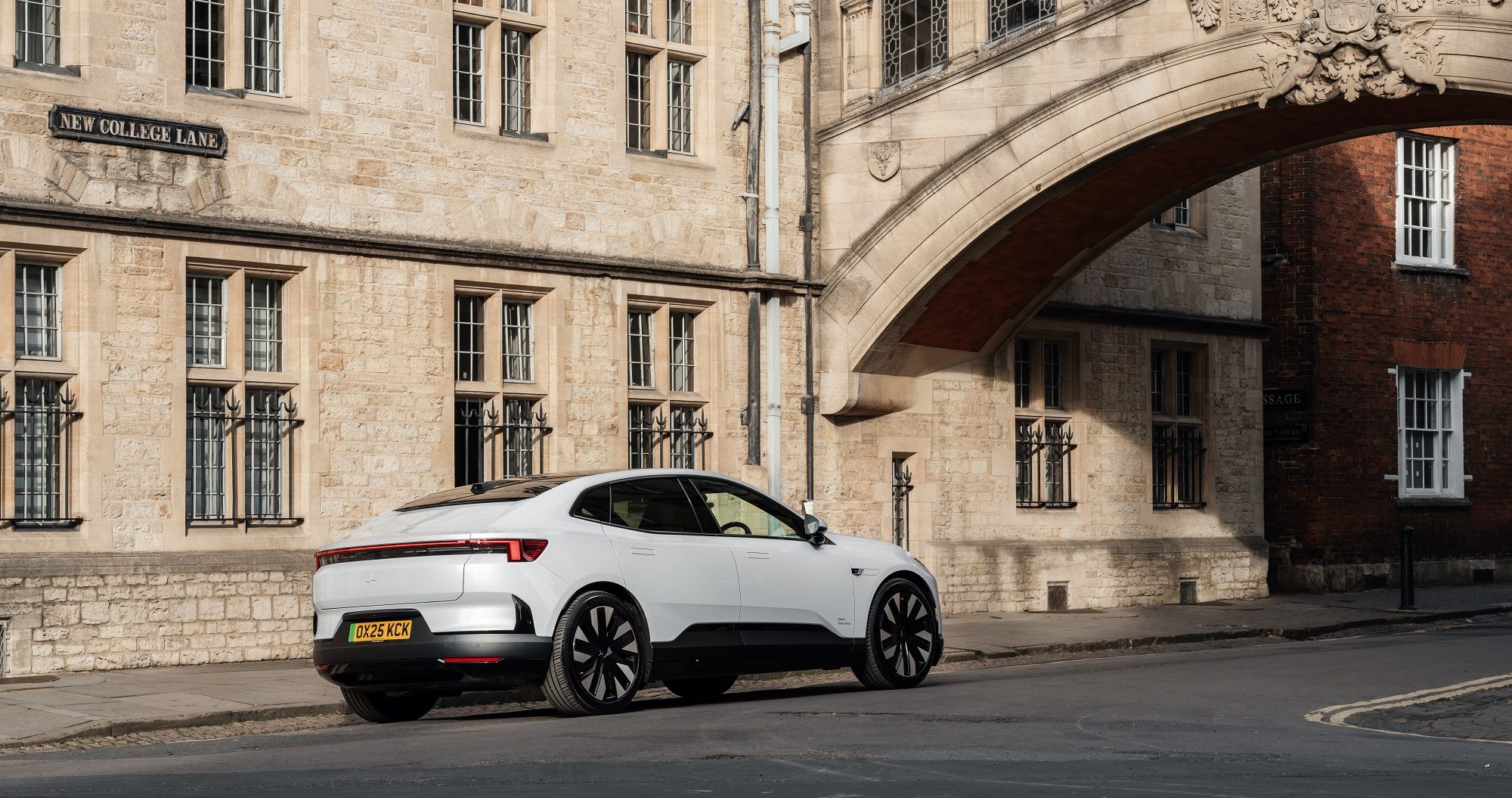
The University of Oxford and Polestar have launched a new pilot research project exploring whether the thrill of driving can be scientifically defined and measured using biometric and neurological data.
The study, led by the SDG Impact Lab at Oxford University in partnership with Polestar, will investigate how driving pleasure can be understood through measurable responses in the brain and body. The collaboration reflects growing interest in redefining automotive performance in the electric vehicle era, where traditional benchmarks such as engine noise and straight-line acceleration are becoming less central to the driving experience.
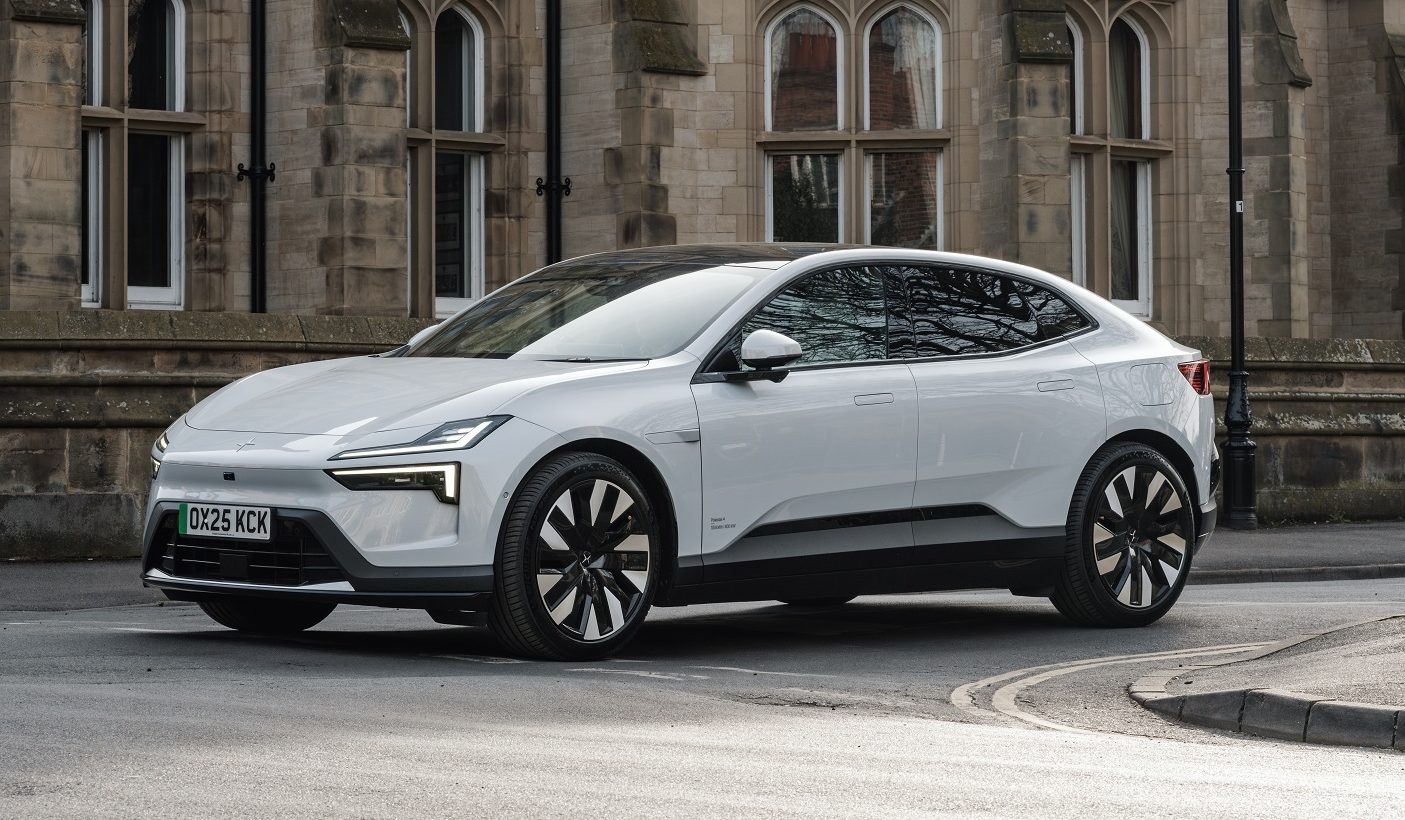
As EV adoption accelerates globally, both organisations say the industry is entering a new phase where emotional engagement, vehicle feel and driver experience may become more important measures of performance.
The research combines expertise from engineering science and experimental psychology and brings together six senior Innovation Fellows currently pursuing Doctor of Philosophy degrees at Oxford. Working as a multidisciplinary team, the researchers will be supported by senior university academics alongside Polestar’s vehicle engineering specialists.
Prof Alexander Betts, Pro-Vice Chancellor and Co-Founder of the Oxford University SDG Impact Lab, said: “This project demonstrates how academic research can create real-world impact beyond the university. Working with Polestar allows us to translate scientific insight into knowledge that can help shape future innovation.”
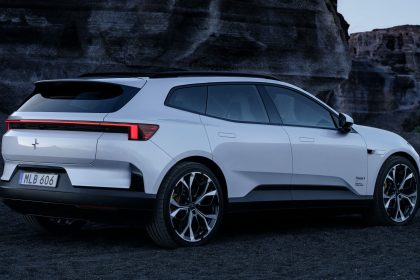
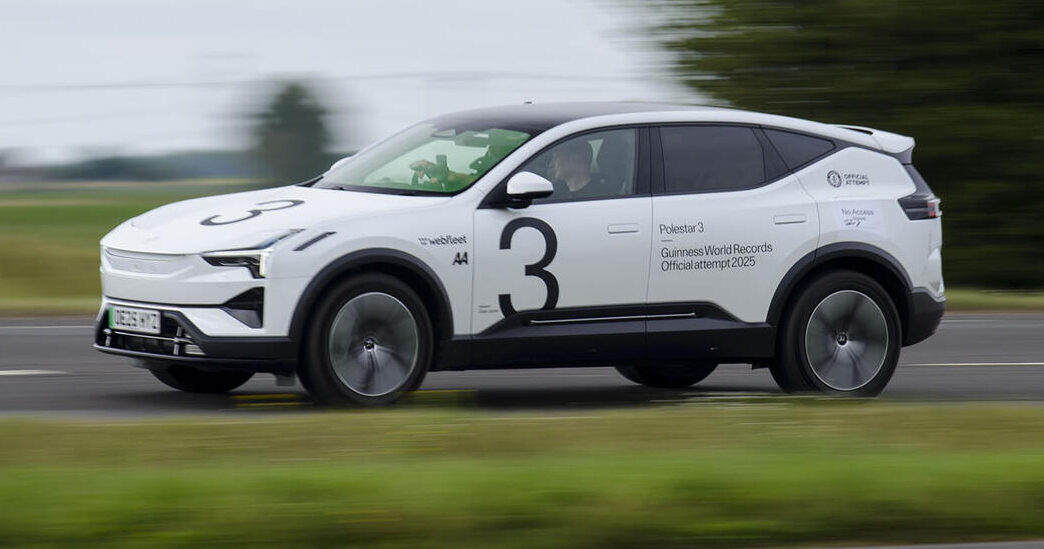
The study will analyse physiological, behavioural and cognitive responses while participants drive a high-performance Polestar vehicle. Researchers will monitor brain activity alongside biometric and behavioural data to examine whether sensations associated with driving excitement can be identified, analysed and quantified scientifically.
The partnership also challenges long-standing assumptions that driving excitement is closely tied to engine sound and combustion-engine characteristics. Instead, the project aims to explore how electrification could create entirely new approaches to performance development and driver engagement.
Alongside its technical goals, the research is also intended to contribute to broader discussions around EV adoption and consumer behaviour. Both parties believe the findings could help reshape perceptions of electric vehicle performance while supporting wider sustainability and decarbonisation goals.
Polestar has consistently positioned itself around a broader definition of automotive performance that combines sustainability, design and driving dynamics. The company recently unveiled the Polestar 5, described as its most performance-focused vehicle to date.
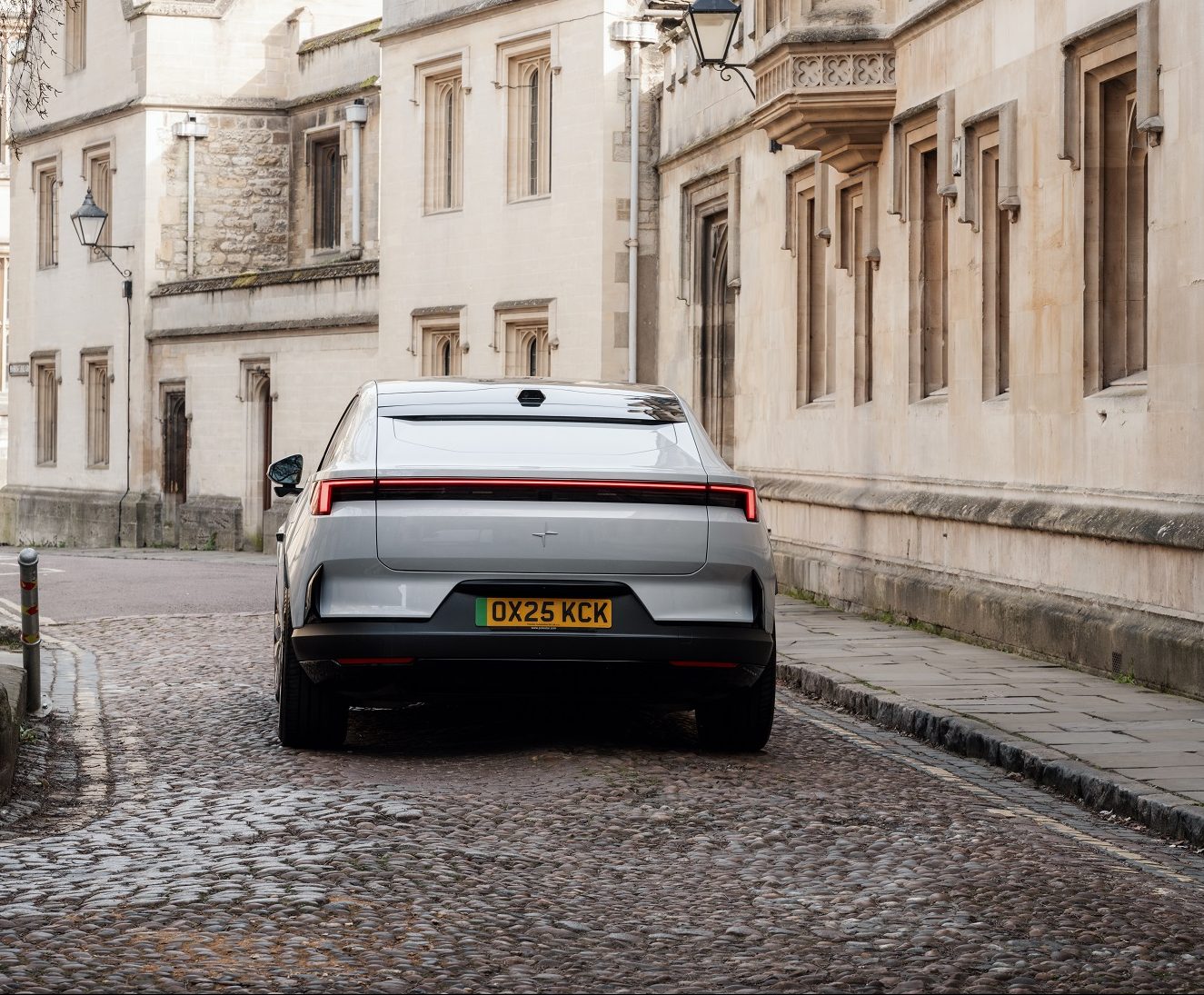
The four-door electric grand tourer is built on the company’s dedicated Polestar Performance Architecture platform and uses bonded aluminium construction to reduce weight and improve responsiveness. Advanced traction control systems, bespoke tyres, suspension tuning and braking technologies have all been designed to enhance driving feel and engagement.
Christian Samson, Head of Product Attributes at Polestar, said: “At Polestar we’ve proven to be a guiding star in design and sustainability, now it’s time to lead with performance, by challenging conventions around straight-line acceleration being the default measure of driving excitement. The scientific approach of this research promises real-world benefits for our customers, as the data can be used by our engineering team as an added layer for fine tuning our cars’ vehicle dynamics and performance attributes.”
The pilot programme will run from 9 March to 31 July 2026, with vehicle testing scheduled to take place at the Gotland Ring test track in June. The findings are expected to be presented in autumn 2026 during a dedicated event hosted at the University of Oxford.
The project highlights how automotive manufacturers and academic institutions are increasingly collaborating to explore the next generation of electric mobility, where performance may be defined as much by emotional response and driver engagement as traditional speed and power metrics.