
Tarmac reduce fleet collisions by 30%
Tarmac has reduced fleet collisions by 30% and delivered significant improvements in driver safety and fuel efficiency following the rollout of an integrated multi-camera and video telematics system developed in partnership with Motormax and Geotab.
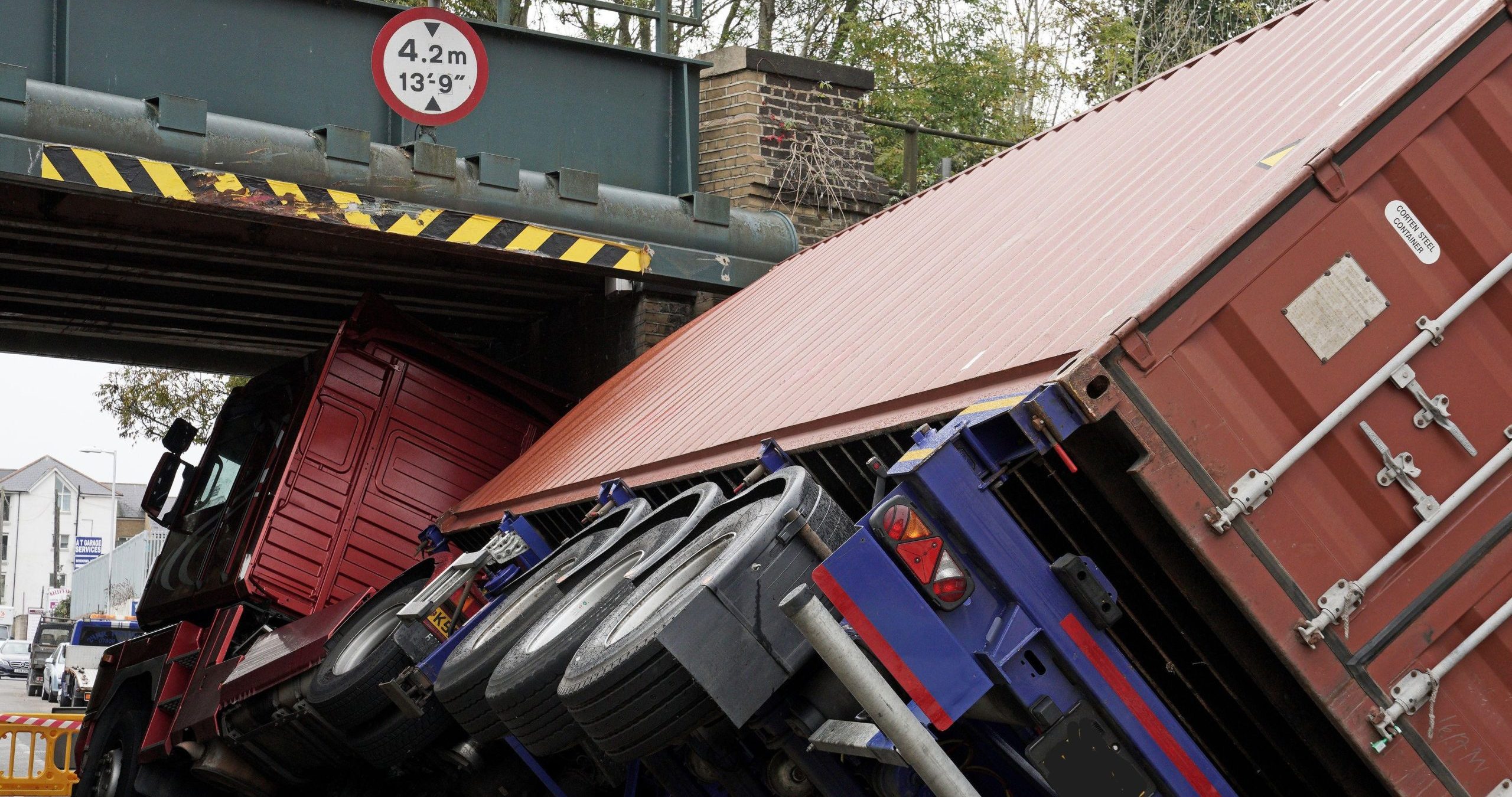
Within 12 months of implementation, the results have been substantial across safety, cost and operational performance. High and medium-risk drivers fell from 40% to 6.5%, while fuel economy improved by 25% across the van fleet. The organisation also recorded a 30% reduction in driver-fault collisions, a 50% drop in “pulling out” incidents, and a 30% year-on-year saving in collision repair costs. In addition, speeding incidents per 1,000 miles were halved following deployment in May 2023.
These improvements are supporting Tarmac’s wider goal of building a safer, more sustainable and more efficient fleet while delivering a measurable return on investment across insurance, operational and repair costs.
Improving safety across a large, complex fleet
Tarmac operates a mixed fleet of more than 2,000 vehicles, including trucks, vans, pickups and plant equipment. Managing such a large and diverse operation across seven regions and multiple business units created a need for greater visibility, consistency and control.
The solution integrates Motormax multi-camera systems with the MyGeotab platform via API, creating a single unified view for transport teams. This “single pane of glass” approach allows managers to access telematics data and video footage in one place, improving response times and decision-making.
When specific events are triggered, managers can instantly review and download video evidence. This supports faster incident investigation, driver protection and more targeted training interventions.
Tarmac Fleet Risk & Compliance Manager, Jonathan Meddings, said: “The integration allows managers to view telematics data and high-quality camera footage in a single platform, accelerating decision-making and streamlining fleet operations. As a result, we have already seen significant cost savings.”
Transport teams have shifted from limited visibility to data-driven decision-making, using objective insight to improve safety outcomes and operational performance.
Motormax Director, James Haycock, said: “This is a great example of what can be achieved when teams work closely together with a shared focus on safety. By combining the commitment and expertise of Motormax, Geotab and Tarmac, we’ve been able to make meaningful progress in just 12-months. Our goal is always to help fleets reduce risk, prevent incidents and better protect drivers and vulnerable road users, and these results show exactly that. We’re incredibly proud of what’s been achieved so far.”
Data-led safety, training and performance improvement
The system enables Tarmac to assess driver behaviour using event-based data and risk scoring. This has become central to improving accountability, reducing incidents and controlling costs.
Telematics and video insights are also directly influencing driver behaviour, with measurable reductions in speeding and improved adherence to safe driving practices. Behavioural trends are now used to design targeted training programmes, helping address specific risks such as speeding and seatbelt compliance.
Meddings explained: “The solution enables us to design training for specific issues. As a result, we have seen a reduction in speeding -10% over the limit and 20% over the limit have halved. The data also empowers our managers to have the right conversations with drivers who are not following procedure, for example, seatbelt usage-now we have the data required to take relevant action.”
Faster claims and stronger insurer collaboration
The integration of video and telematics data has also improved collaboration with insurer AXA, enabling faster claims processing and clearer liability decisions.
Tarmac Head of Category Management & SRM, Lee Green, said: “We trained our insurance claims team on how to use the system so they can utilise footage to assist faster claims resolution. We are speaking to our insurers about what types of accidents we are having – for example, if the data shows a trend in rear-end shunts, we will consider adding rear cameras. The technology gives us better visibility of the fleet and the requirements for continuous improvement.”
Driving positive behaviour and long-term cultural change
The technology has also been used to encourage positive driving habits. Through Geotab reporting tools, Tarmac recognises safe driving behaviour via initiatives such as the “100 Club”, which rewards drivers achieving perfect scores over set distances.
Fleet safety performance is now embedded into governance, with monthly MI Fleet Safety Packs reviewed at management level. This ensures accountability while supporting continuous improvement across the organisation.
Beyond safety, the system has delivered wider operational benefits, including improved mileage tracking for HMRC compliance, reduced unnecessary journeys, more accurate lease vehicle reporting and better fleet optimisation, ensuring higher-cost vehicles are only used where necessary.
A platform for future fleet transformation
While already delivering significant gains, Tarmac sees further potential in the system as it continues to expand its use of the platform.
Meddings concluded: “Working closely with Motormax and Geotab, we are confident that we are future-proofing our fleet safety and operations. We have only utilised a small part of the Geotab platform so far, and there is significant scope to deliver even more value.”
The collaboration demonstrates how integrated telematics, video technology and data-led decision-making can deliver measurable improvements in safety, efficiency and cost control across large-scale fleets.