
Fleet managers in the U.K. are experiencing significant financial pressures, including rising fuel prices and operational inefficiencies. Automation has the potential to mitigate costs and improve the bottom line. Decision-makers should select the most suitable applications for their fleet and tailor them to meet their specific needs.
The High Cost of Fleet Operations
Fleet budgets are strained due to many routine expenses that keep operations running, including fuel, maintenance, labour and administration. In early January 2026, diesel fuel costs remained above 140p per litre, while petrol costs averaged above 133p per litre. Rising costs of living and more competitive markets are driving up wages, which adds additional pressure on budgets.
U.K. fleets must comply with emission standards to avoid noncompliance fees. Multiple cities have implemented clean air zones, which support sustainability initiatives and have minimum emission standards for vehicles driving through them. In London, compliance is required for fleets operating within designated zones:
- Ultra Low Emissions Zone: Smaller vehicles weighing below 3.5 tonnes must comply to avoid a £12.50 daily charge.
- Low Emission Zone: Larger vehicles over 3.5 tonnes must comply to avoid a £100 daily charge.
Capital expenditure — or upgrading the fleet with compliant vehicles or retrofitting current vehicles to meet standards — and incurring daily penalties for noncompliance are high costs for fleet managers to account for, alongside routine fleet expenses.
4 Ways Automation Can Reduce Fleet Spending
Automation provides a solution for fleet managers and vehicle operators. There are proactive strategies for cost control and operational efficiency.
1. Optimise Routes and Fuel Consumption
AI-powered software can automate route planning to reduce fuel consumption. Route optimisation software is specifically designed to create the most efficient routes, saving time and costs. It can also help drivers reduce mileage, save time and avoid traffic. Telematics and GPS offer real-time tracking and automatically collect data related to mileage and driver behaviour.
2. Enhance Depot and Vehicle Security
Fleet managers can use automated systems to improve the security of their operations. Acting as a second set of eyes on the road, Advanced Driver-Assistance Systems use AI-powered dashcams to detect road conditions and identify high-risk behaviour. Some systems provide immediate alerts to warn drivers of lane departures and help them avoid collisions. These outputs can improve the fleet’s safety culture on the road.
At the depot, remote immobilisation can disable a vehicle remotely to prevent theft, and AI-powered security systems can send alerts when they detect suspicious actions or unauthorised movements. Smart garage door openers are another consideration gaining traction across various industries, as the residential market is expected to increase from $655 million in 2023 to $1.24 billion by 2032. Commercial fleets can also benefit from automating property access.
3. Implement Predictive Maintenance
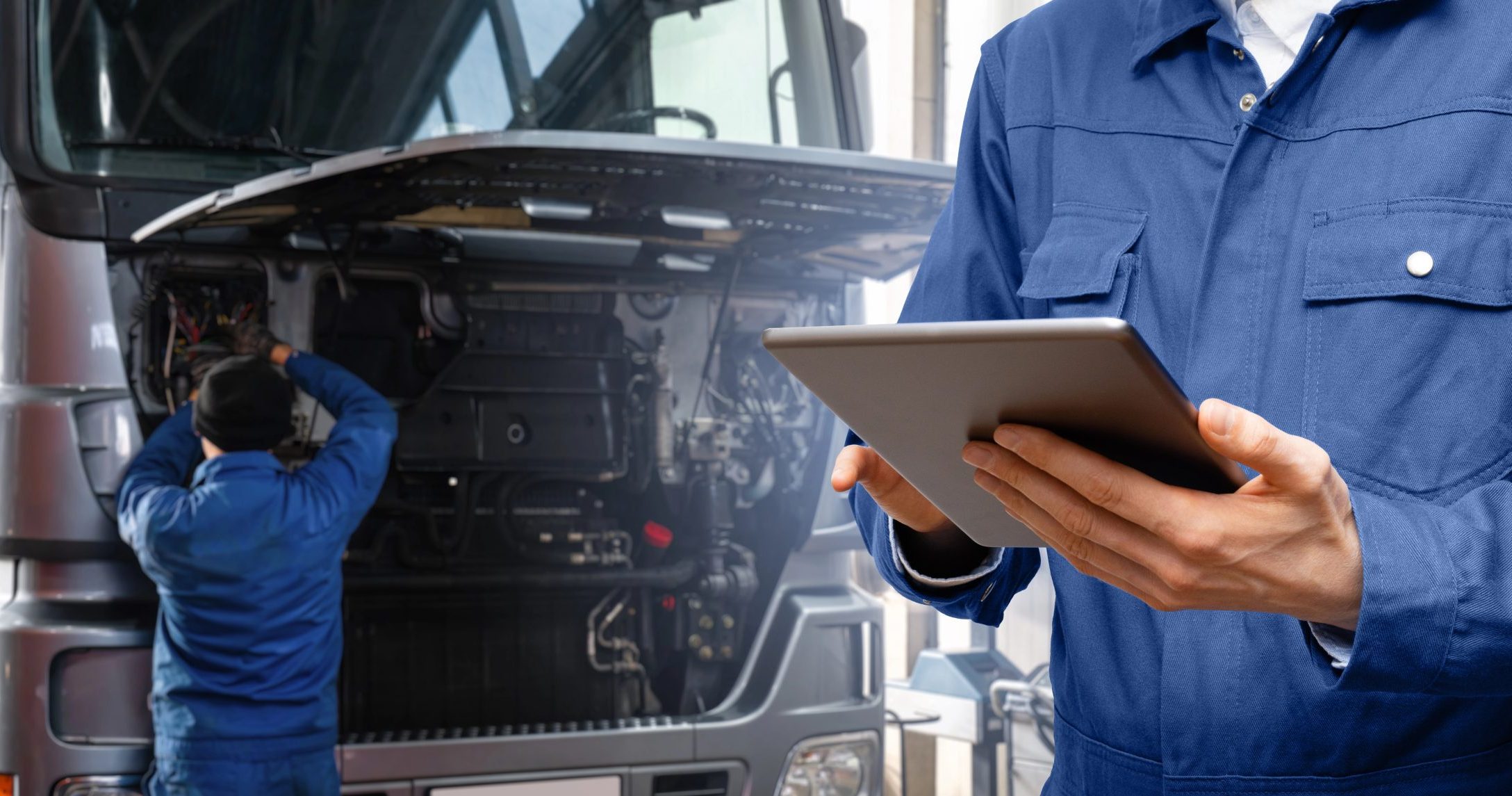
Predictive maintenance uses sensors to monitor real-time data to predict potential failures before they occur. AI and machine learning tools can analyse data to determine maintenance needs, optimise routes, detect fraud and more. Predictive maintenance, as opposed to reactive maintenance, is a crucial strategy to avoid overspending because it can minimise unplanned downtime and more expensive emergency repairs.
4. Streamline Administrative and Financial Tasks
Automation can be implemented into back-office tasks, which include compliance tracking, payroll, invoicing, budget tracking and similar processes. Fleet Management Software involves data centralisation, automatic workflows and integrated systems. Driver wages can be automatically calculated based on their mileage, hours and tasks. Digital documents and logs can automatically organise and interpret data.
Likewise, communication can be streamlined with automatic updates to stakeholders and secure cloud portals. These can enhance transparency regarding the fleet’s operations and expedite decision-making processes. When carefully set up, these system upgrades can help reduce administrative overhead and minimise human error.
Start Saving with Fleet Automation
U.K. transport and fleet managers should consider automating processes related to fuel consumption, maintenance, security and administrative tasks. They can start by identifying areas where automation would have the most immediate impact on their operation. From there, scalable solutions should grow with the fleet’s needs.
Author: Evelyn Long, Editor-in-Chief of Renovated Magazine