
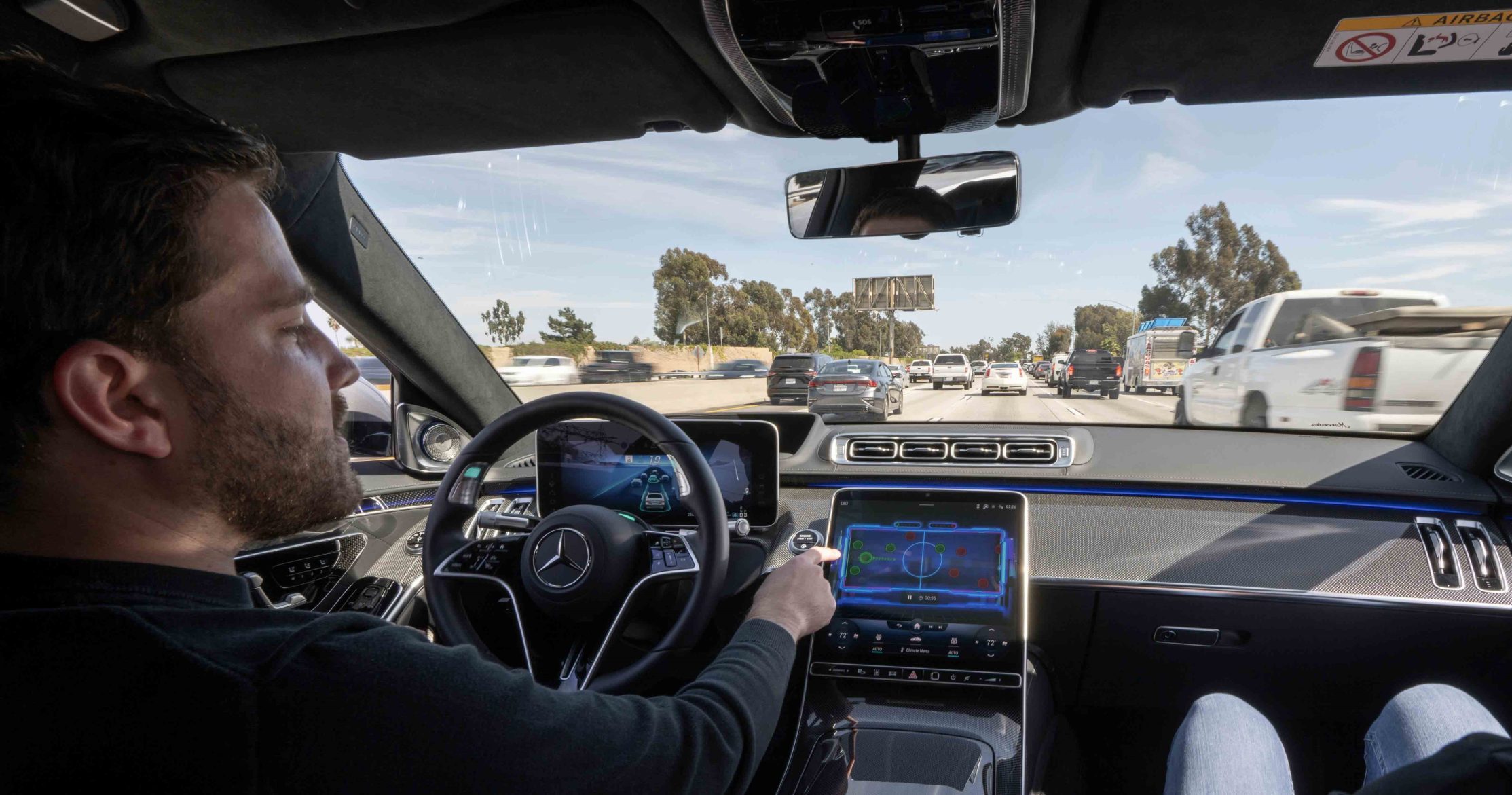
BMW and Mercedes are pausing eyes-off Level 3 autonomy
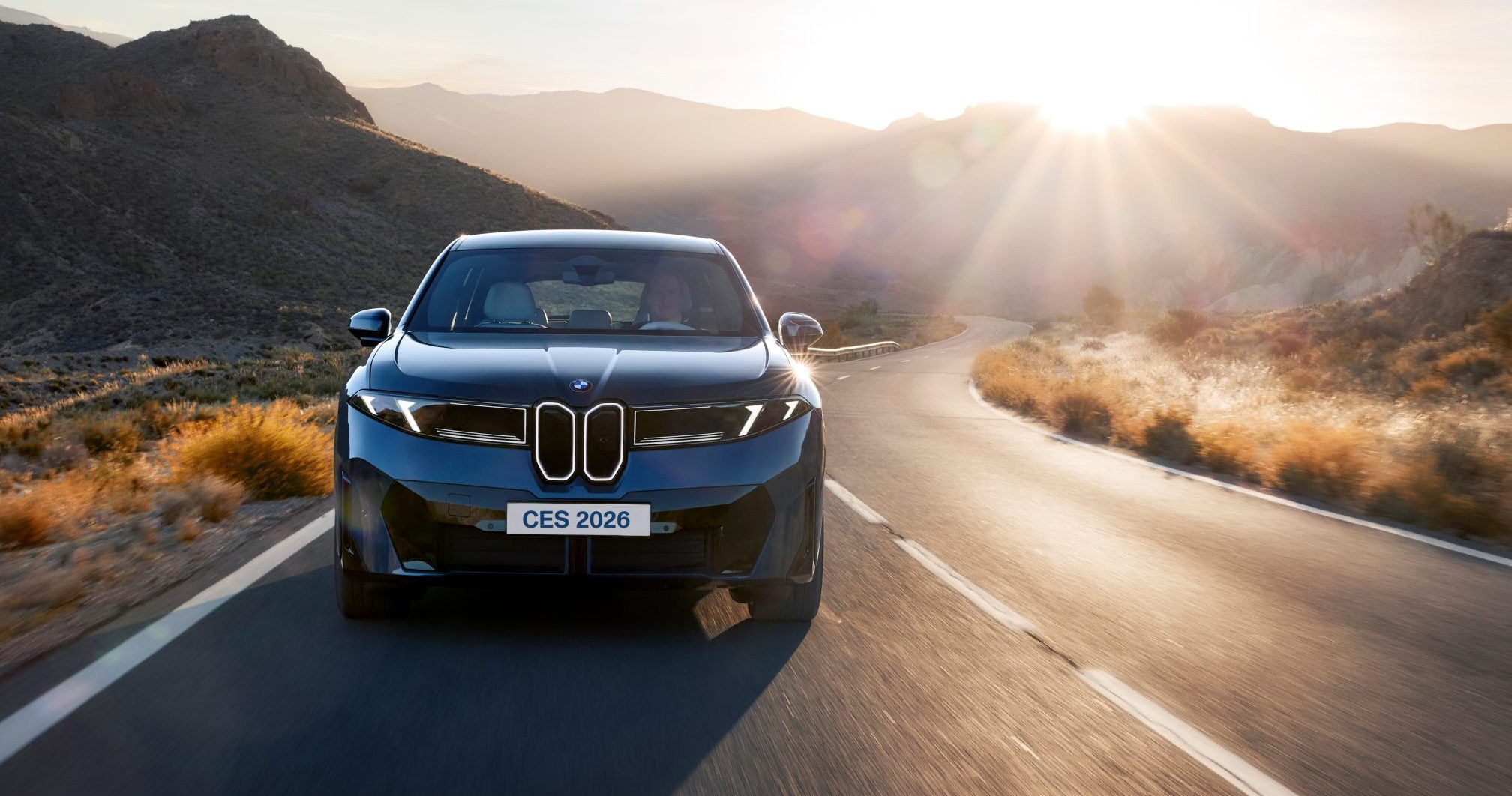
The race towards fully autonomous driving has taken a notable turn. Once leaders in eyes-off Level 3 autonomy, BMW and Mercedes-Benz are now pulling back, shifting their focus towards more conventional, Tesla-style driver-assistance systems. This strategic pivot reflects a complex mix of cost pressures, regulatory uncertainty, technological limitations and changing market demand.
Understanding the Shift: From Level 3 to Level 2+
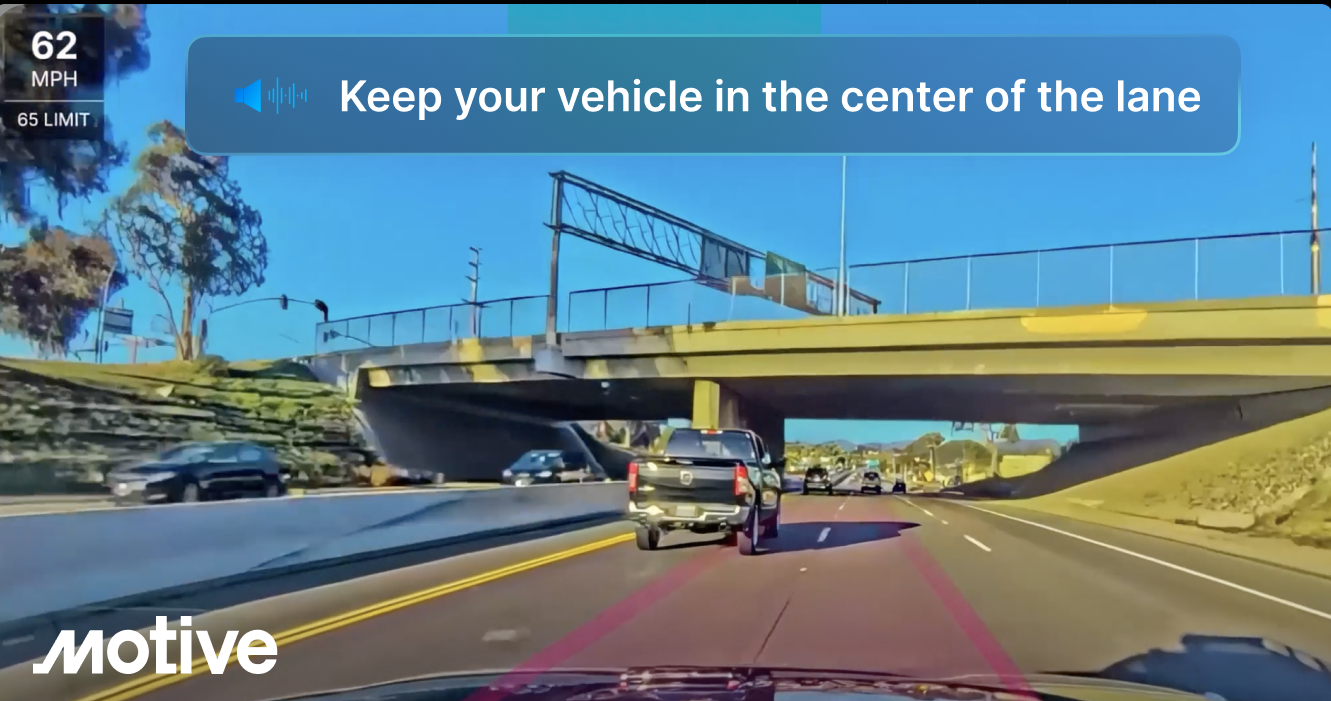
In the Society of Automotive Engineers (SAE) classification, Level 3 systems allow drivers to take their eyes off the road under specific conditions, with the car handling driving tasks independently. By contrast, Level 2 systems—like Tesla’s Autopilot and “Full Self-Driving (Supervised)”—still require continuous driver attention, even though they can steer, accelerate and brake autonomously.
BMW and Mercedes were early adopters of Level 3 technology. Mercedes introduced its Drive Pilot system in 2023, while BMW deployed similar functionality in its flagship 7 Series. However, both companies are now retreating from this eyes-off approach in favour of more scalable Level 2+ systems that mirror Tesla’s philosophy.
- High Costs and Limited Return on Investment
One of the most significant barriers is cost. Developing a Level 3 system can cost up to $1.5 billion—roughly double the investment required for Level 2 systems.
BMW’s decision to drop its Level 3 feature from the 7 Series highlights this issue. The system required expensive hardware such as lidar sensors and high-performance computing, while regulatory validation across different markets added further expense. Crucially, customer uptake was low, with many buyers unwilling to pay thousands extra for the feature.
Mercedes has faced similar economics. Limited demand, combined with high development and supply chain costs, made it difficult to justify continued investment.
In contrast, Tesla-style systems rely heavily on cameras and software, reducing hardware complexity and enabling wider deployment at lower cost.
-
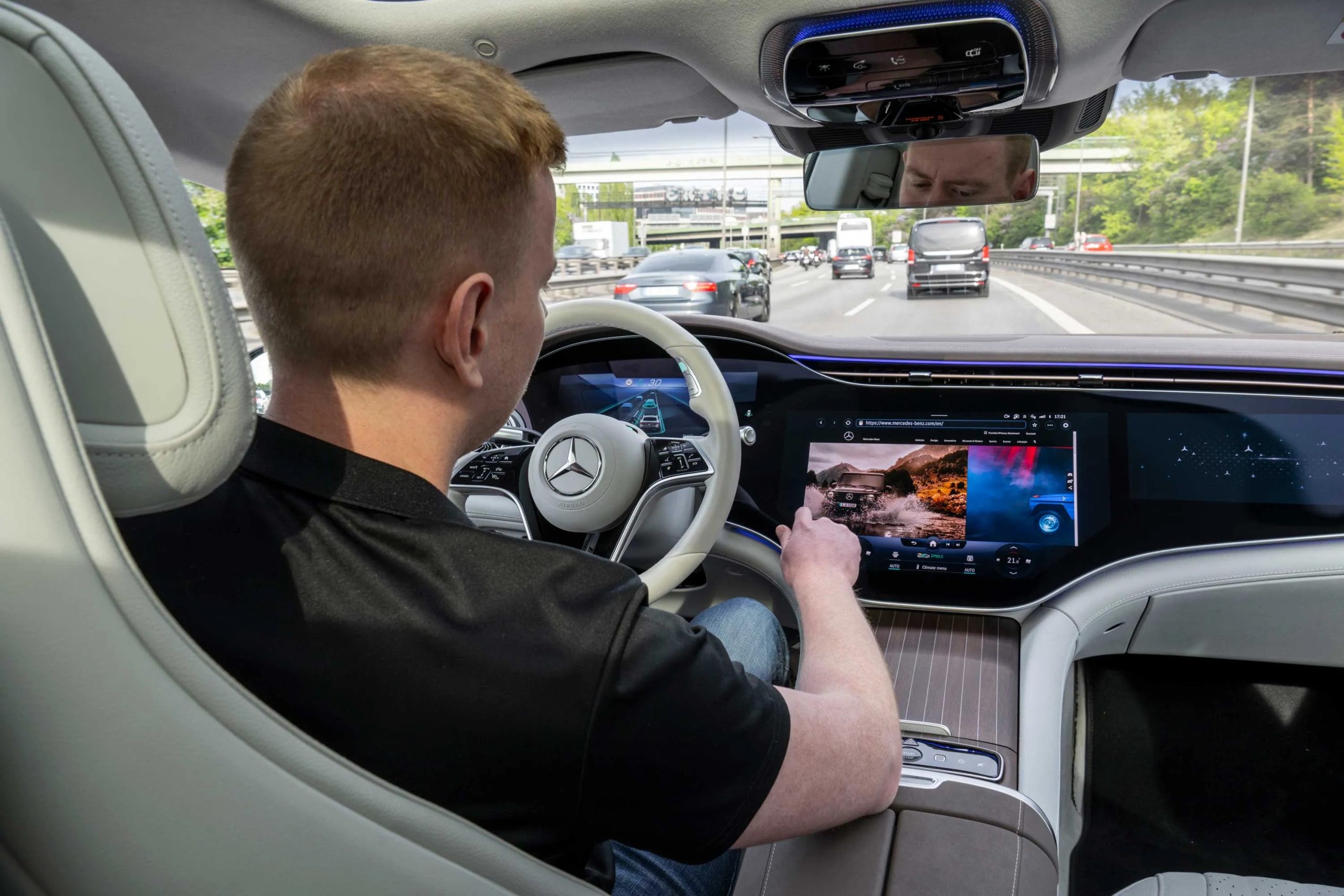
Drive PiIot. Image: Mecedes-Benz Regulatory and Liability Challenges
Level 3 autonomy introduces a fundamental legal complication: who is responsible when something goes wrong?
Because drivers are allowed to disengage, liability may shift from the driver to the manufacturer in the event of an accident. This creates significant legal exposure for carmakers, particularly in markets with strict safety regulations.
Regulatory frameworks for Level 3 systems also remain fragmented. Approval is often limited to specific roads, speeds and conditions, making deployment slow and geographically constrained. This patchwork of rules undermines the scalability of eyes-off systems and delays returns on investment.
By comparison, Level 2 systems keep the driver responsible, simplifying legal compliance and allowing faster global rollout.
- Technical Limitations and Safety Concerns
A major technical hurdle for Level 3 systems is the “handover problem”—the transition between automated driving and human control.
Experts warn that ensuring a safe handover requires the system to detect hazards, alert the driver and maintain control long enough for the driver to respond. This can involve several seconds of continued safe driving under uncertain conditions, which is difficult to guarantee.
This grey area between human and machine control has led some industry leaders to question whether Level 3 is viable at all. As one expert put it, the “juice isn’t worth the squeeze”, reflecting doubts about whether the benefits outweigh the risks.
Tesla’s approach sidesteps this issue by keeping the driver engaged at all times, avoiding the need for complex handover protocols.
- Limited Real-World Use Cases
Another key issue is usability. Mercedes’ Drive Pilot, for example, only functioned in specific traffic conditions—typically low-speed motorway congestion.
Such narrow operating conditions limit the feature’s appeal. Drivers may find little value in a system that only works in rare or highly specific scenarios. This restricts adoption and makes it harder for manufacturers to monetise the technology.
Tesla-style systems, by contrast, are designed to work across a much broader range of environments, including urban roads. Even though they require supervision, their versatility makes them more attractive to consumers.
- Competitive Pressure and Market Strategy
The shift is also driven by competitive dynamics. Tesla has successfully positioned its Level 2+ system as a continuously improving software product, updated over the air and usable in many real-world scenarios.
Meanwhile, Chinese automakers are increasingly offering advanced driver-assistance features at low or no additional cost, intensifying pressure on premium European brands.
Faced with these trends, BMW and Mercedes are prioritising scalable, software-driven systems that can compete globally rather than niche, high-cost features with limited uptake.
- A Strategic Pivot, Not a Retreat from Autonomy
It is important to note that this shift does not mean BMW and Mercedes are abandoning autonomy altogether. Instead, they are reallocating resources.
Both companies continue to invest in advanced driver-assistance systems and are exploring higher levels of automation in the long term. The difference is strategic: rather than focusing on Level 3 as an intermediate step, they are enhancing Level 2 systems while working towards more advanced, fully autonomous solutions in the future.
This mirrors a broader industry trend. Some companies are skipping Level 3 entirely, aiming instead for Level 4 or robotaxi-style autonomy, where the vehicle can operate without human intervention in defined environments.
Conclusion
BMW and Mercedes’ decision to pause eyes-off self-driving development reflects a pragmatic reassessment of the technology’s viability. High costs, regulatory complexity, safety concerns and limited consumer demand have made Level 3 systems difficult to justify commercially.
In contrast, Tesla-style Level 2+ systems offer a more scalable and economically viable path, delivering tangible benefits to drivers today while laying the groundwork for future autonomy.
Rather than signalling a slowdown in innovation, this shift highlights a maturing industry—one that is increasingly focused on practical deployment, profitability and real-world usability over technological prestige.
Mark Salisbury, Editor