
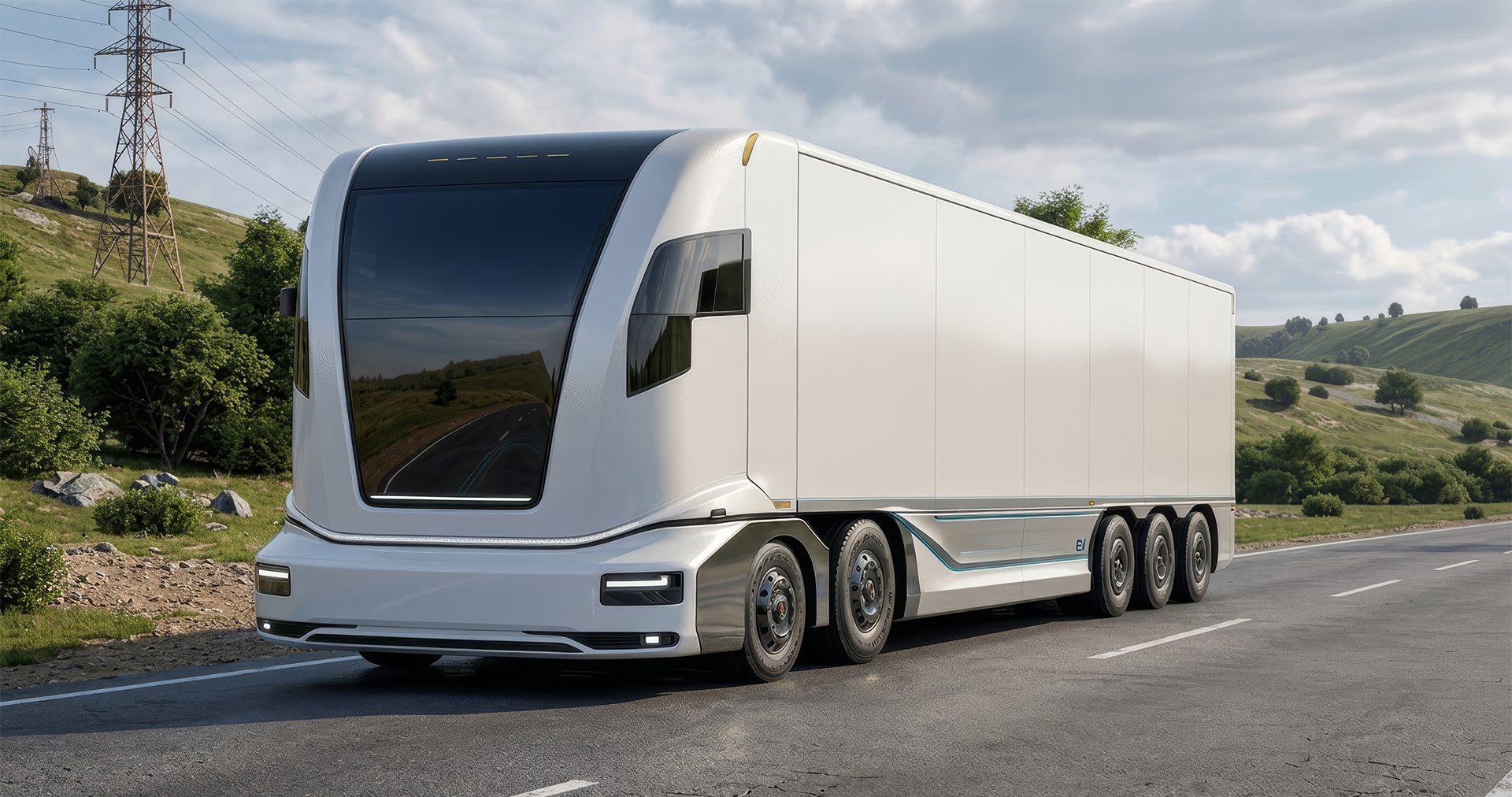
eFREIGHT Autonomous has unveiled the findings of a nine-month study into autonomous heavy goods vehicles (HGVs), identifying hub-to-hub motorway trunking and intermodal shuttle services as the most commercially viable starting points for early deployment in the UK.

Berkeley Sentinel autonomous cabless tug
The findings were presented during Voltempo’s Autonomous conference in Birmingham on 18 May, bringing together fleet operators, truck manufacturers, government representatives and technology providers to discuss the future of autonomous freight transport.
The consortium, led by Voltempo alongside Connected Places Catapult and Berkeley Coachworks, secured funding in 2025 through the UK Government-backed CAM Pathfinder Feasibility Studies competition delivered by Innovate UK and Zenzic.
Since launching last year, the consortium has carried out workshops, seminars and customer engagement sessions across the freight industry. Discussions have involved every major European truck manufacturer, as well as organisations including the Department for Transport, Department for Business and Trade, Transport Scotland, Logistics UK, Road Haulage Association and Society of Motor Manufacturers and Traders.
The report concludes that autonomous freight technology is moving rapidly beyond pilot schemes into early-stage commercial deployment internationally, while the UK edges closer to implementation of the Automated Vehicles Act 2024.

Michael Boxwell
Michael Boxwell, Corporate Development Officer at Voltempo, said: “Over the past nine months, we’ve focused on understanding where autonomous freight can deliver genuine operational value for UK fleets and what conditions are needed to make deployment practical.
“What’s become clear is that this is no longer a future concept. The technology, legislation and commercial interest are all moving forward quickly, and with continued grant funding available to support trials, the UK is ideally positioned to take advantage and lead from the front.”
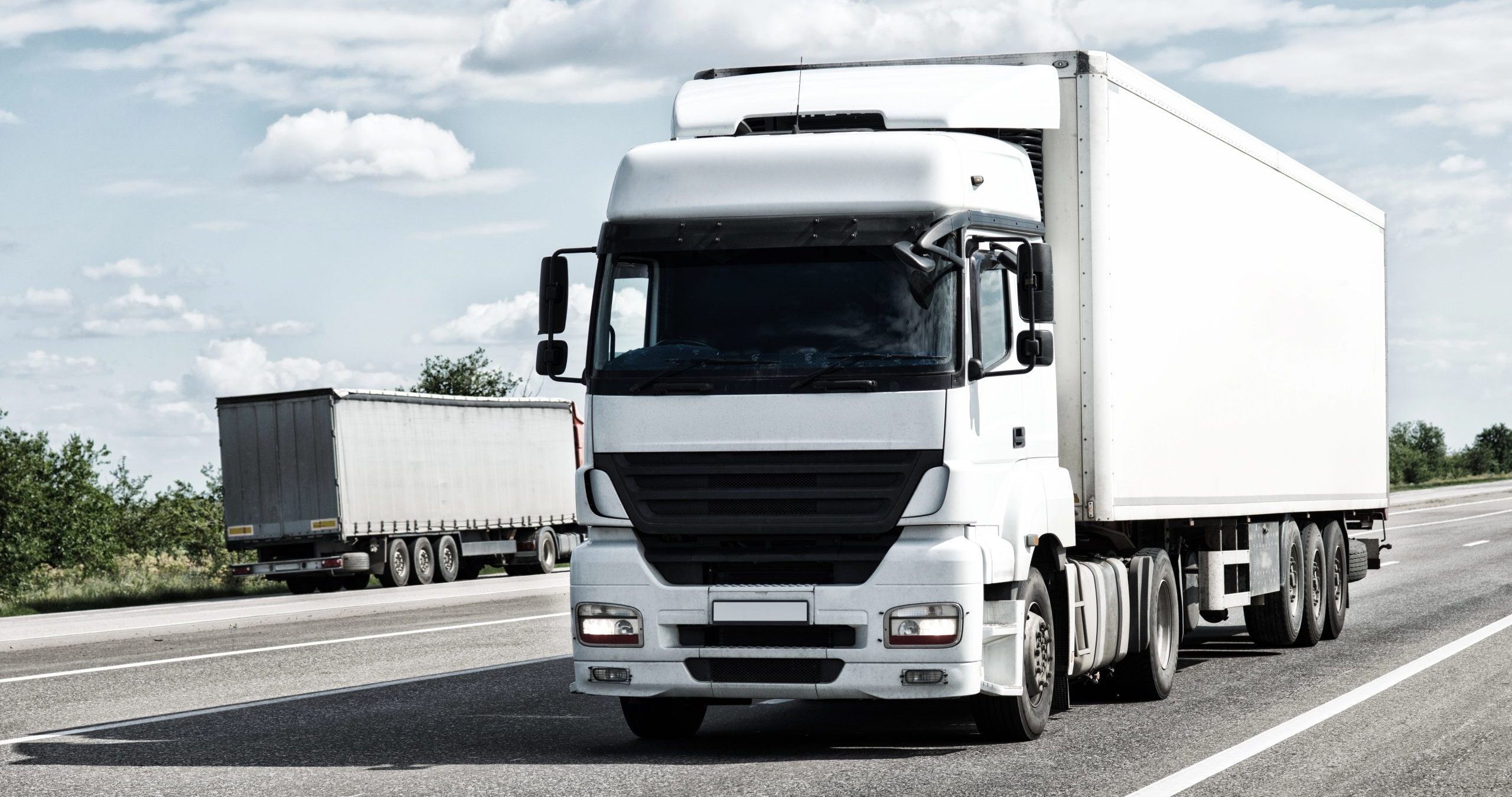
According to the consortium, hub-to-hub motorway trunking between logistics centres and short intermodal shuttle operations linking ports, railheads and distribution hubs offer the clearest route to early adoption. These operational environments provide predictable routes, controlled infrastructure and measurable benefits around vehicle utilisation, safety, productivity and emissions reduction.
As part of the programme, Voltempo and its partners have also been working with government bodies and vehicle manufacturers on concepts for a new generation of autonomous HGVs. Proposed designs include lightweight “smart trailer” configurations capable of increasing payload capacity by 15% while reducing overall vehicle weight by around 10%.
The consortium believes these next-generation autonomous freight vehicles could ultimately remove more than 22,000 heavy vehicles from UK roads while cutting fleet operating costs by up to 37%.
The next phase of the programme is expected to focus on supporting UK autonomous freight trials from 2027 onwards, while continuing collaboration with fleet operators, manufacturers and government stakeholders to accelerate commercial deployment.
The full eFREIGHT Autonomous report, Early-stage autonomous vehicle opportunities within UK heavy road freight is available to download here.