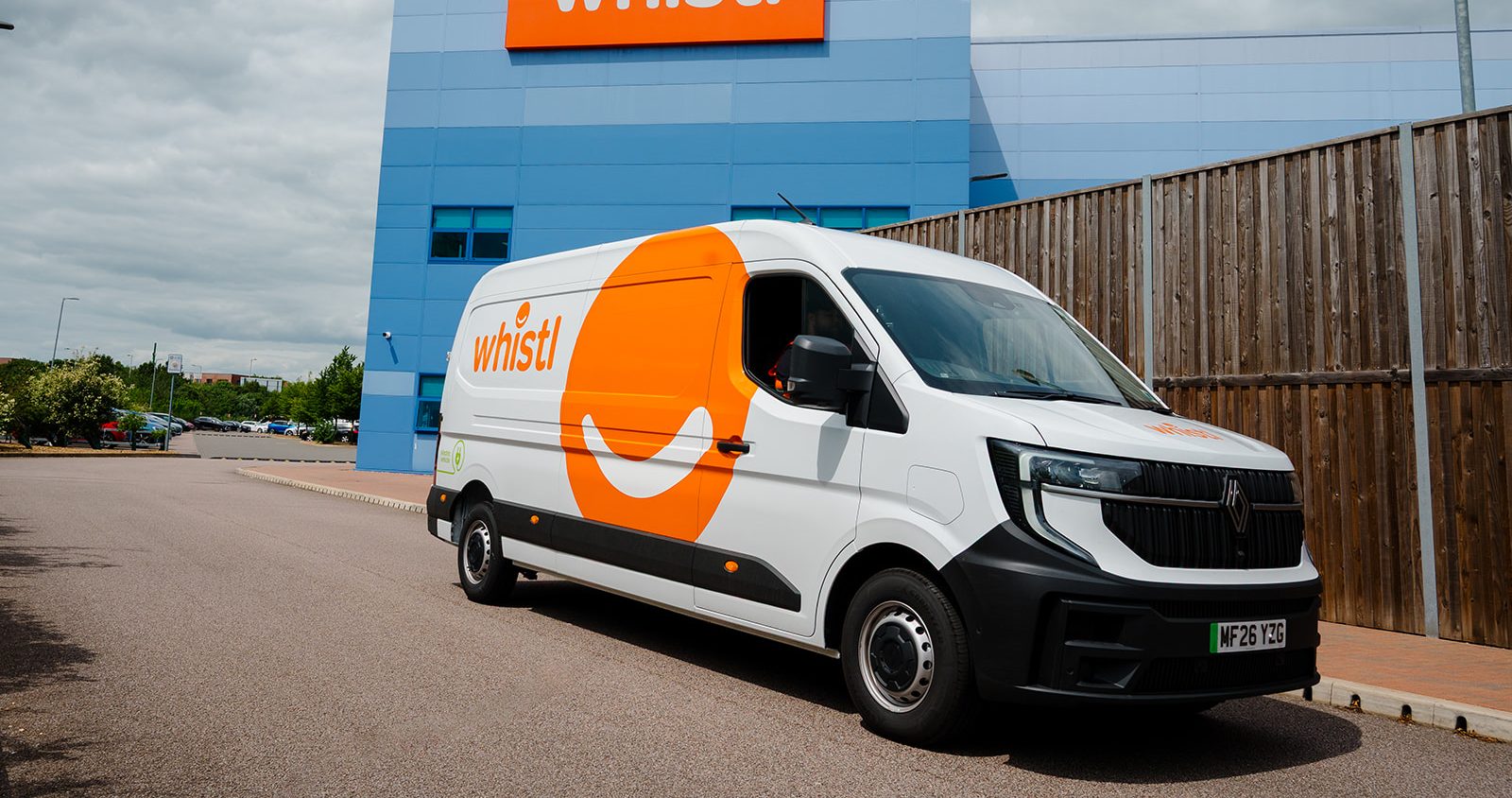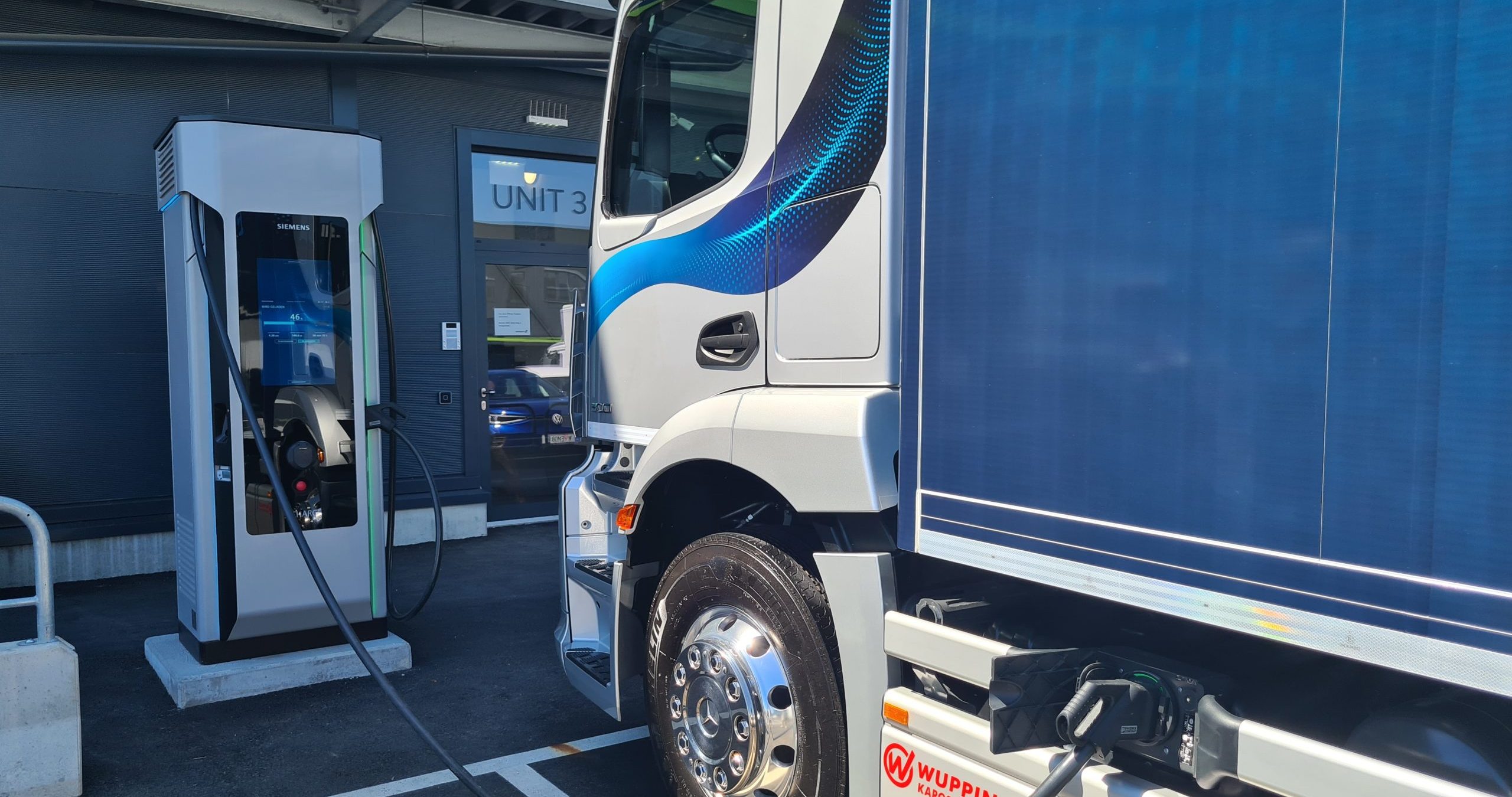

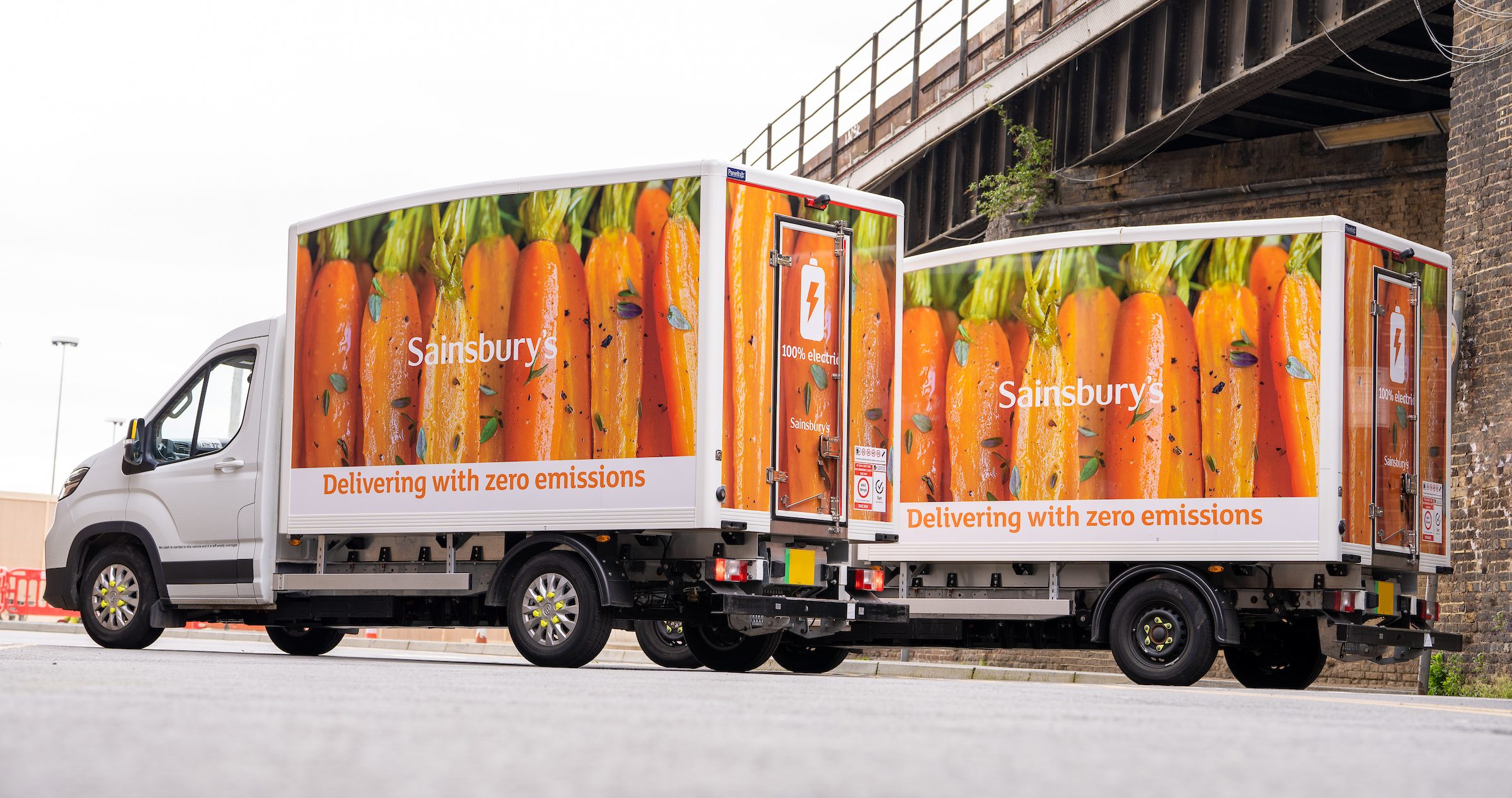
New analysis from fleet technology specialist Lightfoot has highlighted the intense operational pressures faced by retail delivery fleets, revealing they are among the hardest working vehicles on UK roads despite covering fewer miles per driver than other sectors.
The findings are based on data collected from Lightfoot-equipped vehicles across multiple industries over the past 12 months. The research shows that retail drivers typically travel shorter individual distances but operate in far more demanding conditions, characterised by congested suburban routes, frequent stops and significantly slower average speeds.
Retail delivery fleets included in the analysis represent some of the UK’s most recognisable brands, including Sainsbury, Currys Plc, Iceland, Tesco and Asda.

David Savage
David Savage, Chief Revenue Officer at Lightfoot, said: “For the first time, our analysis shows the considerable strain that retail delivery fleets are under, but that the biggest brands in the sector are recognising these pressures and managing them.
“Home delivery is an integral part of any retail business now, and how this is achieved in terms of cost, safety and productivity is essential to any bottom line. The data clearly shows that fleets using our in-cab coaching and reporting technology are working extremely hard, but also succeeding, and saving money, at this core service.”
Slower routes and intensive vehicle use
The analysis reveals that retail drivers individually travel fewer miles than drivers in other sectors, averaging 5,381 miles annually compared with 8,238 miles for non-retail drivers. However, retail vehicles themselves cover far greater distances overall, averaging 25,362 miles per year compared with 9,985 miles for vehicles in other sectors.
This difference is largely due to the intensive use of vehicles within retail fleets. Many vehicles are shared between multiple drivers, typically four to five per vehicle, compared with a near one-to-one driver-to-vehicle ratio in other industries.
“This intensive sharing model places greater strain on vehicles and creates additional compliance, accountability and driver management challenges – areas that Lightfoot’s technology is designed to address by providing individual driver visibility, even in shared vehicles,” said Savage.
Demanding driving environments
Retail driving conditions are also more demanding. When including time spent idling or stationary with the engine running, retail fleets average just 16 miles per hour, around 30% slower than non-retail fleets, which average 23 miles per hour.
Even when excluding idle time, retail drivers average 22mph compared with 31mph for drivers in other sectors. Despite travelling more slowly, retail fleets consume more fuel and electricity. They average 22 miles per gallon compared with 27mpg across all fleets, and electric vehicles average 1.4 miles per kWh compared with the broader fleet average of 1.9 miles per kWh.
The lower efficiency reflects the realities of retail operations, where vehicles spend long hours on densely populated urban routes making frequent deliveries while navigating congestion and time-sensitive schedules.
“The mechanical load on these vehicles is huge,” said Savage. “The fact they only average 16 miles every hour over long days and nights shows the vehicles are being used to pick up goods from depots and travel in fairly local areas, but with many stops for deliveries and a lot of congestion.
“This puts a strain on parts such as gearboxes and clutches, and so driving carefully and being mechanically sympathetic is vital if a fleet is not going to be hit by significant levels of vehicle off-road time, which can hit budgets and productivity hard.”
Because retail drivers often operate in busy urban environments and unfamiliar streets while delivering directly to customers, they also experience more frequent harsh driving events such as heavy braking or swerving. On average, one such event is recorded every three miles in retail fleets compared with one every 4.5 miles in other sectors.
“These drivers are not doing regular routes. They are often on unfamiliar, crowded roads delivering to customers and as a result, there is a lot of pressure on them,” Savage added. “That the number of harsh events recorded by our technology is only marginally higher than drivers in other sectors is testament to their skill and commitment.”
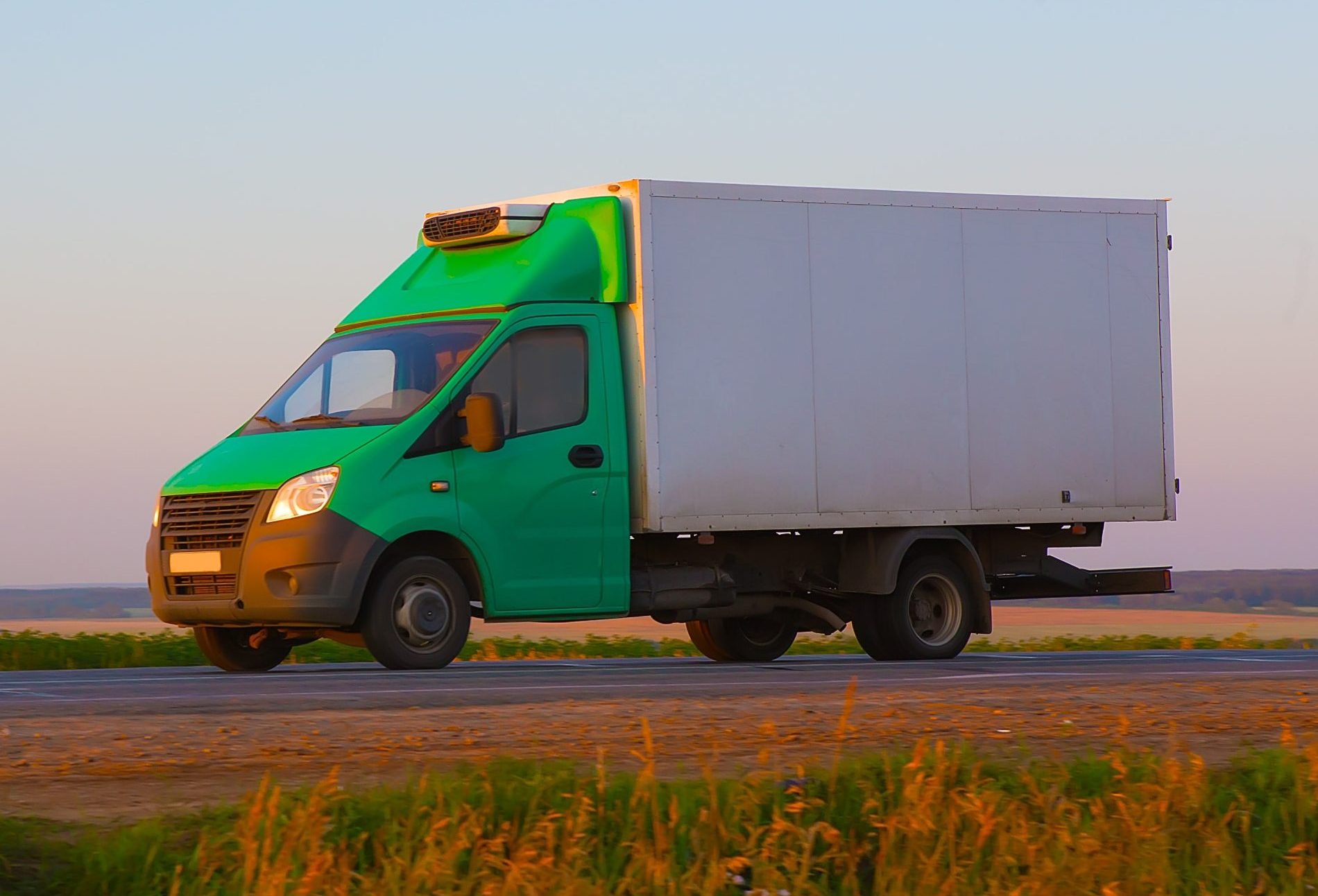
Retail Delivery Vehicle. Image: Lightfoot
Seasonal demand adds further pressure
Seasonal peaks place even greater demands on retail fleets. Lightfoot’s data shows that in the run-up to Christmas, around 10% of all retail driving hours, mileage and fuel consumption occur during the pre-festive period.
Electrification also increased significantly during this time. In 2025, 17% of the electricity used by retail fleets was consumed during December alone, reflecting the surge in delivery demand.
Retail fleets driving sustainability gains
Despite the operational challenges, retail fleets are also delivering significant environmental and efficiency benefits. According to Lightfoot’s data, 58% of all CO₂ savings recorded across its connected fleets in 2025 came from the retail sector, while retail fleets were responsible for 55% of the total fuel cost savings achieved.
Over the past 12 months, Lightfoot’s retail customers saved nearly £8.5 million in fuel and reduced electricity usage by around 800,000kWh.
Savage believes these results reflect a strong culture of driver engagement and operational management within the retail sector.
“I genuinely think the management and drivers running these complex retail operations have to be applauded,” he said. “We see cultures in these businesses where compliance, safety and engagement are second to none, and that is not easy when you consider the number of drivers using each vehicle.
“Establishing accountability from each employee is very important in this working environment, or you can lose control of the fleet, and sight of where problems are arising.”
Lightfoot addresses the challenge of multi-driver vehicles through an RFID-enabled version of its in-cab device, which identifies individual drivers and ensures performance data is correctly attributed regardless of how many employees use the same vehicle.
The system is supported by the Lightfoot mobile app, used by tens of thousands of drivers to monitor and improve their driving performance. Real-time feedback, gamification and engagement tools encourage behavioural change and sustained efficiency improvements.
“We have seen drivers using the app achieve a 9% uplift in MPG compared to those who do not, demonstrating the measurable impact of sustained engagement on efficiency and performance,” Savage said.
“In retail fleets specifically, this consistent improvement is helping operators enhance fuel economy, reduce emissions and strengthen overall fleet control in demanding operating environments.”