
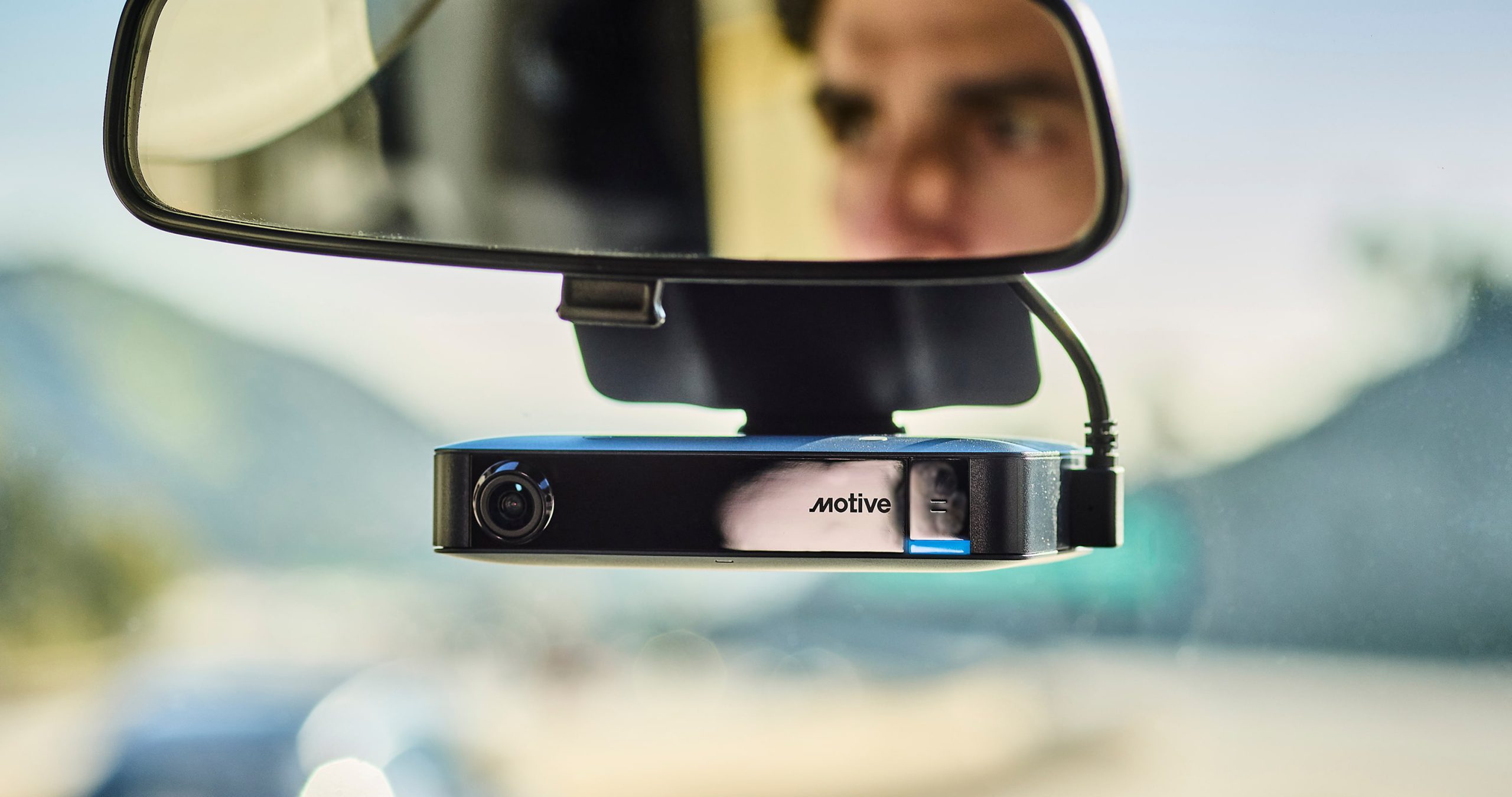
Motive unveil enhanced AI-powered fleet safety and operations platform
Motive, the AI platform for physical operations, has announced a major expansion of its technology platform at its annual Vision 26 innovation summit, introducing new AI-powered hardware and automation tools designed to improve fleet safety, productivity and operational efficiency.
The latest developments address two of the biggest challenges facing transport and logistics operators: fragmented systems and labour-intensive manual processes. By combining data, artificial intelligence and integrated hardware within a single platform, Motive aims to help organisations streamline operations, automate workflows and make faster, more informed decisions.
Shoaib Makani, CEO and co-founder of Motive, said: “Every operations leader we talk to describes a common set of problems: their systems are too fragmented, and their workflows are too manual. The answer is integration and automation.
“Motive has spent years breaking down the data silos. Now we’re helping our customers leverage AI to surface critical insights and automate interventions so they can run safer and more productive operations.”
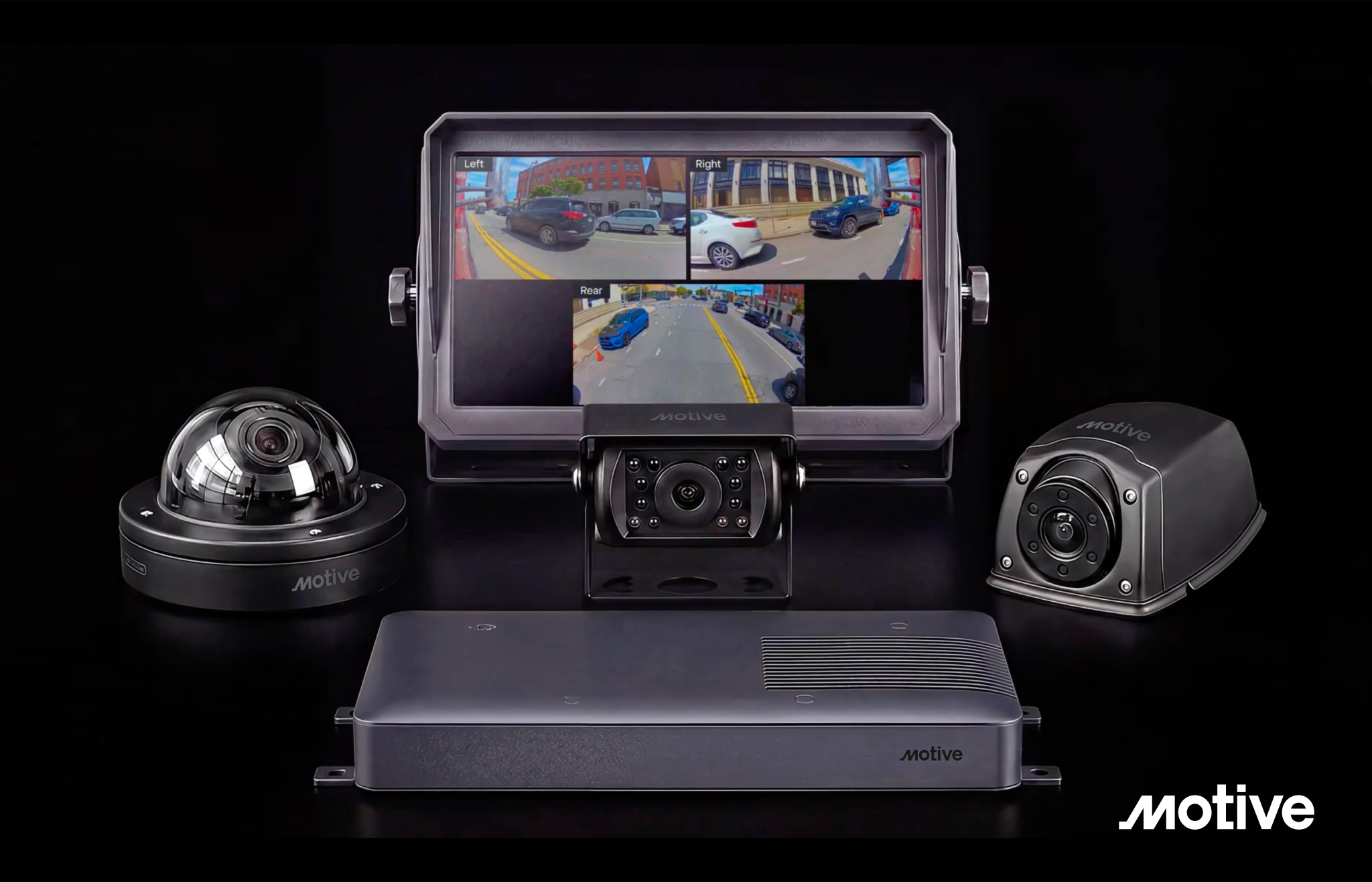
Among the key announcements was the launch of AI Omnicam Plus, a new camera system that provides drivers with AI-powered 360-degree visibility around their vehicles. Built on the AI Dashcam Plus platform and powered by Qualcomm technology, the system can run more than 30 AI models simultaneously, enabling real-time detection of road hazards with high accuracy and low latency.
The system delivers a live, all-round view through an in-cab monitor, helping drivers identify pedestrians, cyclists, vehicles and other potential hazards before incidents occur. Combined with AI-generated alerts, the technology is designed to improve situational awareness and reduce collision risks.
Motive also introduced new capabilities for AI Dashcam Plus, its advanced commercial vehicle camera and telematics solution. The upgraded platform features collision avoidance technology that tracks road users and predicts their movements, allowing earlier and more accurate warnings to drivers.
Additional features include automated licence plate recognition (ALPR), which captures registration plates while vehicles are moving and provides valuable evidence for investigations involving road traffic incidents, theft or disputes. The system also incorporates AI-powered speed sign detection, using computer vision to read roadside speed limits in real time rather than relying solely on mapping databases. This helps reduce false alerts and improve driver confidence in the technology.
A new live two-way calling feature enables hands-free communication between drivers and fleet managers directly through the device, allowing quicker responses to safety concerns, severe weather events and operational updates while reducing reliance on mobile phones.
Another major launch was Atlas, Motive’s new AI assistant, which enables fleet operators to analyse data, access insights and take action from a single interface. Designed to eliminate the need for manual reporting and searching across multiple systems, Atlas can instantly retrieve information relating to vehicle health, safety events and compliance issues.
The AI assistant also integrates with third-party AI platforms, including ChatGPT and Claude, through Motive’s new Model Context Protocol (MCP). This allows organisations to combine Motive data with other business information to automate complex tasks such as insurance benchmarking, reporting and strategic planning.
Atlas is also available through the new Motive Voice Assistant, enabling drivers to interact with the platform using voice commands while keeping their attention on the road. Drivers can request assistance, record video footage or contact dispatch teams without taking their hands off the wheel.
To further reduce manual workloads, Motive unveiled Automations, a new capability that allows organisations to trigger immediate actions based on real-time operational data. The technology can automatically respond to critical events such as vehicle fault codes, excessive idling, driver fatigue and compliance risks without waiting for human intervention.
According to Motive, these automated workflows help reduce risk, improve response times and ensure important actions are taken when they matter most.
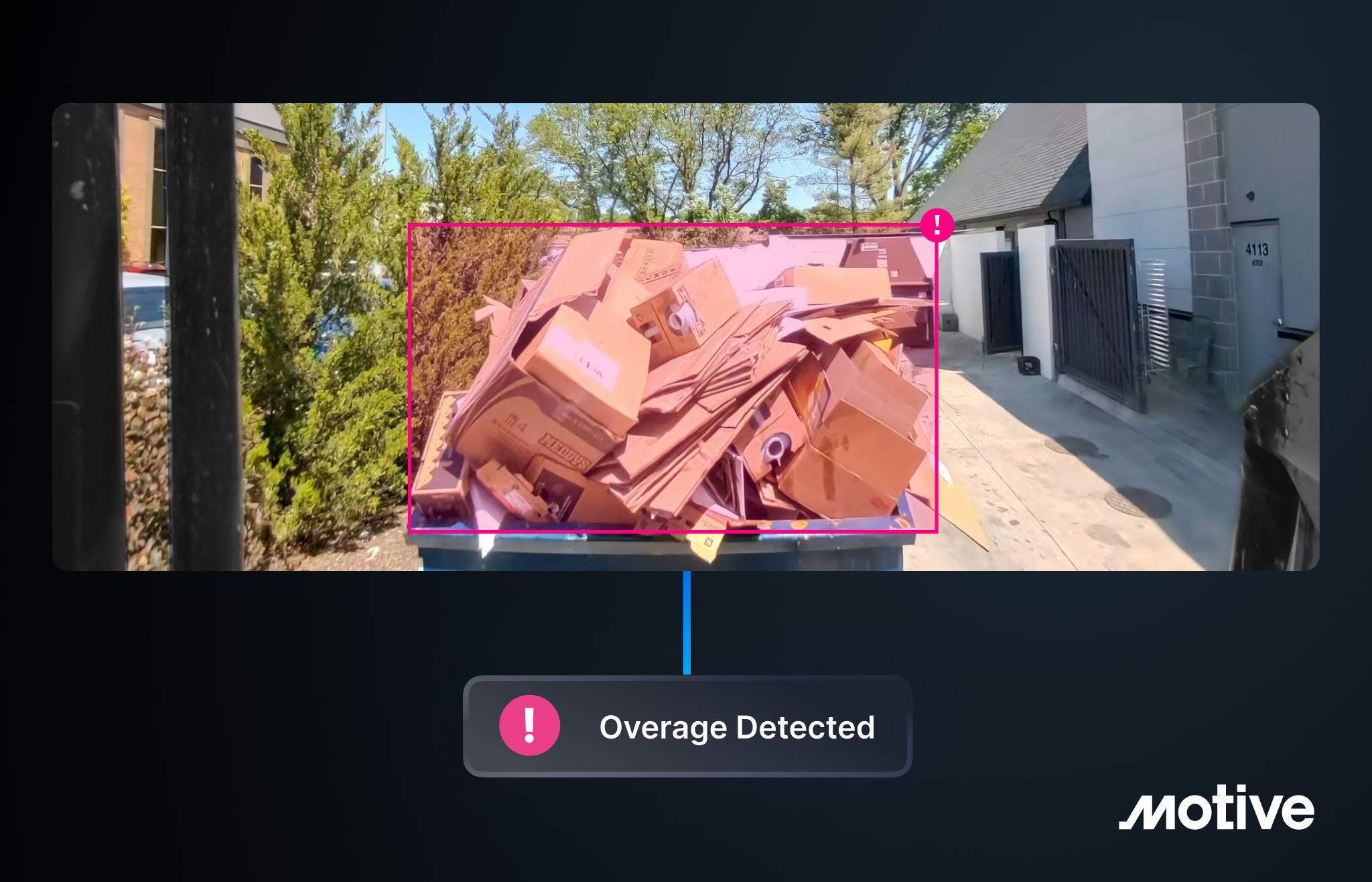
The company also expanded its AI Vision technology, which uses computer vision to convert video footage into structured operational data. The platform can automatically identify and record hazards, service issues and site conditions, reducing the need for manual reporting across industries including logistics, construction, waste management and public infrastructure.
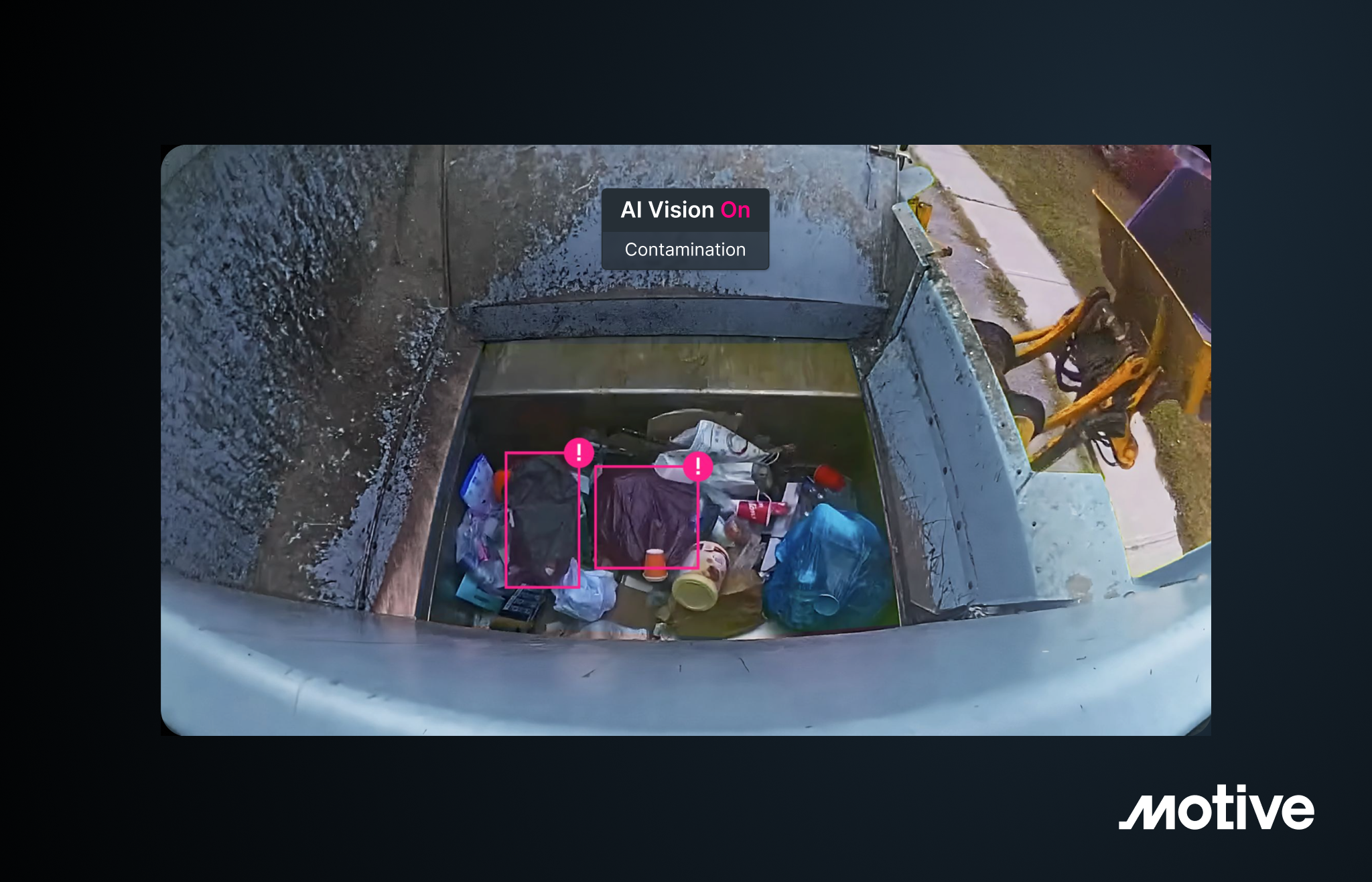
For waste management operators, AI Vision includes specialised capabilities such as overfilled container detection, recycling contamination identification and service verification. These tools help organisations improve operational efficiency, automate billing processes and generate additional revenue opportunities.
Wayne Dawkins, Fleet Manager at VAD Commercials Limited, said: “Motive has fundamentally shifted how we safeguard our drivers and manage our fleet.
“By integrating real-time detection with immediate action, the platform allows us to operate more safely, productively and profitably every single day. We have moved beyond simply identifying risk to proactively preventing it, and the new capability will help unlock even more as it helps us prevent more collisions and remove manual overhead.”
Adhish Luitel, Research Director at ABI Research, added: “Motive isn’t just applying AI, it is generating the proprietary data that powers it.
“By combining hardware, integrated data and proprietary built AI models, Motive moves beyond insight to real-time action in a way many software platforms cannot. The combination of hardware and well-executed AI improves safety and delivers measurable ROI for its customers.”
With fleet operators increasingly seeking ways to improve safety, reduce costs and automate routine processes, Motive’s latest AI-driven innovations demonstrate how connected technology is reshaping the future of physical operations and commercial fleet management.