
US threatens higher tariffs on EU-built vehicles
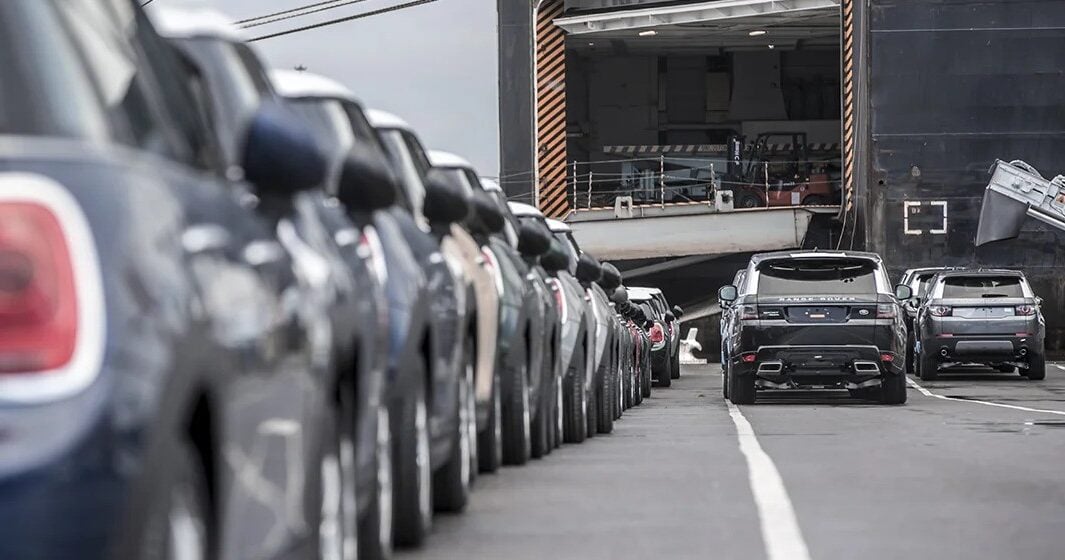
The United States administration’s renewed threat to increase tariffs on vehicles imported from the European Union marks a significant escalation in transatlantic trade tensions. The proposed move, to raise duties from around 15% to 25%, has already unsettled financial markets, alarmed manufacturers, and prompted urgent diplomatic manoeuvring across Europe
Background: A Fragile Trade Framework Under Strain
The dispute centres on a 2025 US–EU trade agreement, which capped tariffs on most goods, including automobiles, at 15%. The US administration now argues that the EU has failed to comply fully with the deal. President Donald Trump stated the bloc “is not complying with our fully agreed to Trade Deal,” signalling his intention to impose higher duties.
European officials reject this claim, insisting they are implementing the agreement through standard legislative procedures. A European Commission spokesperson emphasised the bloc remains “fully committed to a predictable, mutually beneficial” relationship but will keep “options open to protect EU interests.”
This disagreement reflects deeper tensions. Trade has become entangled with geopolitical disputes, including disagreements over military cooperation and wider global conflicts, further complicating negotiations.
Market Impact and Industry Exposure
Financial markets reacted swiftly to the tariff threat. Shares in major European carmakers fell by around 2–3%, while the broader European auto index declined.
The automotive sector is particularly exposed due to its reliance on exports to the United States. Analysts estimate the tariffs could cost German manufacturers billions in operating profits, with some projections suggesting losses of up to €2.6 billion.
Economists warn of broader macroeconomic consequences. One estimate suggests Germany alone could see GDP losses of up to €15 billion, rising further over time if tariffs persist.
Reaction from Manufacturers
Automakers have so far responded cautiously but with clear concern. Industry groups warn that higher tariffs could undermine previous trade agreements and disrupt investment planning.
One likely outcome is a shift in production strategies. The US administration has explicitly suggested that tariffs are intended to “force” manufacturers to move production to the United States.
Some firms have already begun adapting. European manufacturers such as Volkswagen have expanded US production capacity in recent years, and further localisation may accelerate if tariffs rise.
However, not all brands are equally positioned. Premium marques with limited US manufacturing footprints such as Porsche and certain Audi models are more vulnerable and may face higher costs or reduced competitiveness.
Government Responses: Diplomacy and Defiance
European governments have responded with a mix of caution and criticism. German Chancellor Friedrich Merz warned that Germany would be among the hardest hit and stressed the urgency of resolving the dispute.
At the same time, EU officials have signalled resistance to what they see as unilateral US action. Bernd Lange, chair of the European Parliament’s trade committee, described the move as “unacceptable” and evidence that the United States is an “unreliable” partner.
France has taken a more measured tone. Finance Minister Roland Lescure said he wanted to “look through the noise” and focus on completing the agreement through democratic processes.
Behind the scenes, EU member states are working to finalise their side of the trade deal in an effort to avoid the tariff hike altogether. However, internal divisions over safeguards and implementation have slowed progress.
Likely Outcomes: Escalation or Accommodation?
Several scenarios could emerge from the current standoff.
In the short term, a negotiated settlement remains the most likely outcome. Both sides have strong incentives to avoid a full-scale trade conflict, given the scale of transatlantic commerce worth approximately €1.7 trillion annually.
However, if tariffs are implemented, the consequences could be significant. Higher vehicle prices in the US market are likely, as manufacturers pass on increased costs to consumers. This could dampen demand and reduce export volumes from Europe.
A second likely outcome is supply chain realignment. Automakers may accelerate investment in US production facilities to circumvent tariffs, reshaping global manufacturing patterns over the longer term.
There is also the risk of retaliation. The EU has indicated it is assessing its options and could respond with countermeasures, raising the prospect of a broader trade dispute.
Finally, the dispute may further erode trust in international trade agreements. As one analyst noted, such deals risk becoming “vaporware” if they depend on political goodwill rather than enforceable commitments.
Conclusion
The US threat to raise tariffs on EU-built vehicles highlights the fragility of modern trade agreements in an increasingly politicised global economy. While negotiations may yet avert the most severe consequences, the episode underscores deeper structural shifts towards protectionism, regionalised production, and heightened geopolitical risk.
For manufacturers and governments alike, the challenge will be balancing short-term disruption with long-term strategic adaptation in a rapidly changing trade landscape.
Mark Salisbury, Editor