
Volkswagen considers factory closures and 100,000 job cuts
Volkswagen is considering the closure of four factories and cuts of up to 100,000 jobs in what could become the biggest restructuring in the company’s history, according to a report by Manager Magazin. The proposed overhaul reflects mounting pressure from Chinese electric vehicle manufacturers, weak European demand and the costly transition to electrification.
The German carmaker has not confirmed the specific figures, but a company spokesperson acknowledged that sweeping changes are being considered. “The entire group, including its brands and subsidiaries, must undergo far-reaching change,” the spokesperson said.
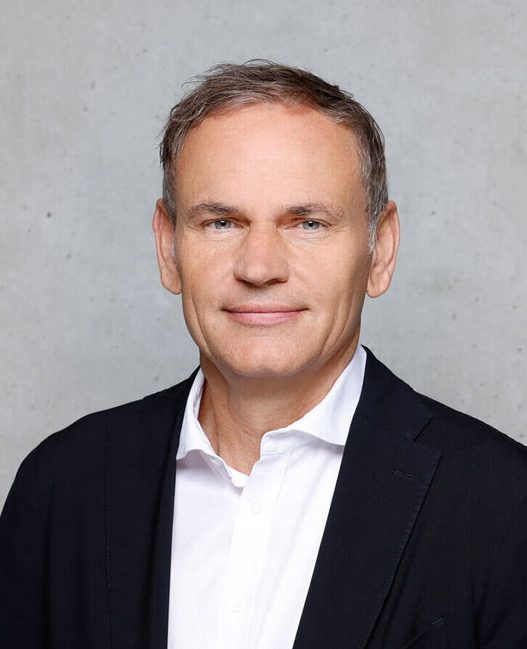
Manager Magazin reported that chief executive Oliver Blume presented plans to senior executives that could involve shutting factories in Hanover, Zwickau and Emden, along with Audi’s site in Neckarsulm. The closures would put more than 45,000 jobs at risk and add to the 50,000 reductions already agreed with unions in late 2024.
Why Volkswagen is considering plant closures
Volkswagen has been losing ground in China, once its most profitable market. Chinese manufacturers such as BYD, SAIC Motor and Chery have rapidly expanded their market share with lower-cost electric models and advanced software capabilities.
The company is also grappling with high labour and energy costs in Germany and uncertainty over tariffs affecting exports. Reuters reported that Volkswagen plans to reduce investment by 15 per cent to €130 billion over the next five years while exploring broader structural changes across the group.
Industry analysts say the pressure is unprecedented. Citigroup and AlphaValue have warned that Volkswagen faces a combination of intense Chinese competition, sluggish European demand and regulatory costs linked to the electric vehicle transition.
Union resistance expected
Any attempt to close German factories is likely to face fierce opposition from labour representatives. Volkswagen’s works council and the powerful IG Metall union issued a joint warning after the report emerged, “Should such plans go ahead, we would do everything in our power to prevent them.”
The unions have significant influence over corporate decisions through Germany’s co-determination system, and the state of Lower Saxony, Volkswagen’s second-largest shareholder, has historically opposed major domestic plant closures. Reuters noted that previous attempts by management to impose deeper cuts met strong resistance from labour representatives and regional politicians.
Oliver Blume under pressure
Blume, who became Volkswagen Group chief executive in 2022, is under increasing pressure to restore profitability. The company’s earnings have been hit by declining sales in China and slower-than-expected demand for electric vehicles in Europe.
According to reports, management is targeting billions of euros in annual savings by 2030. The restructuring could include reducing global production capacity and simplifying the group’s complex brand structure.
Volkswagen shares have fallen sharply following the reports, with investors concerned about the scale of the proposed overhaul and the political obstacles to implementing it.
Wider industry reaction
The potential cuts have intensified debate about the future of Europe’s automotive industry. Chinese manufacturers continue to expand aggressively in Europe, while companies such as Tesla are investing in additional capacity. Reuters reported that Tesla plans to hire around 1,000 workers and increase production at its Berlin Gigafactory, highlighting the contrasting fortunes of the two manufacturers.
Automotive analysts say Volkswagen’s predicament is emblematic of the challenges facing traditional European carmakers. The rapid rise of Chinese electric vehicle brands has compressed margins and accelerated the need for cost reductions.
One analyst quoted by Reuters said Volkswagen had been overtaken by BYD in China and was now fighting to defend its position in Europe as well.
What happens next?
The reported proposals are expected to be discussed by Volkswagen’s supervisory board in July. While no final decision has been announced, the scale of the potential restructuring suggests the company is preparing for a fundamental reshaping of its German operations.
For workers, suppliers and regional economies, the stakes are enormous. For Volkswagen, the outcome may determine whether Europe’s largest carmaker can remain competitive against a new generation of Chinese electric vehicle manufacturers.
The company insists that discussions are ongoing, but the message from management is clear: Volkswagen believes significant change is unavoidable if it is to compete in an industry being reshaped by electrification, software and Chinese rivals.