

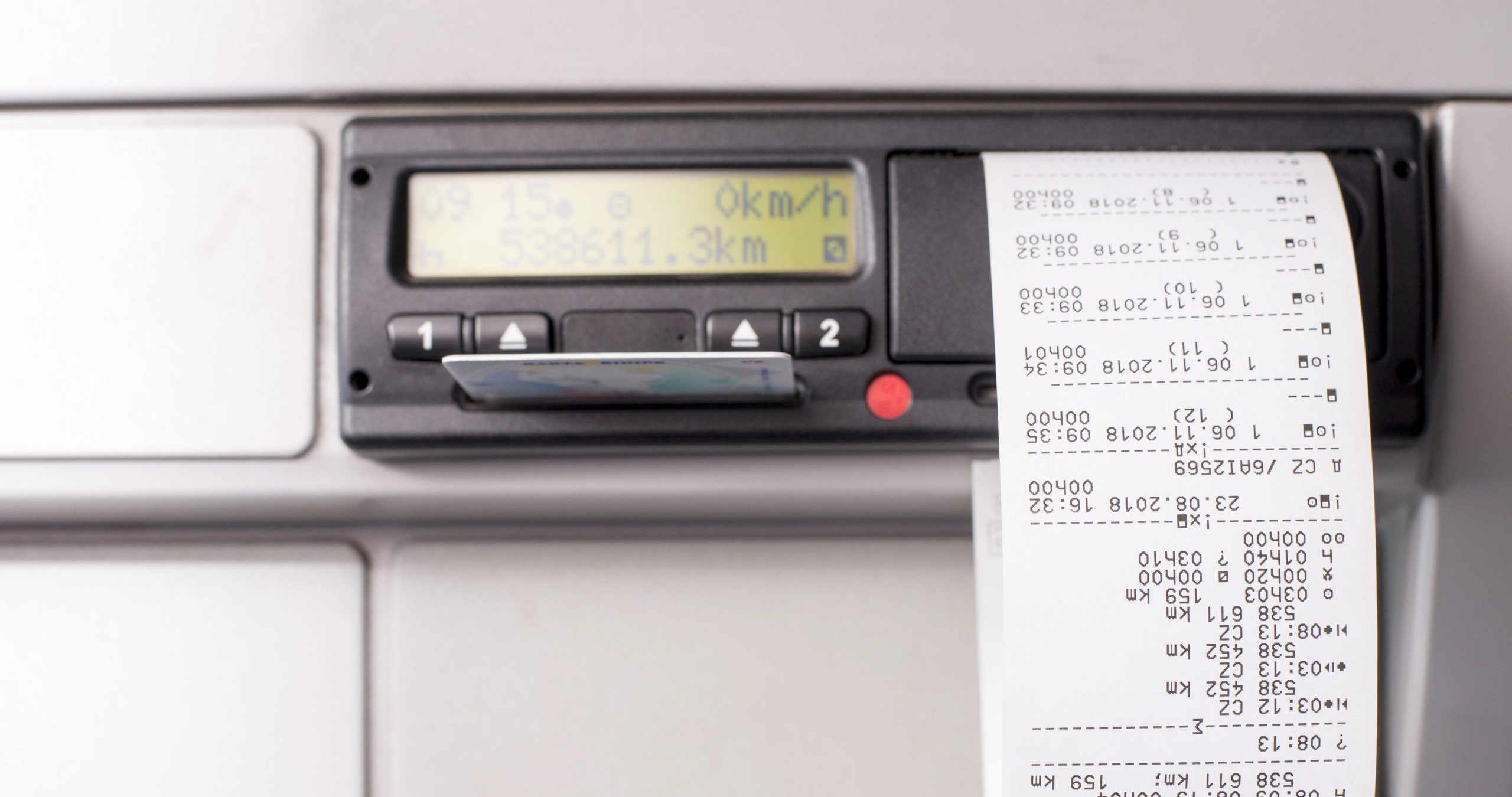
Tachograph rules change: what operators need to know
From 1st July 2026, significant changes to tachograph requirements have come into force across the UK and EU road transport sector, primarily affecting international haulage operations using light commercial vehicles. The changes form part of the ongoing rollout of the “Smart Tachograph 2” system and mark a key expansion in scope for enforcement of drivers’ hours compliance.
The most important update is that goods vehicles with a gross vehicle weight of over 2.5 tonnes, used for international journeys for hire and reward, must now be fitted with a full Smart Tachograph 2 unit. This requirement extends tachograph obligations to a wider category of smaller commercial vehicles than before, reflecting efforts to close regulatory gaps that previously existed in cross-border transport operations.
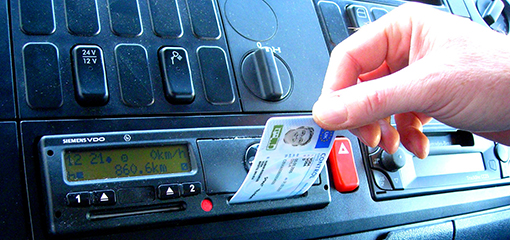
This change does not apply universally to all vans and light goods vehicles. Vehicles between 2.5 and 3.5 tonnes that operate solely within the UK remain outside the scope of mandatory tachograph fitment. Likewise, where the vehicle is used for “own account” transport and driving is not the driver’s main activity, the requirement may not apply. However, once a vehicle crosses borders for commercial haulage, compliance becomes mandatory under the updated rules.
The change also builds on earlier phased deadlines. From December 2025, newly registered goods vehicles already require a full Smart Tachograph 2, replacing older transitional units in new builds. The new rule effectively extends this stricter standard to a broader group of existing operational vehicles entering international service, ensuring consistent enforcement across fleets engaged in cross-border logistics.
What has actually changed?
In practical terms, operators now need to ensure that any eligible vehicle undertaking international journeys is fitted with a full Smart Tachograph 2, rather than older digital systems or transitional smart units. The key technical distinction is that the full version includes enhanced security and location verification features, including Galileo satellite-based positioning, which strengthens enforcement of route tracking and border crossing data.
The transition is designed to improve the accuracy of compliance monitoring, reduce fraud, and align enforcement across EU member states and closely regulated international transport corridors. Regulators argue that older systems were increasingly inadequate for modern enforcement needs, particularly in relation to cross-border logistics and cabotage operations.
Industry commentary in the run-up to implementation has highlighted concerns around cost and operational disruption. Transport operators have noted that retrofitting tachographs and upgrading fleet systems can cost several thousand pounds per vehicle once installation and downtime are included, particularly for mixed fleets operating across multiple jurisdictions. These concerns have been widely discussed in industry forums, where operators also warn of increased administrative burden linked to compliance checks and data downloads.
Consequences of non-compliance
Failure to comply with the updated tachograph requirements can have serious legal and financial consequences for operators and drivers. Enforcement agencies such as the Driver and Vehicle Standards Agency (DVSA) treat tachograph offences as a major compliance breach because they directly relate to drivers’ hours regulations and road safety obligations.
Operating a vehicle that should be fitted with a Smart Tachograph 2 without one can result in fixed penalties, prohibition notices, and in serious cases, vehicle immobilisation. Persistent or deliberate non-compliance may also lead to operator licence action, including the suspension or revocation of an operator’s licence.
Drivers themselves can also face fines and penalties if they are found to be operating a vehicle without the correct recording equipment or failing to maintain proper records. In addition, infringement history is stored digitally and may affect a driver’s professional record, potentially impacting future employment opportunities within the transport sector.
From an operator perspective, compliance failures can also have indirect commercial consequences. Delays caused by roadside enforcement, vehicle prohibitions, or impoundment can disrupt supply chains and lead to contractual penalties from clients, particularly in time-sensitive logistics sectors.
Industry reaction and wider implications
The freight and logistics sector has broadly accepted that the move towards Smart Tachograph 2 is part of a long-term regulatory shift towards tighter digital enforcement. However, concerns remain about readiness across smaller operators, particularly those running mixed fleets or light commercial vehicles that are now newly in scope for international work.
Industry commentary in transport communities has highlighted uncertainty among smaller operators who previously operated below tachograph thresholds but now find themselves subject to international compliance rules. Discussions among drivers suggest that the change could reduce the competitiveness of smaller cross-border operators due to increased administrative and equipment costs.
At the same time, regulators and safety advocates argue that the expansion improves fairness across the sector. By ensuring that all international operators are subject to the same monitoring standards, the rules are intended to reduce instances of driver fatigue, unfair competition, and regulatory avoidance.
Conclusion
The tachograph rule change represents a significant tightening of compliance requirements for international road transport, particularly affecting light goods vehicles over 2.5 tonnes. While UK-only operations remain largely unaffected, any operator engaged in cross-border haulage must ensure full Smart Tachograph 2 compliance.
The consequences of getting it wrong are severe, ranging from roadside prohibitions to operator licence action and financial penalties. As enforcement technology becomes more advanced, compliance is increasingly not just a legal requirement but a core operational necessity for any business involved in international logistics.