
The transition to electric vans is no longer experimental; fleets are really starting to electrify their operations. More operators are facing mounting pressure to cut costs, meet corporate sustainability commitments and navigate tightening urban emissions rules.
Last year the UK market reflected this reality, with 30,169 eLCVs sold, a 36.2% year‑on‑year increase. These numbers aren’t driven purely by green credentials. They are being driven by commercial logic. Calum James, General Manager, Farizon Auto UK, discusses why now is the right time for fleets to seriously consider a move to electric vans.
This starts with total cost of ownership. While purchase prices for eLCVs often remain higher than ICE equivalents, lower energy costs and simpler servicing materially alter lifetime economics. Charging on off‑peak tariffs can reduce “fuel” costs significantly; studies regularly show electric vans operating at c.3–5p per mile versus c.10–14p for diesel. Servicing is typically 30 – 40% cheaper*, and incentives, emission‑zone exemptions and favourable tax treatment further improve the case.
Operational reality matters more than marketing claims. Nearly 51% of vans operate within 15 miles of base, and roughly one-in-three covers around 80 miles a day**. For these duty cycles, electrification is straightforward. But a critical and often underestimated constraint is home charging. Many van drivers cannot reliably charge overnight at their homes because of on‑street parking, shared or rented accommodation, landlord restrictions, or lack of hardstanding. This cohort depends on depot charging and a resilient public network, so any fleet electrification strategy must be built around realistic access to chargers, not optimistic assumptions about domestic overnight charging.
Public charging has improved: the UK now has over 73,000 public charge points, approximately 20% of which provide more than 50 kW. Yet availability, charger reliability and charge‑speed at convenient locations remain practical limiting factors for fleets that require high utilisation. In this context, vehicle charging capability is as important as the quoted range. Practical metrics to scrutinise are usable WLTP range in mixed use, how rapidly a vehicle accepts high power, and how that maps to depot charging windows.
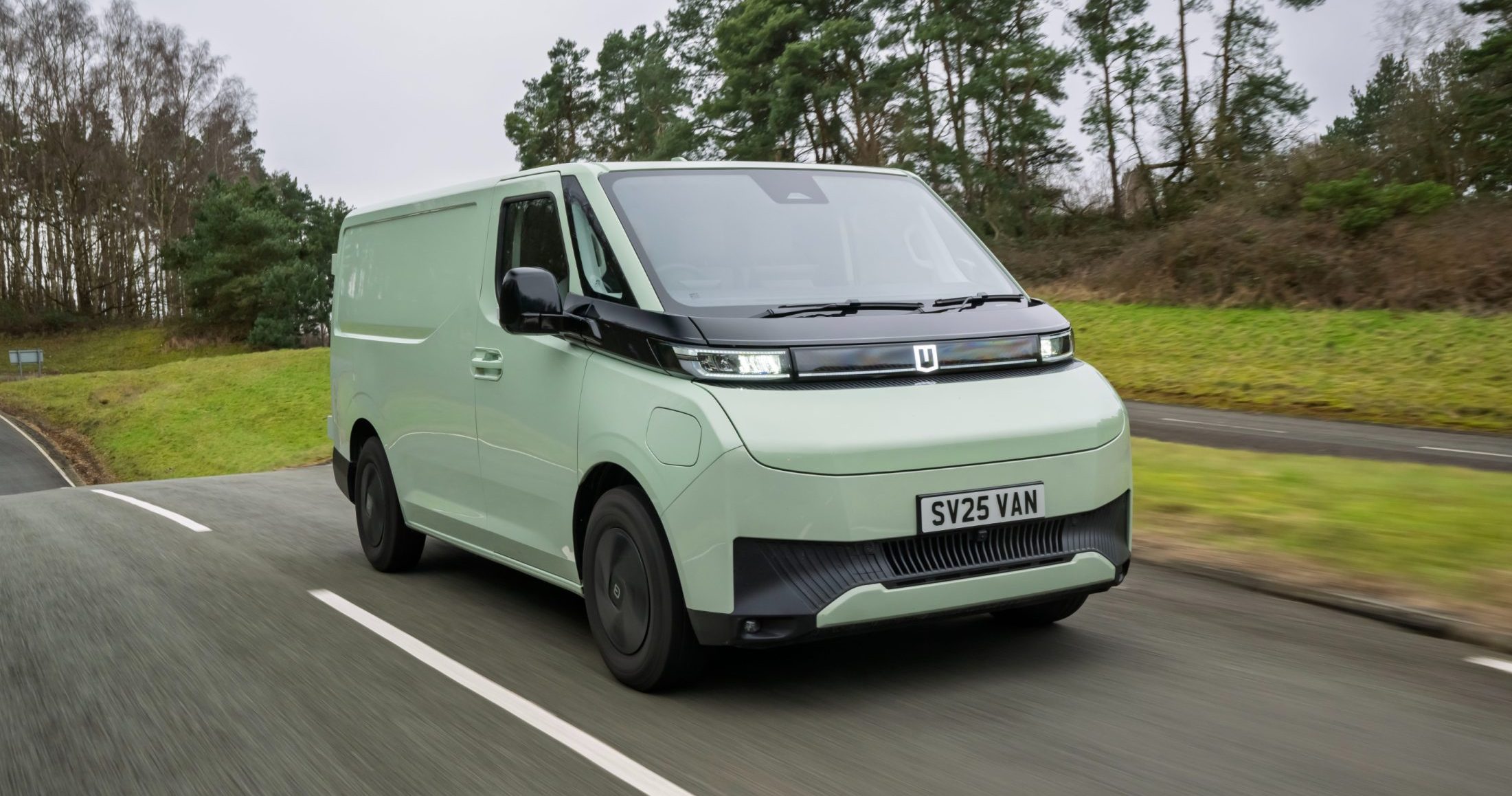
Take, for example, a born-electric eLCV such as the Farizon SV, which offers around 247 miles WLTP combined range, and can accept high‑power DC charging that typically takes the battery from 20–80% in about 36 minutes at up to 140 kW. For operators structuring depot‑first operations with occasional longer runs, that combination expands feasible route profiles without complex operational workarounds.
Electrification is a systems decision, not a simple one‑for‑one swap. Begin with duty‑cycle analysis, check depot and public charging access, model whole‑life cost, and be conservative on range and residual‑value assumptions. For drivers who cannot charge at home, prioritise charging strategy and vehicles that accept high power quickly; for dispersed, high‑mileage routes, ensure robust public‑network contingencies are in place where top-ups are required. Driver engagement and education is key to ensuring the smooth adoption of eLCVs into your fleet.
As electrification matures, advantage will go to organisations that treat vehicle choice as part of an integrated operational design rather than a checkbox exercise. Driver engagement and marrying realistic charging assumptions with whole‑life economics and use-case fit, is the most reliable way to realise to realise the commercial and environmental benefits of eLCVs.