
Digital twin technology is transforming the automotive industry
Digital twin technology is rapidly reshaping the automotive industry, enabling manufacturers to move beyond traditional physical testing towards predictive virtual simulations that identify faults before they occur. As vehicles become increasingly complex, incorporating advanced software, electrified powertrains and autonomous systems, digital twins are emerging as a critical tool for improving quality, accelerating development and reducing costs.
A digital twin is a virtual representation of a physical object, process or system that is continuously updated using real-world data. In automotive applications, a digital twin can model an individual component, an entire vehicle, a production line or even a complete factory. By combining sensor data, artificial intelligence, machine learning and simulation software, manufacturers can monitor performance, test scenarios and predict outcomes in a digital environment before making changes in the physical world.
Traditionally, automakers relied heavily on physical prototypes and real-world testing to identify design flaws and manufacturing issues. While effective, this approach is expensive, time-consuming and often reactive, with problems only becoming apparent after significant investment. Digital twins are changing that dynamic by allowing engineers to simulate thousands of scenarios virtually, uncovering potential failures much earlier in the development cycle.
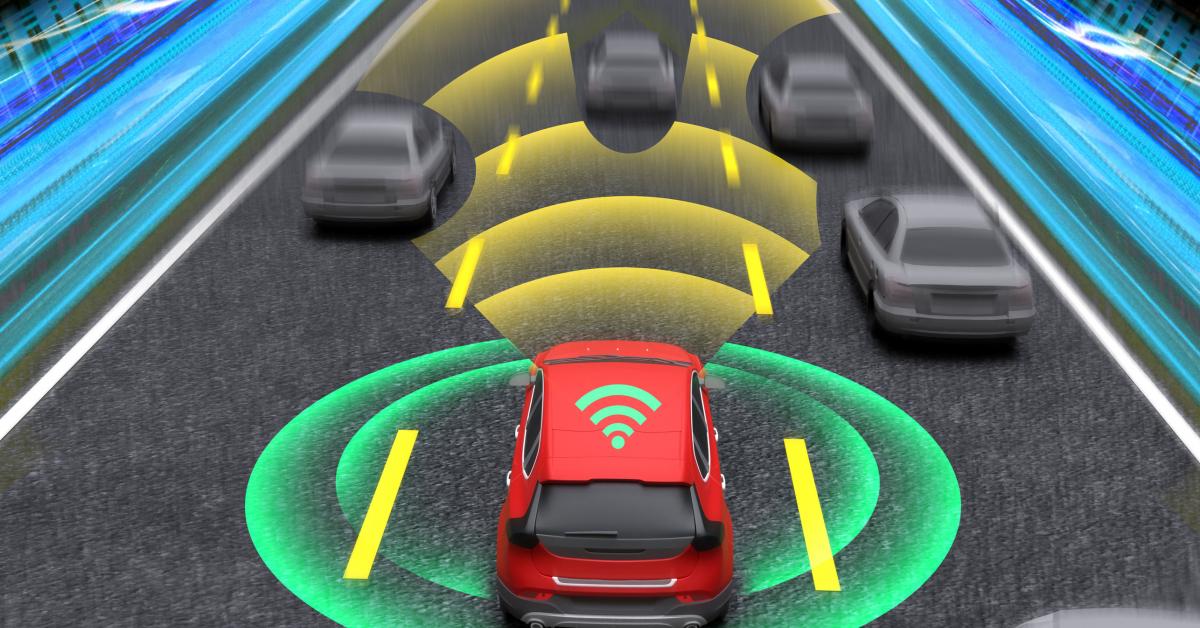
The technology is proving particularly valuable in vehicle testing. Engineers can create highly detailed digital models of vehicles and subject them to virtual crash tests, durability assessments, aerodynamic analysis and performance simulations. In the rapidly evolving field of autonomous driving, digital twins allow manufacturers to test vehicles against countless traffic, weather and road conditions that would be impossible to replicate physically at scale. Researchers note that digital twin-driven testing significantly expands scenario coverage and improves the identification of safety-critical issues.
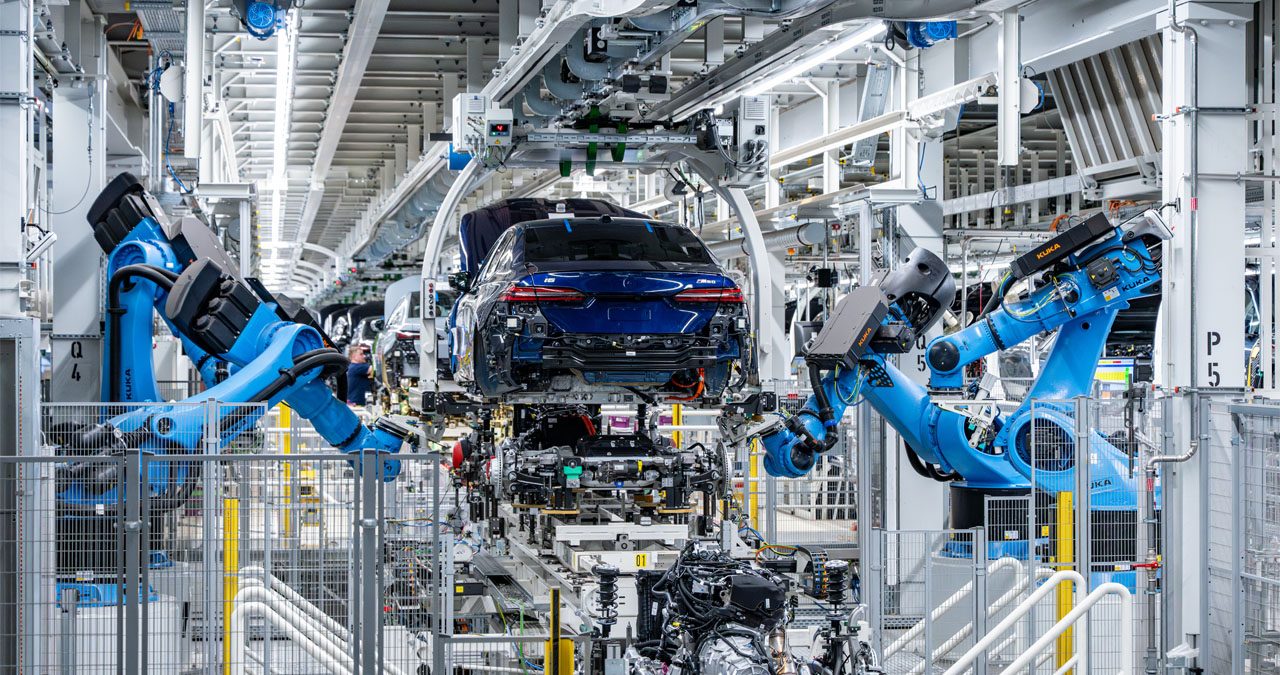
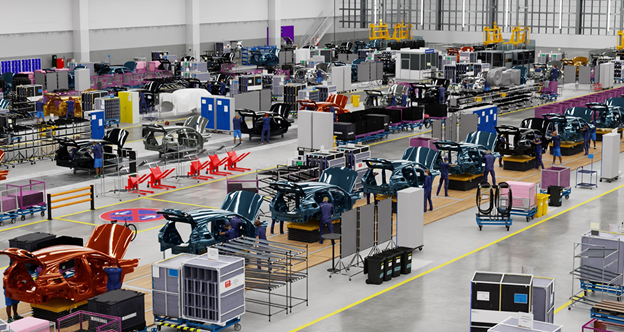
Beyond vehicle development, digital twins are transforming automotive manufacturing. Modern factories generate vast amounts of operational data from machines, robots and production systems. By creating a virtual replica of the factory, manufacturers can optimise workflows, test layout changes and identify bottlenecks before implementing modifications on the shop floor.
BMW has become one of the most prominent adopters of the technology. The company uses digital twins to simulate entire production facilities, including interactions between workers, robots and machinery. According to Michele Melchiorre, Senior Vice President for Production Systems, Technical Planning and Tool Shop at BMW Group, digital twins support the company’s ambition to become more “lean, green and digital”, describing the technology as a “revolution in factory planning.”
The automaker has used virtual factory models to plan and validate production processes years before manufacturing begins. At its Debrecen plant in Hungary, BMW employed digital twins to simulate production systems before launching vehicle assembly, enabling engineers to optimise workflows and detect issues early.
“This will be the first plant where we will have a complete digital twin much before production starts,” Melchiorre said.
In the future, the iFACTORY will be real in all of BMW’s plants, Melchiorre explained, from BMW’s 100-year-old home plant in Munich to its forthcoming plant in Debrecen, Hungary.
“This is our production network, not just one factory – each and every plant will go in this direction, every plant will develop into a BMW iFACTORY, this is our master plan for our future.”
Technology providers are equally bullish about the future. Rev Lebaredian, Vice President of Omniverse and Simulation Technology at NVIDIA, said: “If you can construct a virtual world that matches the real world in its complexity, in its scale and in its precision, then there are a great many things you can do with this.” He added that linking physical and digital environments enables organisations to gain “amazing superpowers.”
One of the most significant benefits of digital twins is predictive failure detection. Rather than waiting for a component or machine to fail, manufacturers can analyse data from digital models to identify anomalies and forecast maintenance requirements. Recent automotive research has shown that digital twins can support predictive maintenance by continuously monitoring critical components and detecting potential failures before they cause downtime.
The impact extends across supply chains as well. Digital twin frameworks are increasingly being used to improve quality assurance and supply chain resilience by providing greater visibility into operations and enabling organisations to model disruptions before they occur. This predictive capability helps manufacturers respond more effectively to changing market conditions and operational risks.
As automotive manufacturers continue their transition towards software-defined vehicles and increasingly automated production facilities, digital twins are becoming central to decision-making. Industry leaders are leveraging virtual environments to test products, optimise factories and predict failures before they occur, reducing reliance on costly physical trials.
The result is a fundamental shift from reactive problem-solving to proactive optimisation. By enabling engineers to identify issues earlier, improve manufacturing efficiency and accelerate innovation, digital twin technology is helping to define the next generation of automotive development and production.