

Most sales databases tell a supplier which businesses already exist. Operator-licence publications can reveal something more useful: what may be changing now.
Simon Banner, a director of DIGIDENT LTD, identifies five opportunities supplies could access from The Traffic Commissioners for Great Britain publish Applications and Decisions records covering operator-licence activity. These are public regulatory records, not declarations of purchasing intent. Used carefully, however, they can help commercial teams identify organisations that merit timely research.
The difference is context. A company name in a static directory says very little about timing. A new application, variation or operating-centre change provides a reason to investigate why the organisation is changing and whether that change is relevant to the supplier’s offer.
- A NEW OPERATOR-LICENCE APPLICATION
A new application can indicate that an organisation is preparing to run goods vehicles or passenger services under a new licence. That may create future requirements around vehicles, finance, insurance, compliance, maintenance, training, fuel, telematics and associated services.

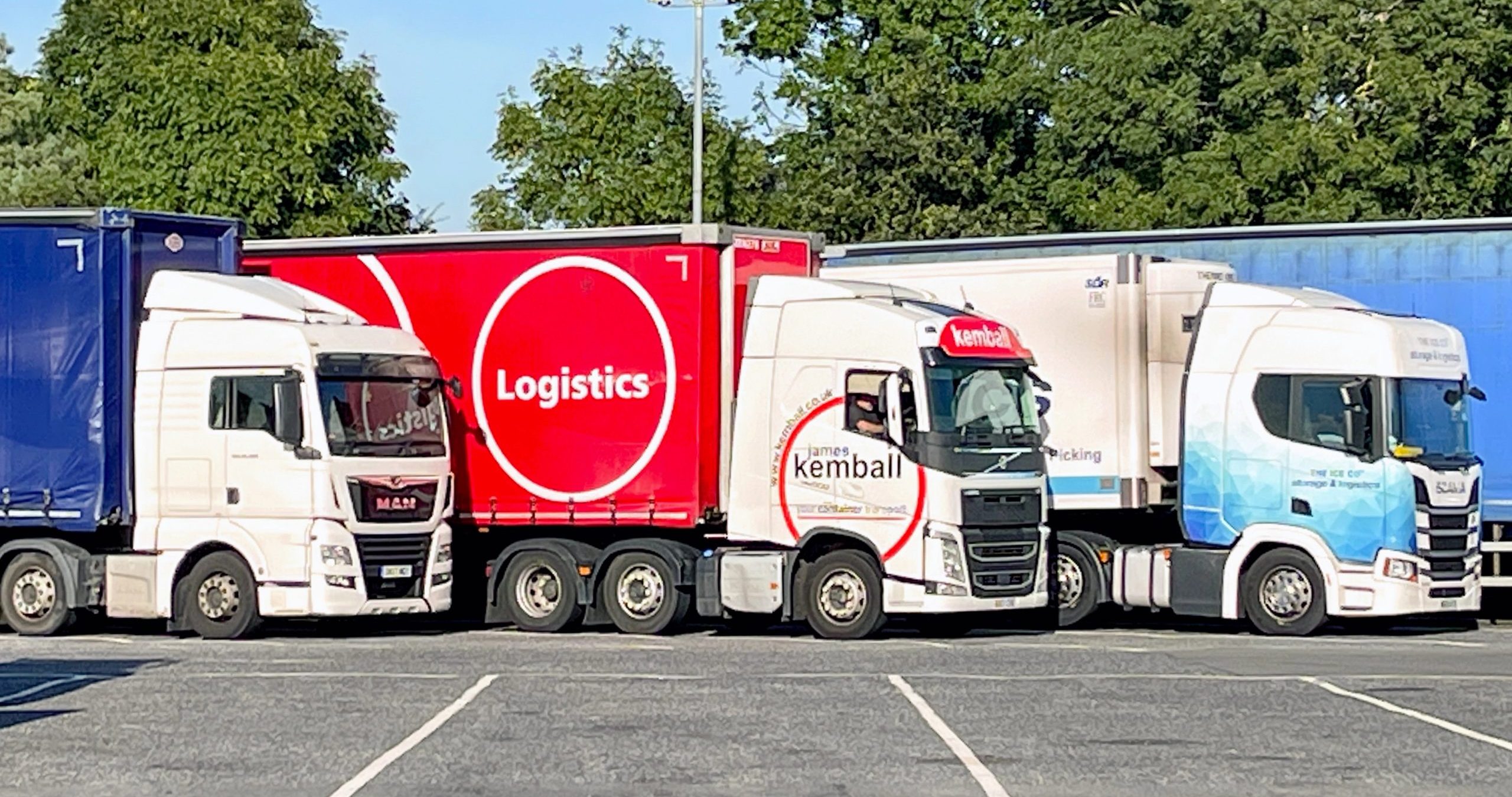
Image: DIGIDENT LTD
It should not be treated as a guaranteed purchase. The application may be refused, withdrawn or amended. The sensible next step is to verify the publication, research the organisation and determine whether the supplier has a relevant reason to make contact.
- AN INCREASE IN AUTHORISED VEHICLES OR TRAILERS
A variation seeking additional vehicle or trailer authority can be consistent with expansion, a contract change, fleet restructuring or a need for additional operating flexibility.
For a supplier, the important question is not simply whether the fleet is becoming larger. It is whether the timing, geography and likely operational requirement fit the product or service being offered.
- A NEW OR CHANGED OPERATING CENTRE
Operating-centre activity can reveal a geographic development that an ordinary company database may not highlight promptly. A new site may affect maintenance coverage, charging requirements, local servicing, vehicle storage, compliance arrangements or route planning.
Commercial teams can use the location to prioritise organisations within their service area instead of spending time on businesses they cannot support effectively.
- A MATERIAL LICENCE VARIATION
Not every variation represents growth. Some changes concern vehicle authority, operating centres, licence type or other regulatory details. The value lies in reading the actual record and understanding the nature of the change.
A well-qualified approach should explain why the specific change appears relevant. Generic messages that merely repeat the organisation’s name waste the advantage that timely public information provides.
- A PUBLISHED DECISION OR REGULATORY EVENT
Decisions, public inquiries and related notices can provide operational context, but they require particular care. They should never be converted into sensational claims or used to imply wrongdoing beyond what the official source states.
For compliance advisers and specialist service providers, a published event may identify an organisation that could benefit from appropriate support. Any approach should remain factual, proportionate and sensitive to the nature of the record.
TURNING A PUBLICATION INTO A RESPONSIBLE WORKFLOW
Raw data is only the starting point. A useful workflow should retain a link to the official evidence, record when the item was detected, explain why it may matter and let a commercial team qualify it before contact.
A practical sequence is:
- Verify the original Traffic Commissioner record.
- Check the organisation, geography and current trading position.
- Decide whether the change creates a credible connection to the supplier’s offer.
- Identify an appropriate business contact using public professional information.
- Record the reasoning and outcome so the same organisation is not approached repeatedly.
Public availability does not remove a business’s responsibilities under UK data-protection and electronic-marketing rules. Relevance, transparency, accurate records and respect for objections remain essential.
Operator-licence publications are valuable because they can improve timing. They do not replace judgement. The organisations that benefit most will be those that combine timely monitoring with careful research and a genuinely useful reason for contacting the operator.
See how the live service works: https://fleetstart.digidentai.com/?utm_source=fleetpoint&utm_medium=earned_editorial&utm_campaign=fleetstart_launch