
Breakdown and road safety organisation GEM Motoring Assist is encouraging UK motorists travelling abroad this summer to prepare thoroughly before setting off, warning that fatigue, unfamiliar driving laws and unexpected costs can quickly turn a holiday into a stressful experience.
Research indicates that driver fatigue contributes to as many as 20% of collisions on major roads, with long motorway journeys presenting a particular risk. To stay safe, GEM advises drivers to take a break at least every two hours, remain well hydrated and, where possible, avoid travelling during the hottest part of the day. Sharing driving duties on longer journeys can also help maintain concentration and reduce tiredness.
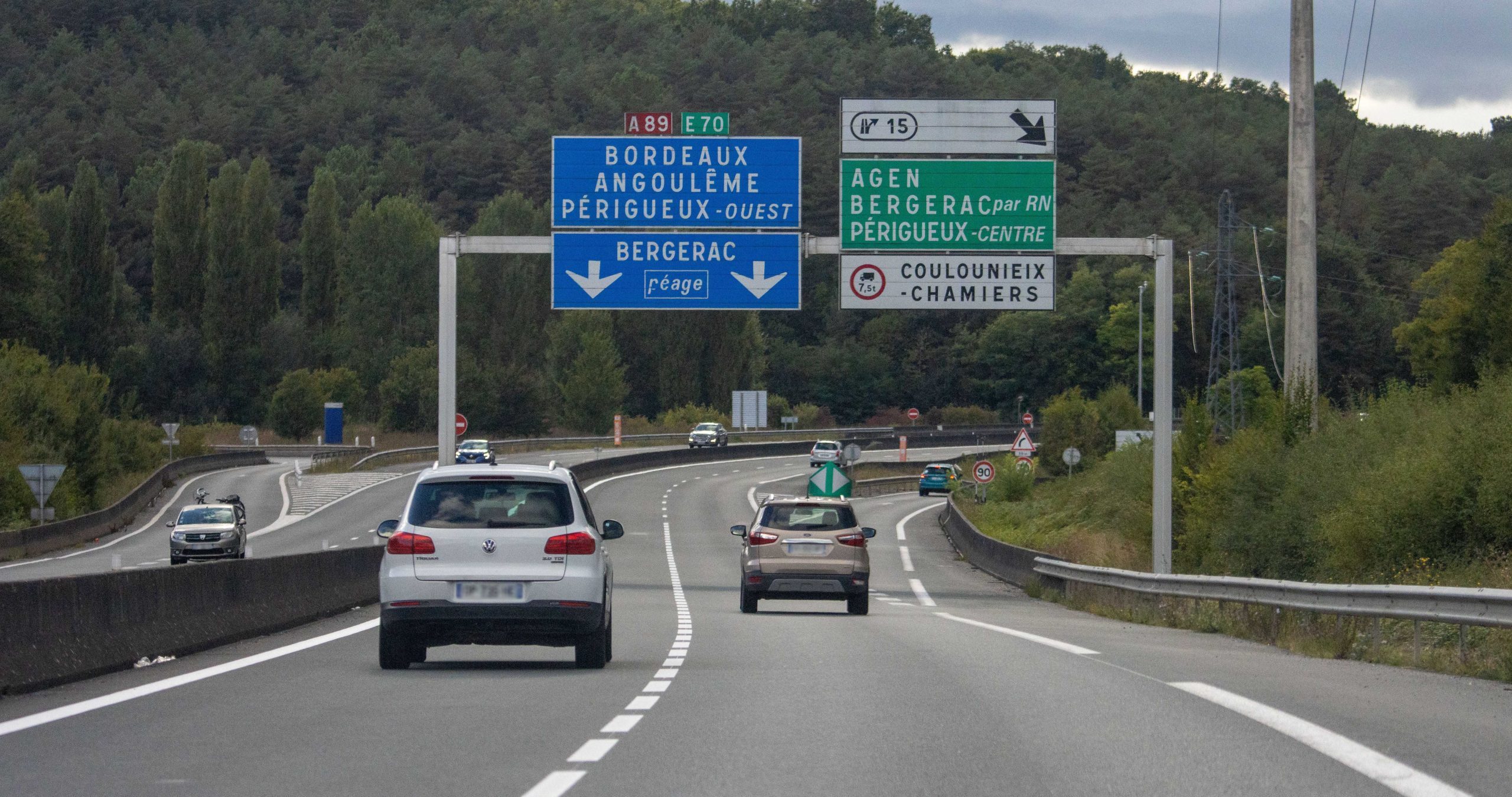
Budgeting is another important consideration for motorists driving across Europe. Toll charges can quickly add up, with a return motorway journey from the UK to southern France easily costing more than £200, depending on the route and vehicle.
Planning your route in advance and understanding how tolls are paid – whether by cash, card or electronic toll tag – can help avoid delays and reduce stress at busy toll plazas.
GEM also recommends familiarising yourself with local driving regulations before crossing the Channel. Speed limits, right-of-way rules, low-emission zones and mandatory safety equipment vary between countries, and failing to comply can result in substantial on-the-spot fines.
Drivers should also ensure they carry all required documents, including a valid driving licence, passport, insurance certificate and vehicle registration documents. Without them, motorists may be unable to continue their journey and, in some cases, their vehicle could be seized until the correct paperwork is produced.
Other common offences that can result in fines include failing to display the correct UK identifier, driving without properly fitted headlamp beam deflectors, entering French low-emission zones without a mandatory Crit’Air vignette, and failing to carry reflective jackets or warning triangles where required. France, for example, requires two warning triangles. Seat belt and child restraint offences can also attract immediate penalties.
James Luckhurst, Head of Road Safety at GEM Motoring Assist, said: “Driving abroad can be an exciting and rewarding experience, but it brings additional risks that shouldn’t be underestimated. Fatigue, unfamiliar road systems and unexpected costs can quickly turn a holiday journey into something stressful and potentially risky.
“The key is preparation – plan your route, understand the rules of the road in each country, and make regular stops to stay alert. A well-prepared driver is a safer driver.”
GEM advises motorists to remember that most European countries drive on the right-hand side of the road, making extra care essential at junctions, roundabouts and motorway slip roads. Drivers should also avoid driving while tired, share the driving wherever possible and allow plenty of time for regular rest stops.
The organisation continues to recommend a zero-alcohol approach for anyone driving abroad, noting that most European countries have lower legal blood alcohol limits than the UK, with some operating zero-tolerance policies for certain categories of driver.
Before travelling, motorists should also check national speed limits, as these vary considerably depending on the country and road type. Carrying the legally required equipment is equally important, with items such as reflective jackets, warning triangles, spare bulbs, first aid kits and specific documentation mandatory in many European countries.
Finally, drivers should be aware of local restrictions, including low-emission zones, city access regulations, priority rules at junctions and daytime running light requirements, all of which differ between countries and can lead to fines if overlooked.
With a little preparation before departure, UK motorists can enjoy a safer, smoother and more enjoyable driving holiday across Europe.