
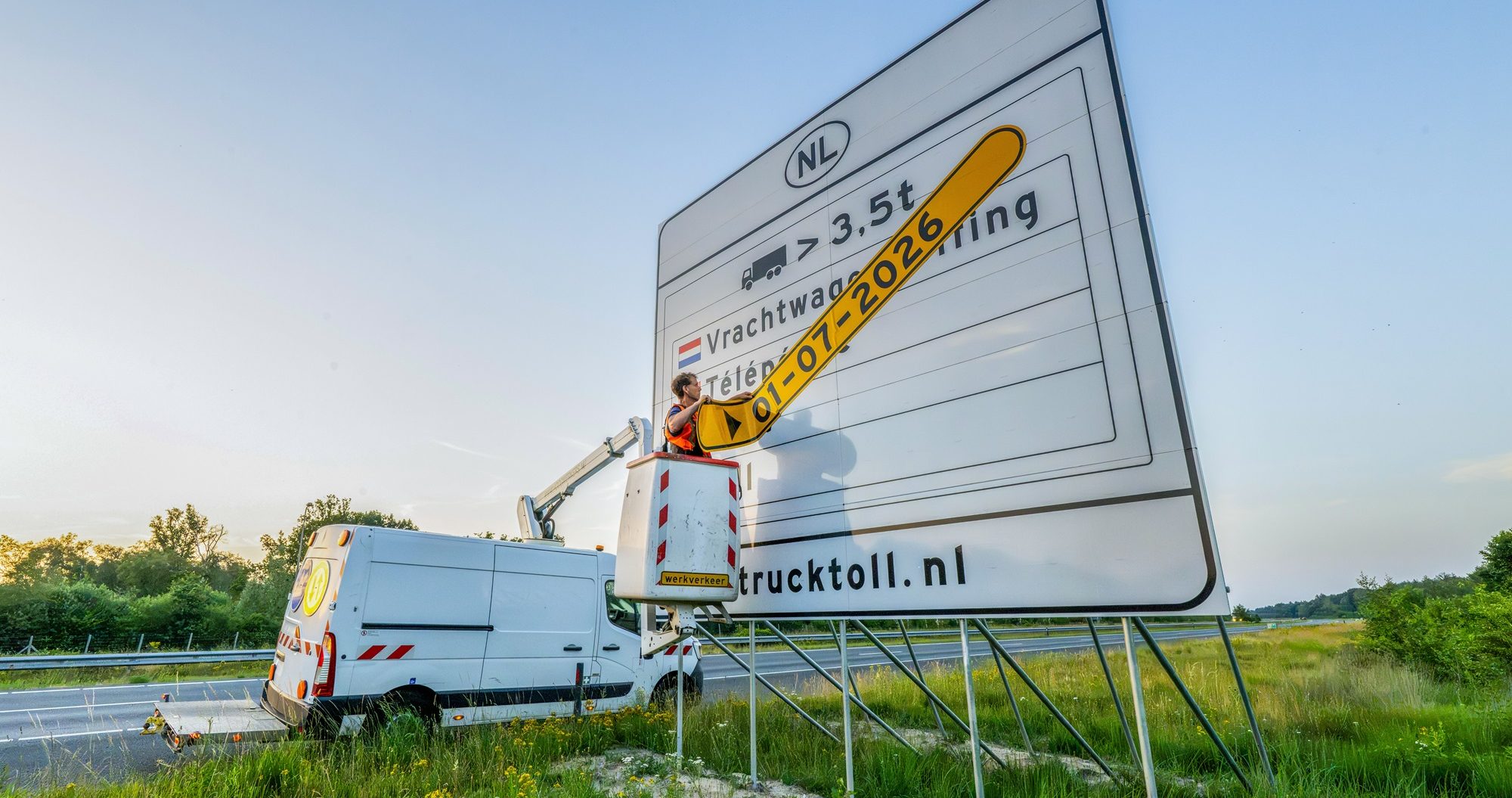
The Netherlands has officially introduced its new truck toll scheme, with Dutch and foreign heavy goods vehicles now pay-per-kilometre to use the country’s road network.
The Dutch truck toll came into effect on 1st July 2026 and applies to almost all motorways, as well as selected provincial and municipal roads. At the same time, the Netherlands has abolished the Eurovignette and reduced fixed charges for trucks as part of a wider overhaul of road transport taxation.
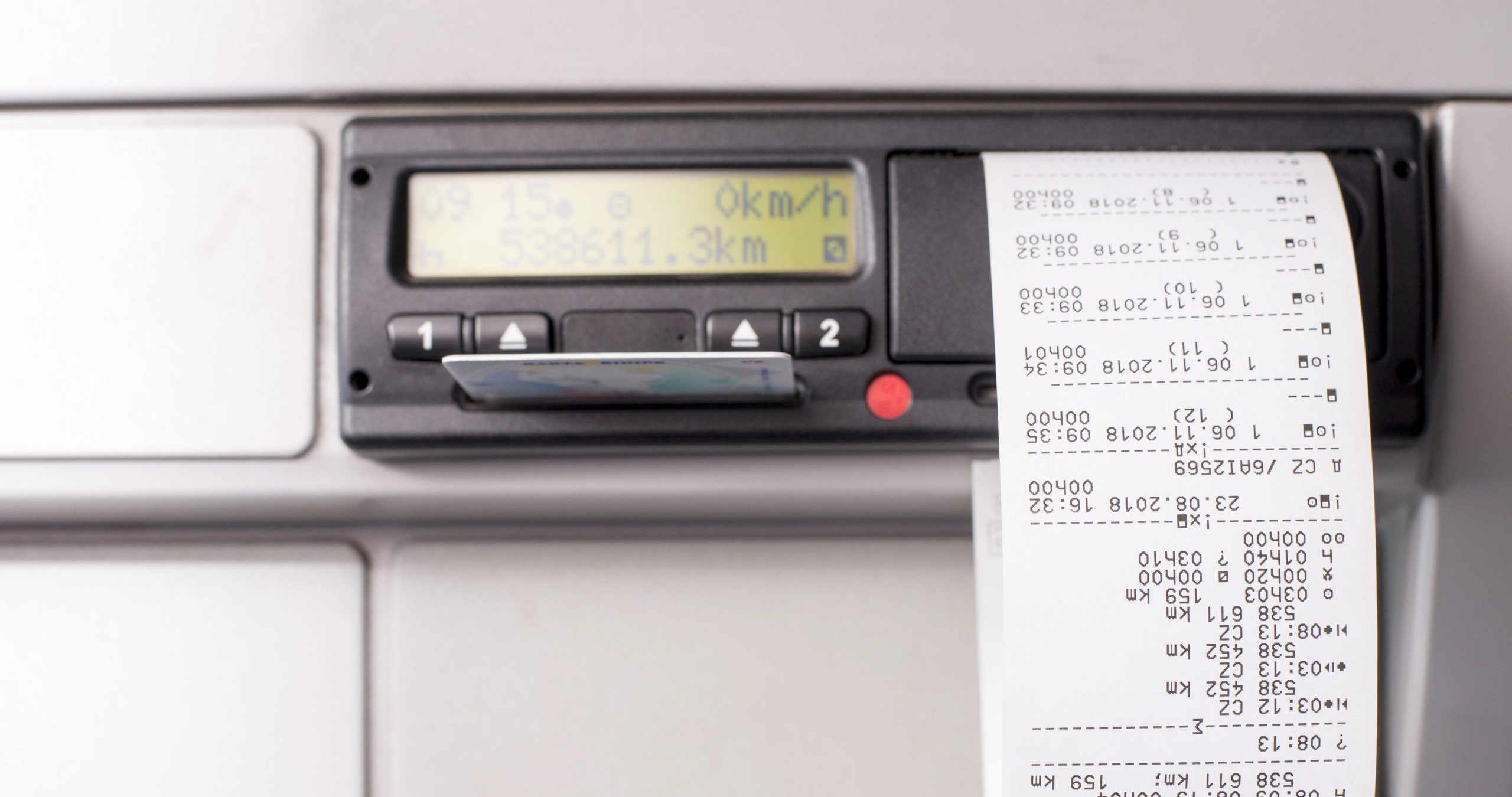
Under the new system, all affected vehicles must be fitted with a working onboard unit (OBU) linked to a contract with an approved toll service provider. The OBU records the distance travelled, enabling operators to pay tolls based on the number of kilometres driven.
Minister Karremans said: “Today is the day we have been working towards. After years of preparation, the Dutch truck toll is now in operation. The vast majority of the revenue generated by the truck toll will be reinvested in the road transport sector. By reinvesting these revenues in the sector, the sector can accelerate the transition to electric vehicles. This not only creates a strong business case for transport operators and improves air quality by reducing CO₂ emissions, but recent developments surrounding the Strait of Hormuz have also shown how important it is to become less dependent on energy imports. This measure contributes to that objective as well.”
The new road charging system replaces the previous fixed-fee model with a distance-based approach, meaning operators now pay according to how far their vehicles travel. Charges are also linked to vehicle weight and emissions, with cleaner and lighter trucks benefiting from lower toll rates.
Alongside the introduction of the new toll, the Eurovignette has been withdrawn in the Netherlands. Motor vehicle tax (MRB) has also been abolished for trucks with a gross vehicle weight of up to 12 tonnes. For heavier vehicles, MRB has been reduced to the European minimum level, while a temporary zero rate will apply from 1 July 2026 until 1 January 2027.
The Dutch government says a significant proportion of the revenue generated by the truck toll will be reinvested in the road freight sector. Funding will be used to support transport operators through grants for zero-emission trucks, charging infrastructure and initiatives that improve transport efficiency.
To further support the industry, a temporary 22.3% reduction in truck toll rates will take effect from 1 September until 31 December 2026. The measure was introduced at the request of the House of Representatives to help offset the impact of rising fuel prices linked to the conflict in the Middle East.
Enforcement of the new system has also begun. A compliant onboard unit is now mandatory for all trucks in vehicle categories N2 and N3 travelling on roads covered by the toll scheme. Compliance will be monitored by the RDW, with operators who fail to meet the legal requirements facing financial penalties.
During the first six months of enforcement, fines for non-compliance will be reduced by 50% to give operators additional time to adapt to the new requirements while ensuring widespread compliance with the scheme.