
Modern car dashboards may look sleek and futuristic, but a growing number of motorists believe touchscreens are making driving less safe. A new survey by Quotezone has revealed that nearly half of UK drivers think touchscreen controls are more distracting than traditional physical buttons.
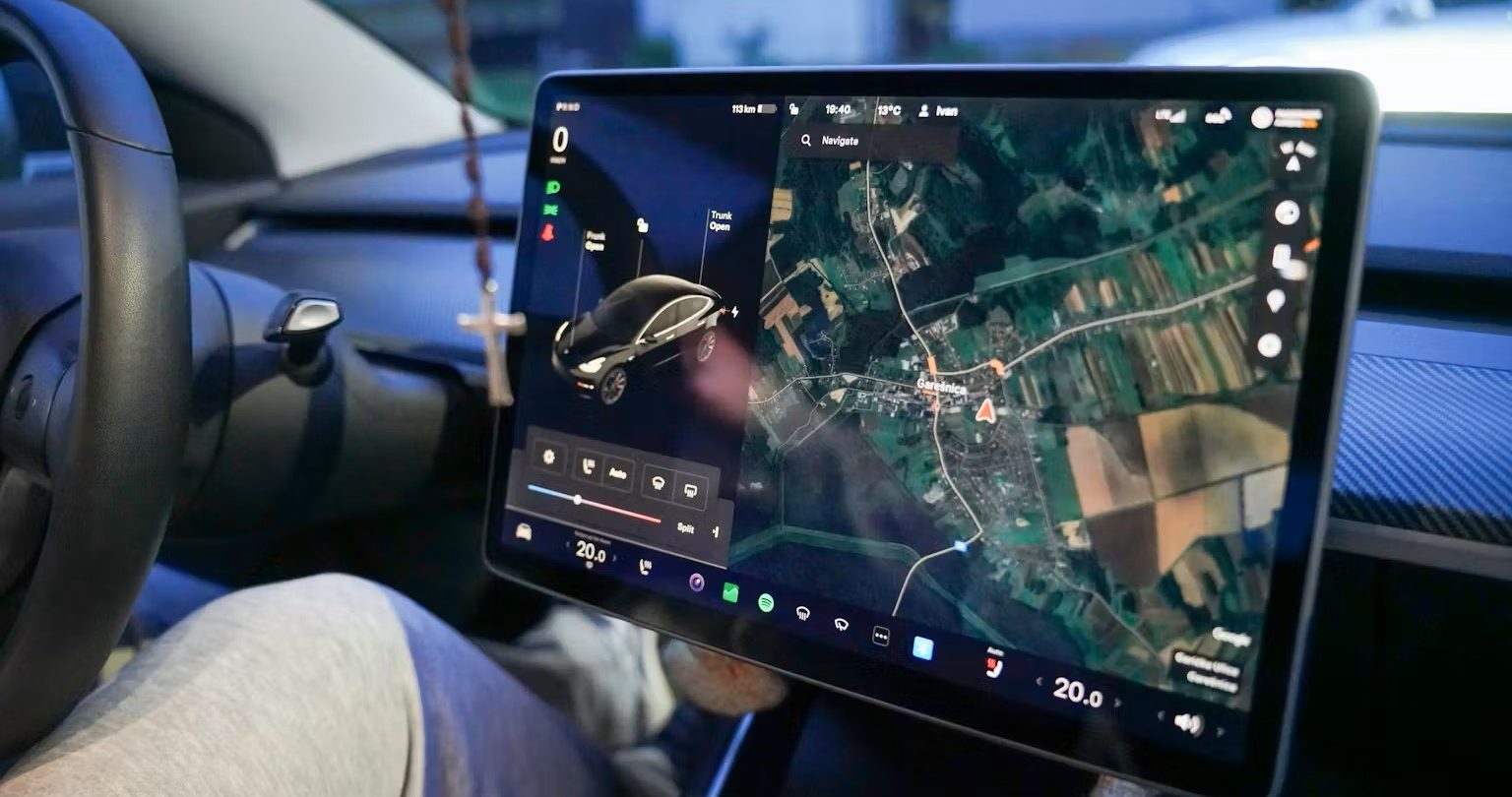
The findings come amid increasing scrutiny from road safety experts and insurers over the rise of large in-car screens, which now dominate many modern vehicle interiors. According to the survey, 47% of drivers believe touchscreen dashboards make driving more distracting, while 31% say screens in cars are already too large.
Touchscreens have become standard in the automotive industry, with research suggesting 97% of new cars launched since 2023 feature a central touchscreen system. Analysts also predict the average dashboard screen size could reach 10.6 inches by 2030, roughly the size of a tablet device. However, growing concerns over driver distraction are leading many motorists to call for the return of tactile buttons and switches for essential controls.
The survey highlights wider concerns around road safety, especially as many vehicle functions that were once controlled by simple buttons are now accessed through menus and swipe-based interfaces. Tasks such as adjusting heating, changing music or activating vehicle settings can require drivers to take their eyes off the road for extended periods.
Greg Wilson, car insurance expert and CEO at Quotezone, said: “Using a mobile phone while driving is rightly banned due to the distraction it causes, but our survey shows that modern car touchscreens are becoming increasingly distracting.
“Drivers are now expected to adjust essential settings with a swipe or touch through menus and screens rather than simple buttons, which can take people’s attention away from the road for longer than many realise.
“Touchscreens are predicted to increase in size in the next few years, but with safety concerns gaining momentum around the world, it’s time to review this innovation and make sure safety is the top priority.
“Distraction is one of the main contributing factors to collisions on our roads, drivers need to be wary and make sure they don’t let anything inside or outside the car distract their attention.”
The debate around touchscreen safety is not limited to the UK. Safety authorities around the world are beginning to push manufacturers towards reintroducing physical controls for key driving functions. From 2026, the European New Car Assessment Programme (Euro NCAP) began downgrading safety ratings for vehicles that fail to include physical buttons or switches for important features such as indicators, hazard lights, horns, windscreen wipers and emergency SOS functions.
Australia and New Zealand’s ANCAP Safety programme has also urged manufacturers to “bring back buttons” for essential driver controls, while China is introducing new regulations requiring physical controls for certain key functions in new vehicles from July 2026.
Research into touchscreen distraction is also adding weight to motorists’ concerns. Studies carried out in the UK found drivers using touch controls struggled more with maintaining consistent speed and vehicle positioning. Researchers also found drivers took their eyes off the road for longer than recommended safety guidelines when interacting with infotainment systems. In some cases, reaction times to hazards were reportedly worse than when texting while driving.
Many drivers now appear to support tighter restrictions on touchscreen functionality while vehicles are moving. More than half of respondents in Quotezone’s survey said they would back limits on features such as built-in music players and sat nav systems while driving.
The growing backlash against touchscreen-heavy interiors is also influencing car manufacturers. Some brands are beginning to reintroduce physical controls after years of favouring minimalist touchscreen-focused dashboards. Industry experts argue that tactile buttons allow drivers to operate key functions by feel, reducing the need to glance away from the road.
Safety campaigners believe the shift back towards buttons could help reduce distraction-related collisions and improve the overall driving experience. Insurers are also paying close attention, as distractions behind the wheel can contribute to increased accident claims and potentially higher premiums.
With touchscreen technology continuing to evolve, the challenge for car makers will be balancing innovation with practicality and safety. For many drivers, the message is becoming increasingly clear, when it comes to essential controls, physical buttons may still be the safest option.