
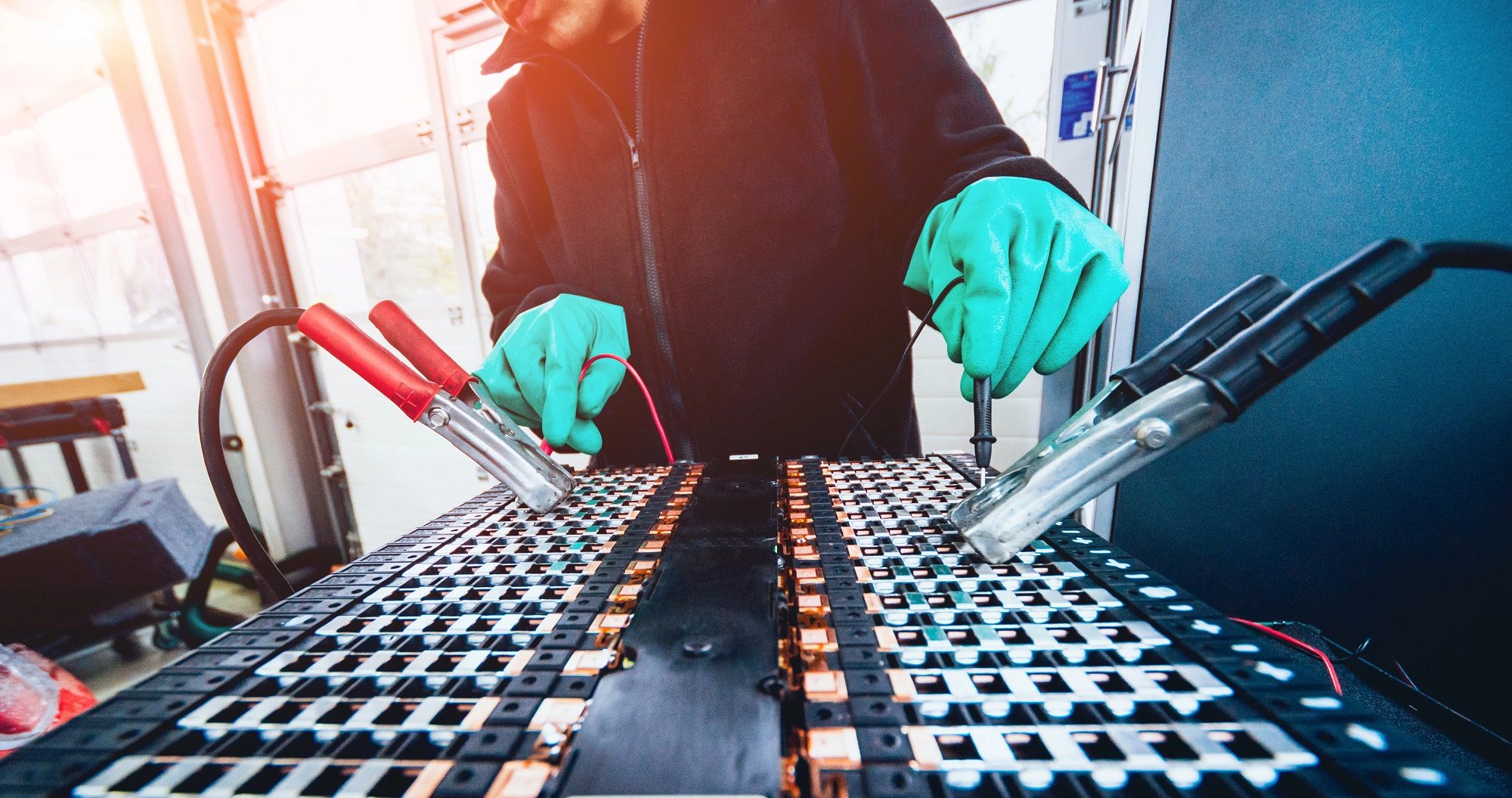
The latest IMI TechSafe data on electric vehicle (EV) qualifications paints a concerning picture for the UK’s transition to zero-emission motoring. Investment in EV training is slowing at a time when demand for qualified technicians continues to rise, risking delays to vehicle servicing and repairs for a growing number of EV drivers.
By the end of Quarter 3 (Q3) 2025, only one in four UK automotive technicians were qualified to work on electric vehicles. Just 26% of the workforce – 71,942 technicians – currently hold an EV qualification, raising serious questions about the industry’s readiness to support the expanding EV parc.
The challenge is compounded by an uneven geographical distribution of skills. EV-qualified technicians remain heavily concentrated within the franchise dealer network, leaving independent workshops and certain regions of the UK under-served. As a result, EV owners may struggle to find suitably qualified experts, particularly outside major urban centres.
EV Training Numbers Decline in 2025
IMI data shows that the number of technicians gaining an EV qualification in Q3 2025 fell by nearly 13% compared to Q1. This decline has prompted concern that mixed government messaging on electric motoring, alongside ongoing economic pressures, is discouraging employers from investing in training.
Emma Carrigy, Head of Research, Policy and Inclusion at the IMI, said: “The latest IMI TechSafe EV forecast suggests that the pace of training is misaligned with current and future demand, and is likely to fall short of what is needed to support the UK’s Zero Emission Vehicle (ZEV) targets. With our analysis expecting even lower EV certifications for Q4, unless there is a significant acceleration in training, the gap between the number of EV-trained technicians and those required will widen dangerously in the next five to ten years. And with training levels varying significantly between employers and regions, with independent workshops often less able to invest ahead of demand, there is a strong risk of a postcode lottery as the second-hand EV market grows.

Image: IMI
“It is vital that EV owners and those who aspire to become one, have confidence that their vehicle can be safely, affordably and conveniently serviced throughout their lifetime. A visible, qualified and geographically distributed service and repair workforce is therefore a critical enabler of sustained EV adoption. Employers need urgent support from government to ensure EV drivers don’t face a postcode lottery for servicing and repairs.”
IMI TechSafe EV Technician Forecast: Q3 2025 at a Glance
- 2,613 technicians gained an EV qualification in Q3 2025 – 12.8% fewer than in Q1 2025
- 26% of the UK technician workforce is EV qualified (71,942 technicians)
- Around 2,580 new EV certifications are expected in Q4 2025
- Projected demand could exceed supply by more than 44,000 technicians by 2035
Long-Term Skills Gap Threatens ZEV Targets
Based on current trends, IMI projections indicate that the number of EV-qualified technicians will continue to rise, reaching approximately 137,000 by 2032 and 193,000 by 2035. However, demand for skilled technicians is expected to grow faster than new certifications.
The gap between supply and demand is forecast to widen sharply in the early 2030s, with significant shortfalls emerging from 2033 onwards. By 2035, the industry could face a deficit of more than 44,000 EV-trained technicians.
Emma Carrigy warned: “It is now too late for even sustained growth in certification to fully close the gap. With the end of sales of new petrol and diesel cars fast approaching, employers need to act now to ensure they’re ready for the growing EV car parc. If drivers face delays for repairs to their EVs they will make their frustration heard and it will put off other would-be EV-switchers with the environmental benefits of zero-emissions mobility unnecessarily delayed.
“The most acute pressure on technician capacity falls in the years leading up to 2030, when the ZEV mandate needs a rapid increase in electric vehicle sales. This creates a narrow window for employers to scale training and bring more technicians into EV repair roles. Delays during this period will be difficult to recover later, as the skills gap compounds alongside rising vehicle volumes.”
Arthur Gribbin, Logistics UK Engineering Policy Lead said: “Every minute a vehicle is off the road costs operator’s money, and commercial viability is the overriding factor that influences an organisations’ decision to invest in electric vehicles. Anything that introduces doubt that operational requirements and customers’ needs will not be met using an electric fleet means operators will take the only financially viable decision: wait until these doubts are removed.
“If the government is serious about meeting its decarbonisation objectives, it needs to create an environment that makes switching to electric vehicles an easy win. This means investing in charging infrastructure, so logistics operators have access to the power they need both now and, in the future, but also investing in the skills that allows operators to keep their vehicles on the road.”
IMI Calls for Government Action on EV Skills
As the voice of the automotive workforce, the IMI is reiterating its call for government intervention to address the growing EV skills shortage. Despite the automotive aftermarket’s significant contribution to employment, net zero ambitions and clean growth, the IMI believes it is being overlooked in several key policy areas.
The Institute is urging government to explicitly recognise automotive servicing and repair skills as a core part of the UK’s EV transition infrastructure. This includes embedding workforce capability into EV policy design, supporting large-scale upskilling of the existing workforce, and ensuring clear, nationally recognised competence and safety standards for work on high-risk, safety-critical and security-sensitive vehicle systems.
Without decisive action, the IMI warns that the UK risks undermining consumer confidence in electric vehicles and slowing progress towards zero-emission mobility.