
TyreSafe films DVSA roadside checks
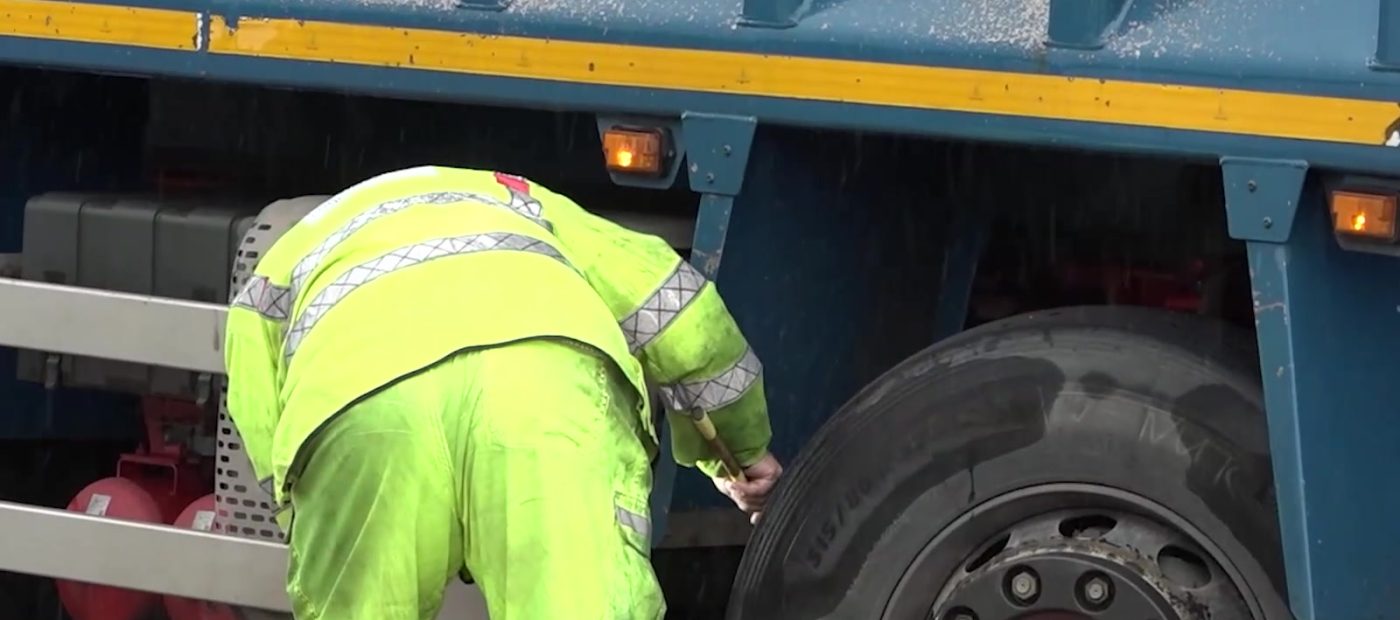
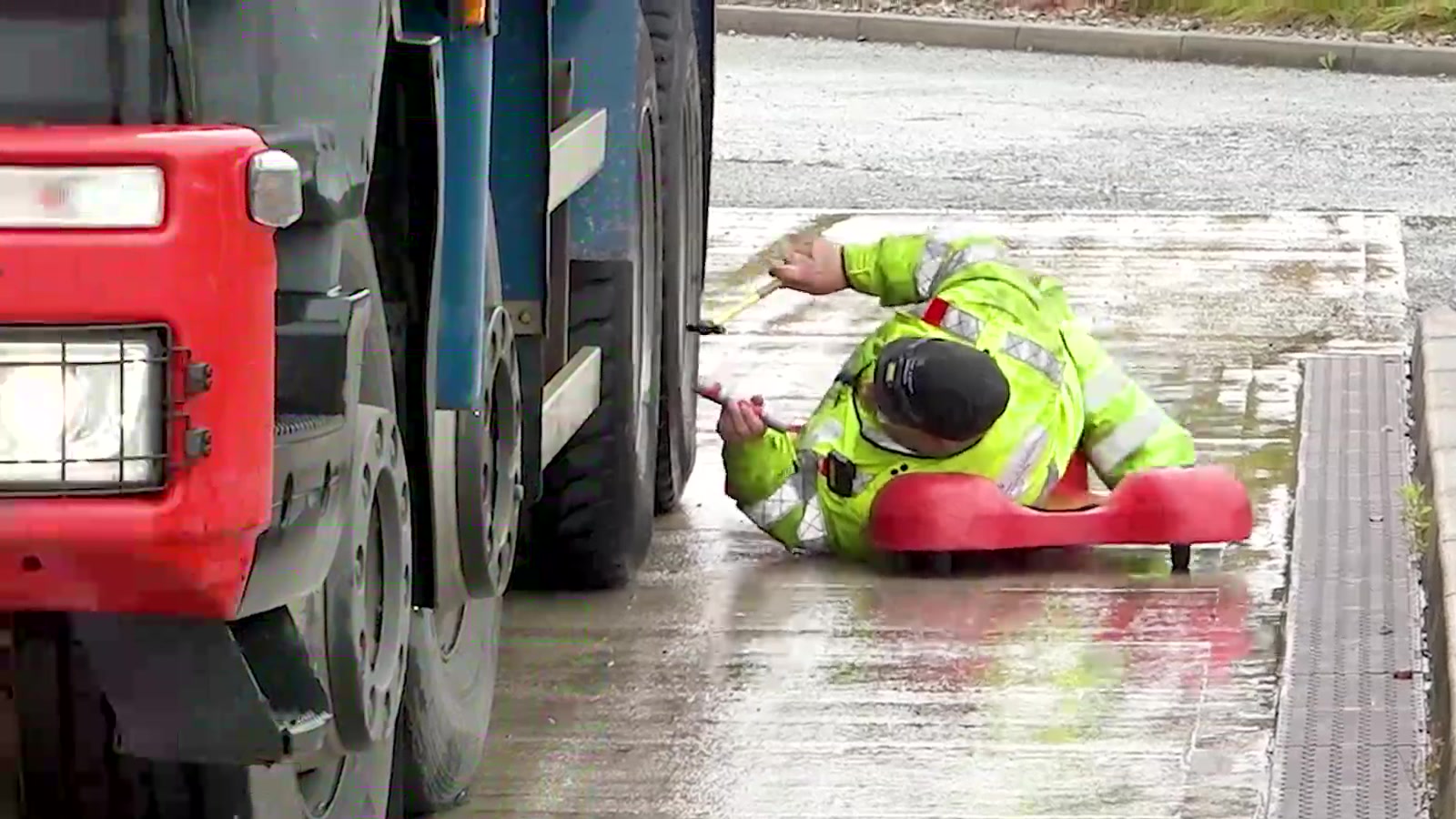
TyreSafe has released a new video, filmed with the Driver and Vehicle Standards Agency (DVSA) at one of its roadside check sites, to help operators improve their HGV tyre checks. It shows examiners inspecting heavy goods vehicles (HGVs) and the defects they find.
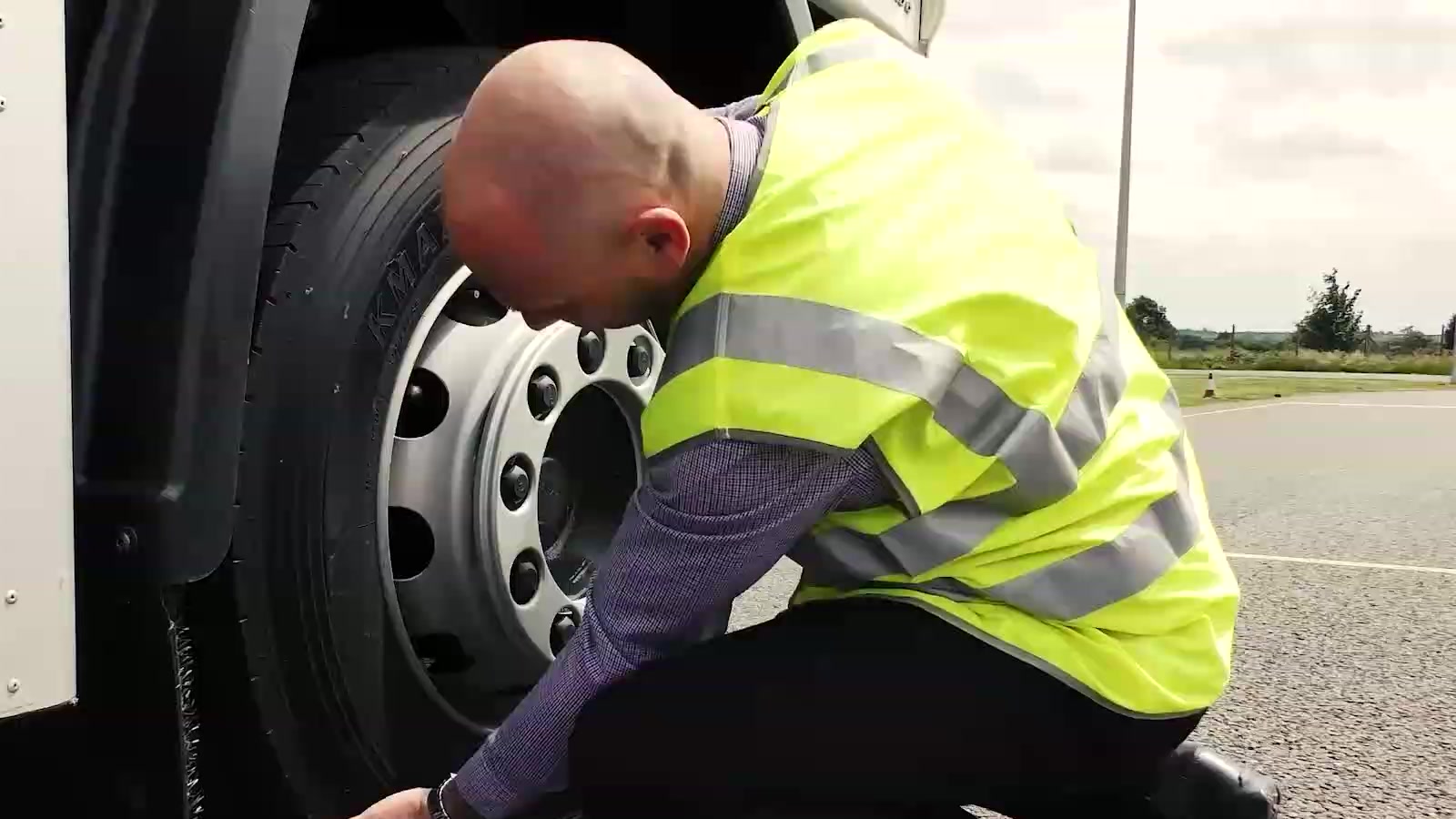
The film follows DVSA figures showing that tyres were the most common reason for lorries and trailers to receive a prohibition between April and June 2026. TyreSafe urges operators to follow through on every daily walkaround check. Drivers should report each defect, and the operator should fix it and sign it off before the vehicle goes back on the road.
Watch the video: https://youtu.be/zwPiwWn8d50?si=N5BEQ4_PlWaOHlK-
Tyres top DVSA’s prohibition list
Between April and June 2026, DVSA examiners carried out 6,786 mechanical inspections on lorries at the roadside and at operators’ premises. They issued a prohibition to one in five (21.4%) of them. Tyre defects were the most common problem.
For lorries, DVSA recorded 7.62 prohibition-level tyre defects for every 100 inspected. That is three times the rate of the next most common defect, exhaust emissions, at 2.48. The picture is worse for trailers, with 15.48 tyre defects for every 100 inspected. That is twice the lorry rate and two and a half times the next trailer defect, brakes, at 6.23.
DVSA targets its checks at vehicles from higher-risk operators, so these figures are not a random sample. They do show clearly where defects most often slip through. For GB-registered lorries alone, the prohibition rate was higher still, at 27%.
Why tyre defects matter for road safety
The annual test tells a similar story. About one lorry in ten fails first time, and tyres are the second most common cause of failure after brakes.
Lorries made up 2% of vehicles involved in injury collisions in 2025, but 7% of those in fatal collisions. More than 90% of the people killed in those collisions were other road users.
The sector has made real progress, though. Since 2009, the rate of fatal and serious collisions per mile involving lorries has fallen further than for any other vehicle type. TyreSafe’s message is that good tyre management is essential to keep that improvement going.
TyreSafe calls for proper follow-through
Stuart Lovatt, Chair of TyreSafe, said: “Our film shows what DVSA examiners see every day: tyre defects a driver could spot in a few minutes on a walkaround check. When tyres are the most common reason for a lorry or trailer to be prohibited, it’s clear that too many checks are being done but not followed through.
“Every defect a driver finds must be reported, fixed and signed off before the vehicle goes back out. Operators need to give drivers the time and training to check properly, and the systems to make sure reported defects are dealt with. Delivery pressures must never come before safety.”
DVSA and operators back the message
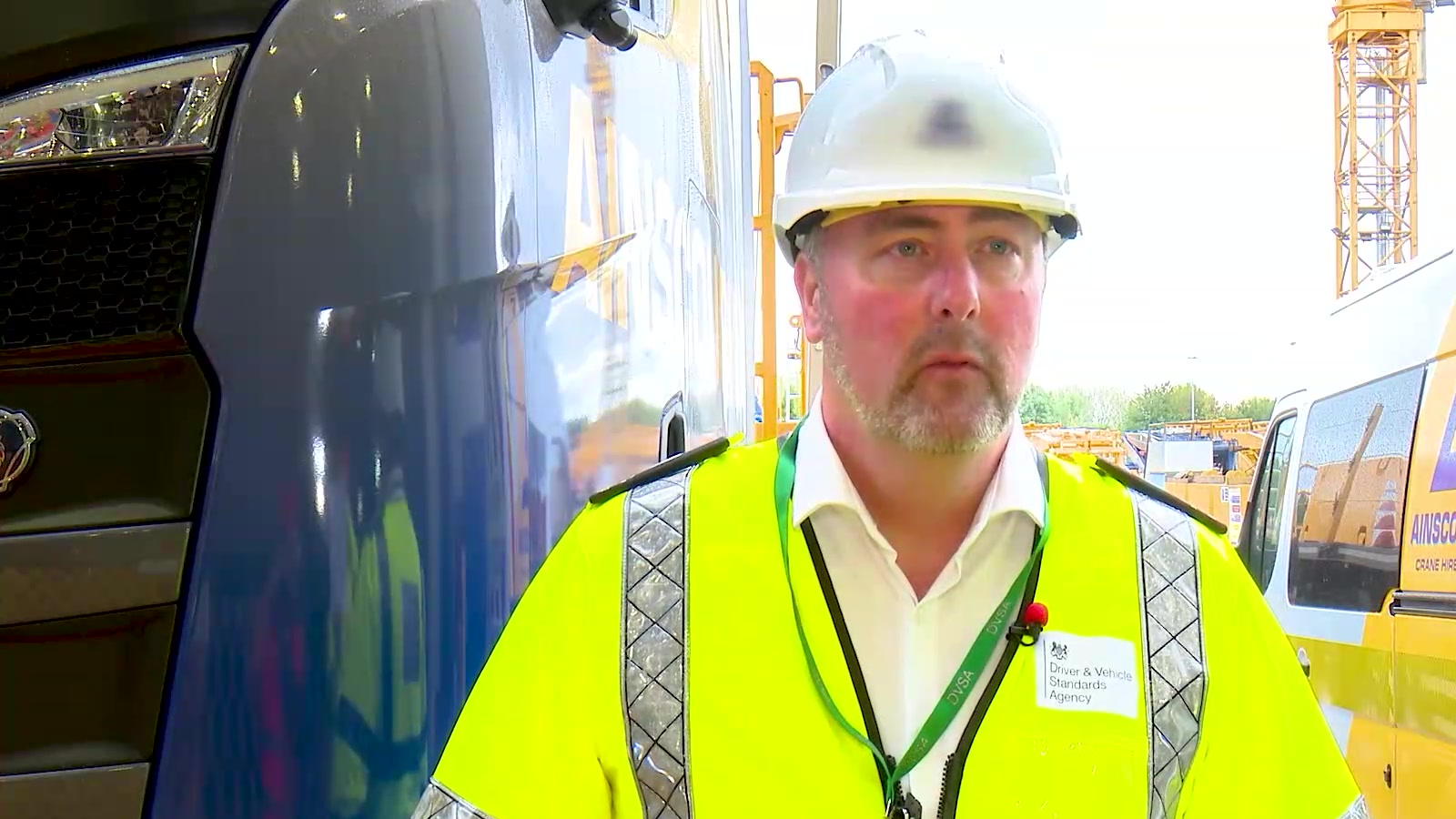
Andrew Donald, DVSA Enforcement Policy Manager, said: “DVSA continues to find tyre defects that could have been identified through an effective walkaround check.
“There is no excuse for poor maintenance – these defects put all road users at risk.
“Drivers and operators have a responsibility to keep vehicles safe and roadworthy. A thorough check of tyres, wheels, lights and other safety-critical components before a vehicle is used can prevent defects becoming a serious risk on the road.”
Lee Sixsmith, Operations Director UK, Ainscough Cranes, said: “As a DVSA Earned Recognition operator, we treat the daily walkaround check as the most important few minutes of the working day. Our drivers are trained to check every tyre and wheel properly, and they are given the time to do it.
“Just as important is what happens next. Every defect a driver reports is logged, fixed and signed off before that vehicle goes back out. That is what keeps our fleet safe, legal and working, and we were glad to help TyreSafe show what good practice looks like.”
Check it. Secure it. Maintain it.
A good walkaround check is a deliberate inspection of the whole vehicle and any trailer before it moves. TyreSafe’s ACT checklist covers the tyre essentials.
- A stands for air pressure. Check it against the manufacturer’s recommendation for the axle load, including inner tyres on twin wheels.
- C stands for condition. Look for cuts, bulges, exposed cords, embedded objects and irregular wear. Tyres 10 years old or more must not be used on the front steered axles of goods vehicles over 3,500kg, so check that date codes are legible and in date.
- T stands for tread. Goods vehicles over 3,500kg need at least 1mm of tread across the central three-quarters of the tread and around the whole circumference.
Drivers should also check wheel nuts and wheel security. Loose-wheel-nut indicators make movement easier to spot.
Drivers should report any safety-critical defect in writing, and the vehicle should stay off the road until it is fixed. Roadside prohibitions also count against an operator’s Operator Compliance Risk Score (OCRS), which makes future stops more likely.
TyreSafe asks operators to share the video with their drivers, maintenance teams and transport managers. It also recommends using DVSA’s Guide to maintaining roadworthiness as the standard for their own procedures.