
Tesla Roadster 2 takes flight as Musk shows off ‘rocket car’
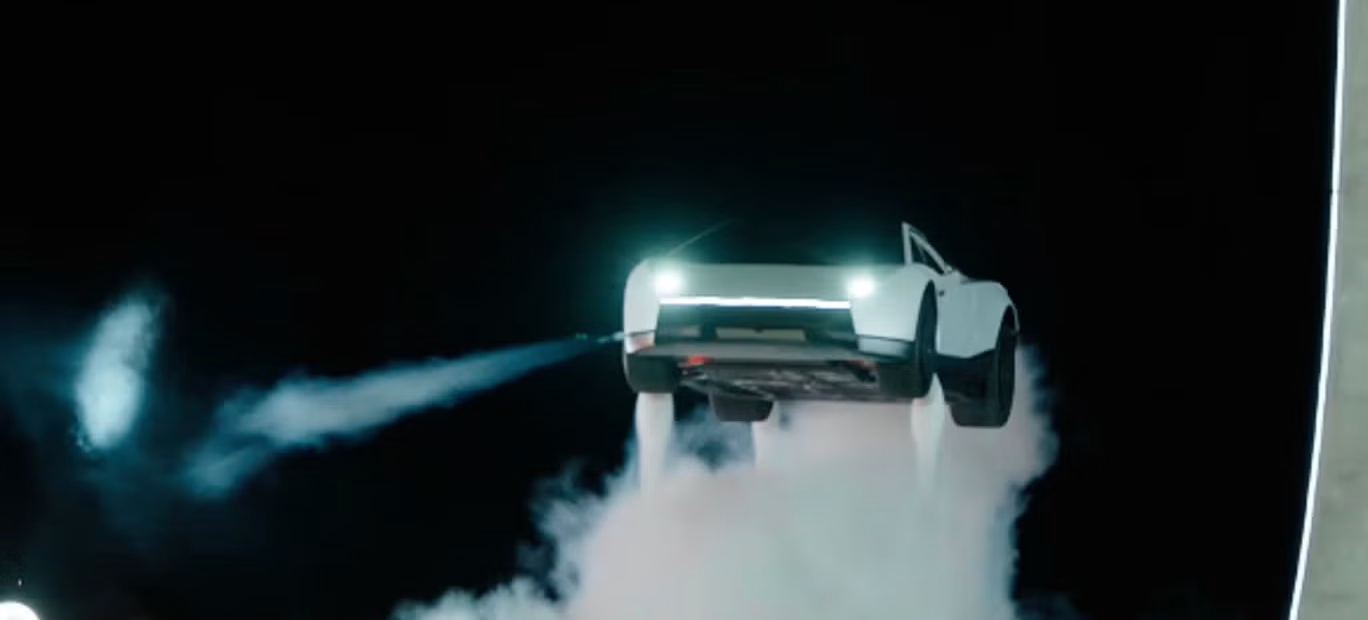
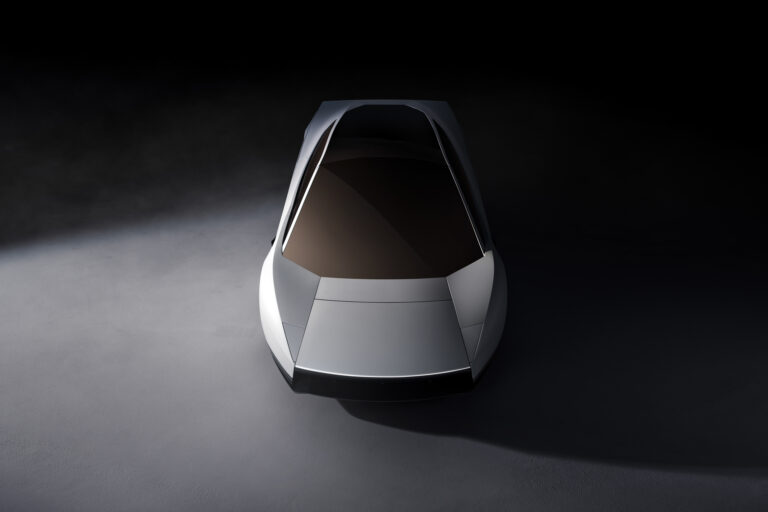
Tesla has finally unveiled its second-generation Roadster, and the car did not stay on the ground for long. At a livestreamed event in Texas on Thursday 15 October, the Roadster used SpaceX thrusters to spin through the air and land on its wheels. It was the most theatrical launch the company has staged in years.
A launch that left the ground
Tesla held the reveal at SpaceX‘s rocket test site in McGregor, near Waco. Elon Musk hosted the event alongside Tesla design chief Franz von Holzhausen and Lars Moravy, vice president of vehicle engineering. “You’re going to see some crazy stuff tonight,” Musk told viewers.
He was right. The Roadster 2 drove up an inverted ramp, flipped through the air and eased itself down onto the tarmac the right way up. Compressed-air thrusters on the underside of the car, together with powerful fans, controlled the manoeuvre.
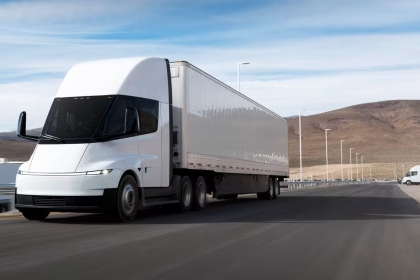
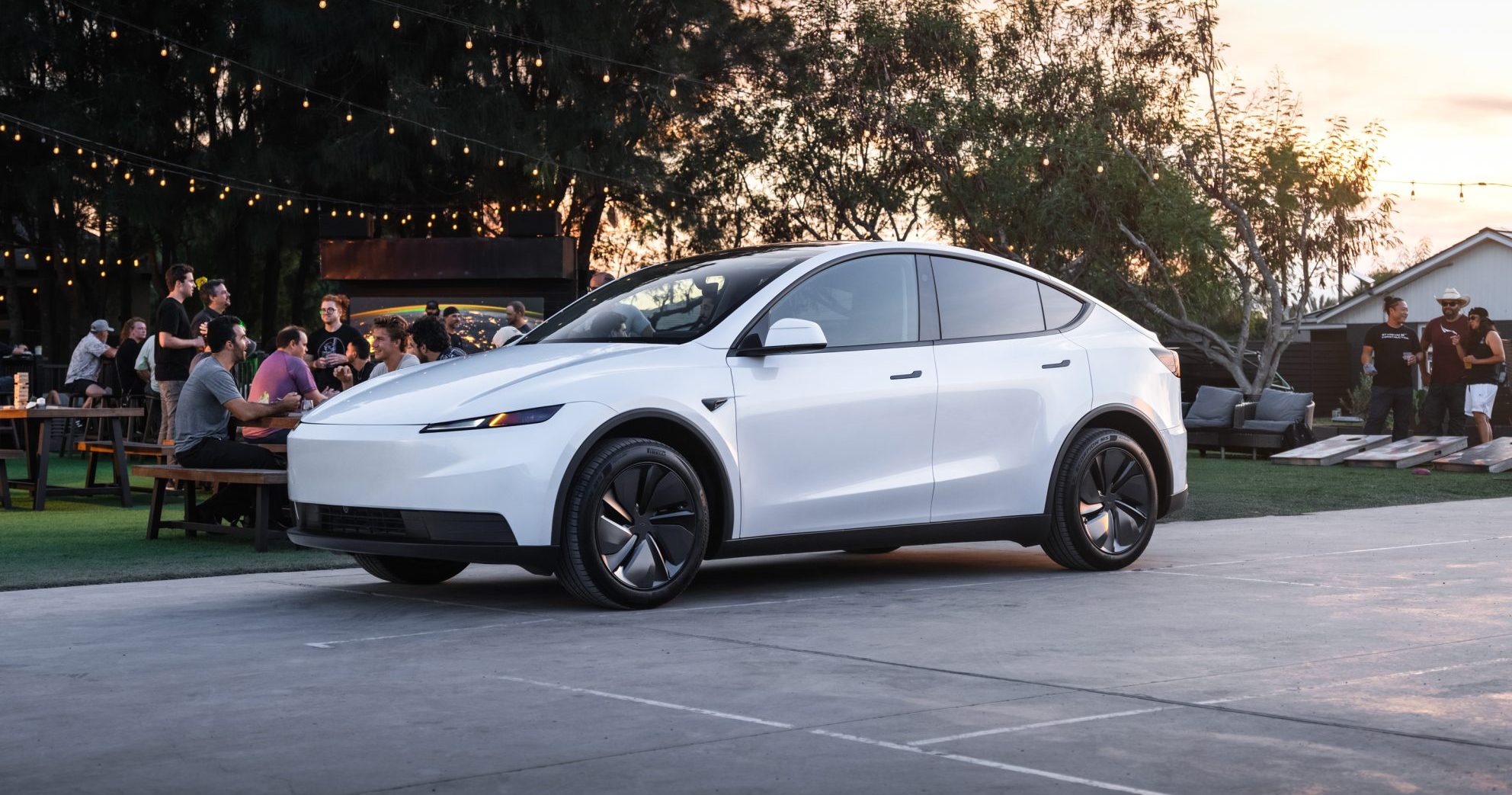
The car then lifted itself over a row of Tesla models while moving. The line-up included a Cybercab, a Cybertruck, a Tesla Semi, a Model Y and a Model 3. Tesla also claimed the Roadster can sprint from 0 to 60mph in less than a second.
How the thruster system works
Moravy explained that the Roadster uses 10 thrusters fed by 600 litres of compressed air. These are cold-gas thrusters, which means they burn no fuel. They release pressurised air through small nozzles to push the car in the direction the engineers choose. SpaceX uses similar technology to position its rockets.
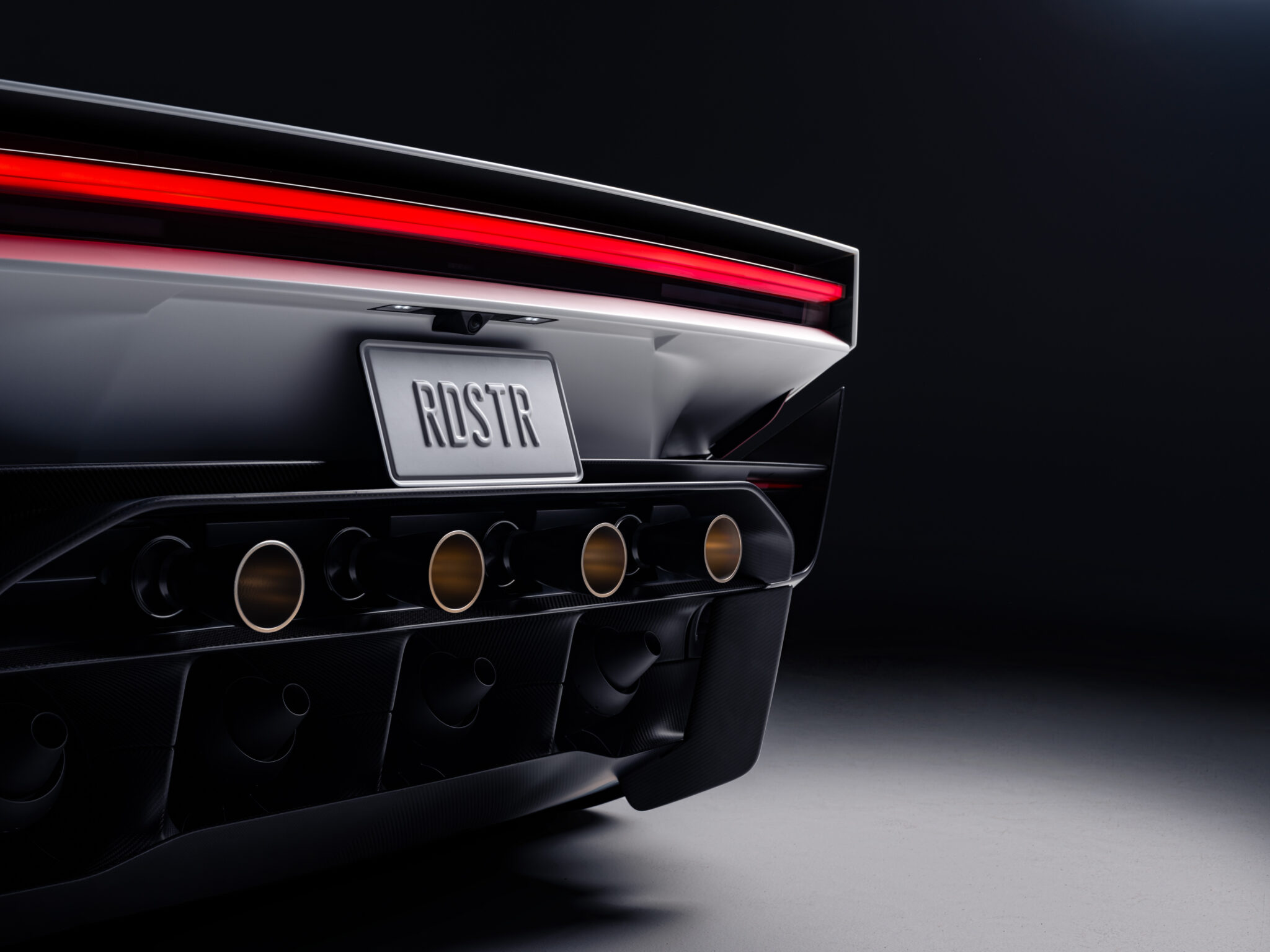
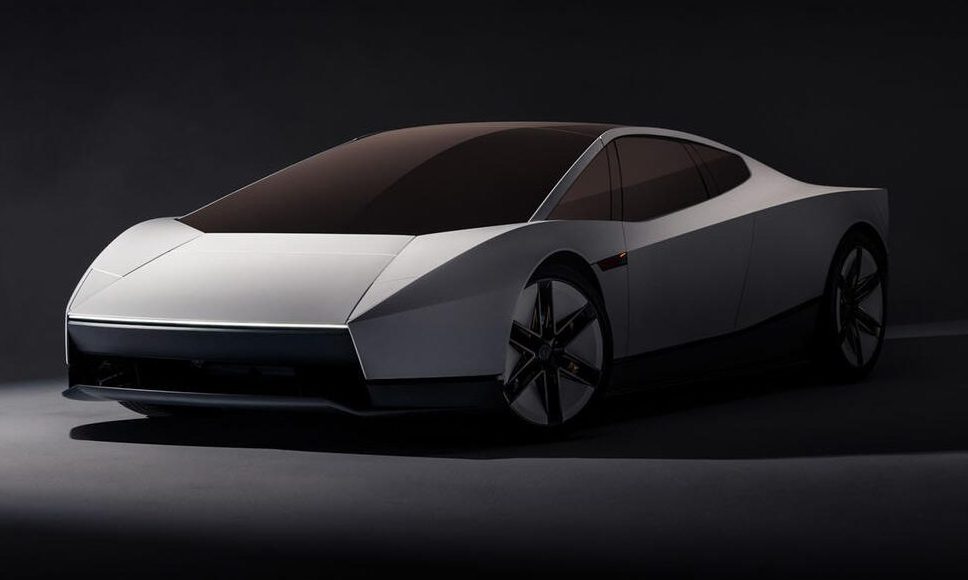
The prototype itself is light and technically ambitious. Tesla fitted it with steer-by-wire controls, a steering yoke and carbon-wrapped pressure vessels. The company also borrowed diffusers and high-powered fans from SpaceX’s engineering teams. Musk said the car is a joint effort between his two Texas companies.
What Musk said
Musk celebrated the demonstration on social media straight afterwards. “Well it worked,” he wrote. “Flying cars are real.”
He then promised the car would reach customers. “This will be an actual car that’s on the roads,” he said. “I’m not sure it’s necessarily legal in all jurisdictions, but there will be such a car that someone can own. So, it’s going to be pretty wild that you can have a rocket car.”
Musk also paid tribute to the engineers behind the project. “This is the culmination of incredible work by Tesla and SpaceX engineers working closely together to make something that you haven’t seen in any movie, better than any James Bond car,” he said. “I’ve never seen anything like this.”
He has billed the Roadster 2 before as “the best of the last of the human-driven cars”. That phrase fits a company that now talks far more about autonomy and robotics than about sports cars.
Almost a decade in the making
The Roadster 2 has taken a very long time to arrive. Tesla first showed the second-generation car in November 2017 and promised deliveries from 2020. It has missed every target date since.
Musk first floated the thruster idea in 2018. He said then that a SpaceX option package would include around 10 small rocket thrusters “arranged seamlessly around car”. Over the years, he suggested launch dates of 2020, 2022, 2023, 2024 and 2025. He even suggested April Fool’s Day 2026, which he joked would give him “some deniability” if the date slipped again.
The delays frustrated customers. Tesla took $50,000 deposits for the standard car and $250,000 for a limited Founder’s Series. OpenAI chief executive Sam Altman publicly complained about the wait and eventually took a refund. Tesla reopened reservations ahead of this event, again asking for $50,000.
The car itself has changed too. Reports say Tesla abandoned an earlier plan based on Model S Plaid parts. Instead, it developed an all-new carbon-fibre hypercar.
Price, legality and delivery
Many questions remain unanswered. Musk said Tesla will build the Roadster in 2028 at Gigafactory Texas, but he did not name a price. Before the event, reports suggested the thruster version could cost hundreds of thousands of dollars, and possibly millions.
Legality is the bigger puzzle. Tesla said the base Roadster will not include thrusters. Pre-event reports also claimed that the thruster edition would not be street legal. Musk’s own comment that the car may not be legal “in all jurisdictions” suggests the same caution.
Regulators will have plenty to say about a road car that can leave the ground. Any rules on ride height, pedestrian safety and noise will apply to a vehicle that hovers. UK buyers should not expect to drive a flying Roadster to the shops any time soon.
What it means for fleets
Few fleet managers will add a Roadster 2 to their pool. The car is a high-end, low-volume model, and the thruster version looks like a halo project rather than a business tool.
The event still matters for the wider industry. Tesla chose to show the Cybercab and the Semi alongside its star attraction, which signals where it wants attention. The reveal also tests whether the company can turn spectacle into delivery. Investors have long said they want a firm production date more than another stunt.
Competitors will watch closely too. Rivals in China and Europe already offer electric cars with more than 1,500hp. Tesla needs the Roadster to prove it can still lead on performance, not just on publicity.
The verdict
The demonstration worked, and the footage has already spread around the world. Tesla has proved that a road-style car can hop, spin and land with the help of compressed air.
Proving it can build and sell the car is a different challenge. After nine years of missed deadlines, the target of 2028 will need to hold. Until then, the Roadster remains a dazzling prototype with a long road ahead of it.