
China orders massive EV recall over hidden door handle safety
China’s record vehicle recall could reshape global EV design as regulators prioritise emergency escape over flush styling.
China has launched the largest automotive recall in its history, affecting approximately 4.3 million electric vehicles from nine manufacturers after regulators raised concerns that hidden and electronically operated door handles could delay escape from a vehicle or hinder emergency rescue following a serious collision.
The recall is particularly significant because Tesla accounts for almost 70% of the affected vehicles. The American manufacturer is recalling 2.98 million China-made and imported Model 3, Model Y, Model S and Model X electric cars after China’s State Administration for Market Regulation concluded that the emergency door release arrangements could present a safety risk during extreme incidents involving loss of low-voltage electrical power. The action represents one of the most important safety interventions yet in the rapidly expanding global EV market and follows China’s decision earlier this year to outlaw fully hidden door handles on new vehicles from 1 January 2027.
Tesla recalls 2.98 million vehicles
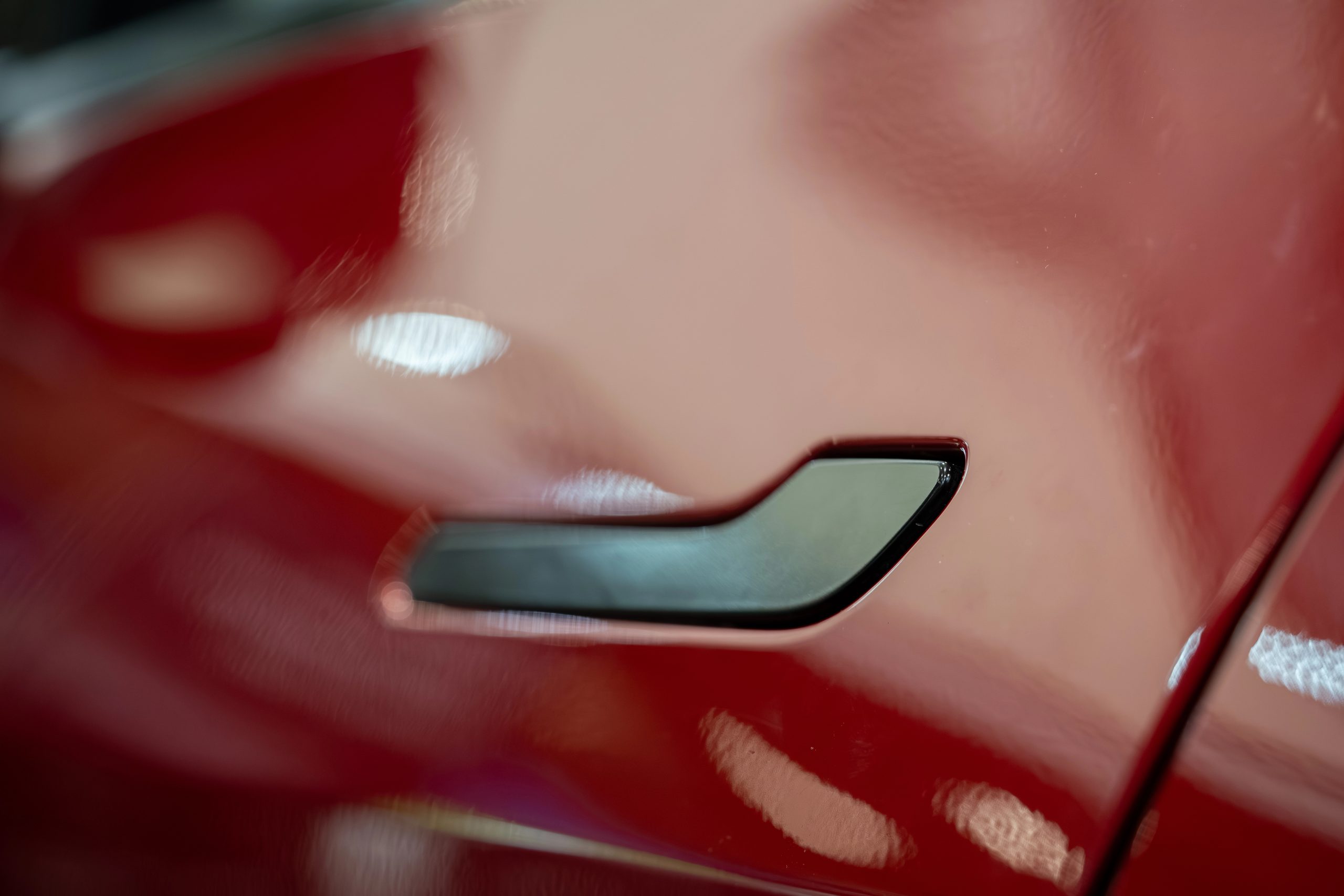
Tesla confirmed in a statement on Friday that it was recalling affected Model 3, Model Y, Model S and Model X vehicles because their mechanical emergency door releases can be “difficult to identify and operate because their colour is similar to the interior trim”.
The company acknowledged that visibility rather than outright mechanical failure is at the centre of the recall. Tesla said: “In extreme situations such as a severe collision causing the vehicle’s low-voltage system to fail, this could hinder occupants from quickly opening the doors to escape and impede rescue efforts by those outside the vehicle, posing a safety hazard.”
Rather than replacing the complete door mechanism, Tesla plans to address much of the issue through over-the-air software updates alongside additional warning labels identifying the emergency release locations. Reports indicate the software update will also introduce automatic window lowering following certain collisions, improving access for occupants and emergency responders when conventional electrically powered door operation becomes unavailable.
Eight other manufacturers join China’s recall
Tesla is far from alone. Eight Chinese manufacturers have also been ordered to recall vehicles fitted with similar concealed or electronically dependent door release systems. The largest programmes involve Xiaomi, Leapmotor, XPeng and Geely, although several additional domestic EV brands are included within the wider regulatory action.
According to recall notices, Xiaomi is recalling approximately 390,000 vehicles, Leapmotor around 371,000 and XPeng roughly 264,000 vehicles. Geely is also among the manufacturers affected, alongside other Chinese EV producers included in the nationwide campaign. Together with Tesla, the recalls total about 4.3 million vehicles, making it the largest coordinated vehicle safety recall ever undertaken in China.
Why hidden door handles have become a safety issue
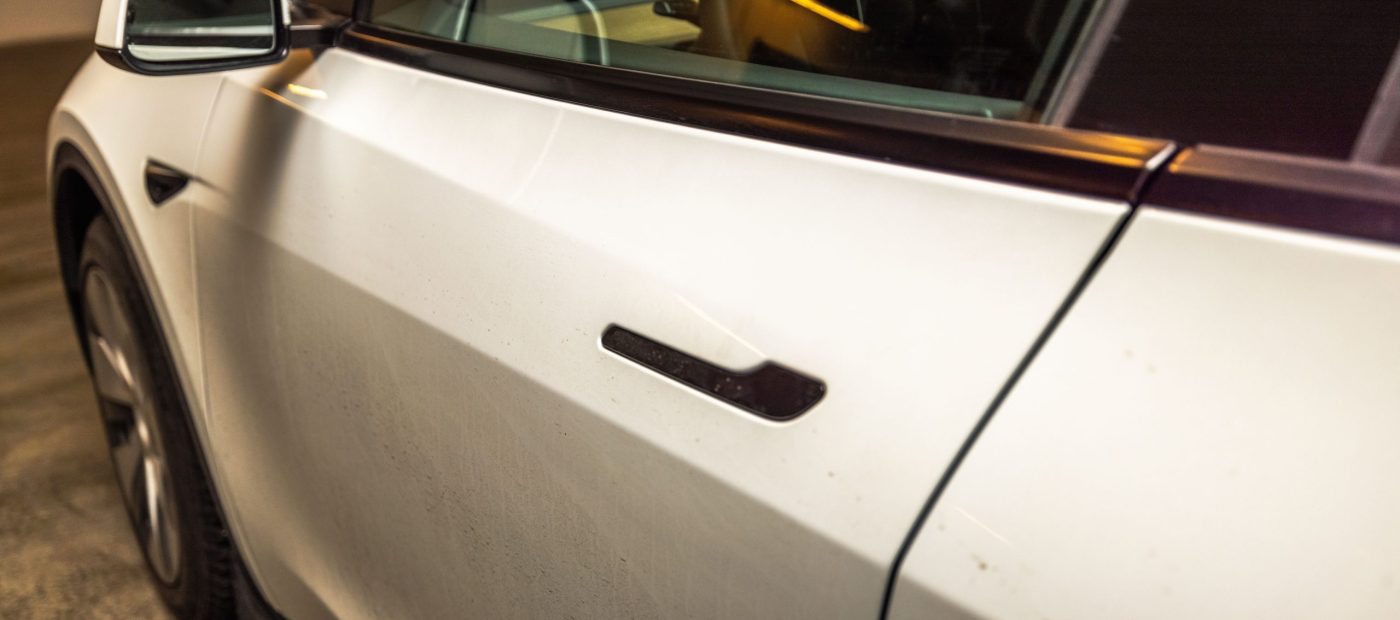
Flush door handles have become one of the defining styling features of modern electric cars.
Popularised by Tesla and subsequently adopted by numerous manufacturers, retractable handles improve aerodynamic efficiency and create a cleaner exterior appearance. However, regulators have increasingly questioned whether those benefits outweigh the potential risks during emergencies.
The principal concern is that electronically operated handles rely on the vehicle’s low-voltage electrical system. Following a severe crash, damage to the electrical supply may prevent the normal handles from presenting themselves or unlocking correctly. Although manufacturers generally provide mechanical emergency releases, these can be difficult to locate, poorly marked or unfamiliar to passengers and rescue personnel.
China’s regulators concluded that emergency accessibility should take precedence over minimalist design. In February, the Ministry of Industry and Information Technology announced new national standards requiring vehicles approved from 1 January 2027 to include mechanical door release arrangements accessible from both inside and outside the vehicle. China became the first major automotive market to introduce such comprehensive restrictions on fully concealed electronic door handles.
US regulators are also examining Tesla’s door design
The Chinese recall arrives amid continuing scrutiny of Tesla’s door systems in the United States. The National Highway Traffic Safety Administration has investigated complaints involving electronic door handles and emergency mechanical releases, including reports in which occupants were unable to access or exit vehicles following electrical failures.
In July, NHTSA rejected a petition seeking a formal defect investigation into the emergency release arrangement of the 2022 Tesla Model 3, stating that the evidence submitted did not justify opening that specific defect case. However, the agency simultaneously began a broader rulemaking process examining whether future federal vehicle safety standards should require clearer and more accessible emergency egress systems across the automotive industry rather than focusing solely on Tesla.
What this means for the future of EV design
For fleet operators and private motorists alike, the Chinese recall is likely to have consequences extending well beyond the vehicles involved. China is the world’s largest EV market and its regulations frequently influence global vehicle engineering, particularly where manufacturers develop common platforms for international production.
The recall does not suggest that every flush door handle is inherently unsafe. Instead, it highlights the importance of intuitive emergency operation when electronic systems fail. Manufacturers are now being pushed to ensure that mechanical releases are immediately recognisable, clearly labelled and accessible to both occupants and emergency responders.
Tesla’s reliance on software updates demonstrates how connected vehicles can receive important safety improvements without requiring extensive workshop intervention, yet the wider regulatory direction is equally clear: future EVs will increasingly need to combine sleek design with straightforward mechanical emergency access. As electric vehicles become the mainstream choice for fleets and consumers, this landmark Chinese recall may prove to be the moment when emergency usability becomes just as important a design consideration as aerodynamics, efficiency and digital technology. The result could be a new generation of EVs that retain modern styling while making escape and rescue significantly easier during the rare occasions when every second matters.