
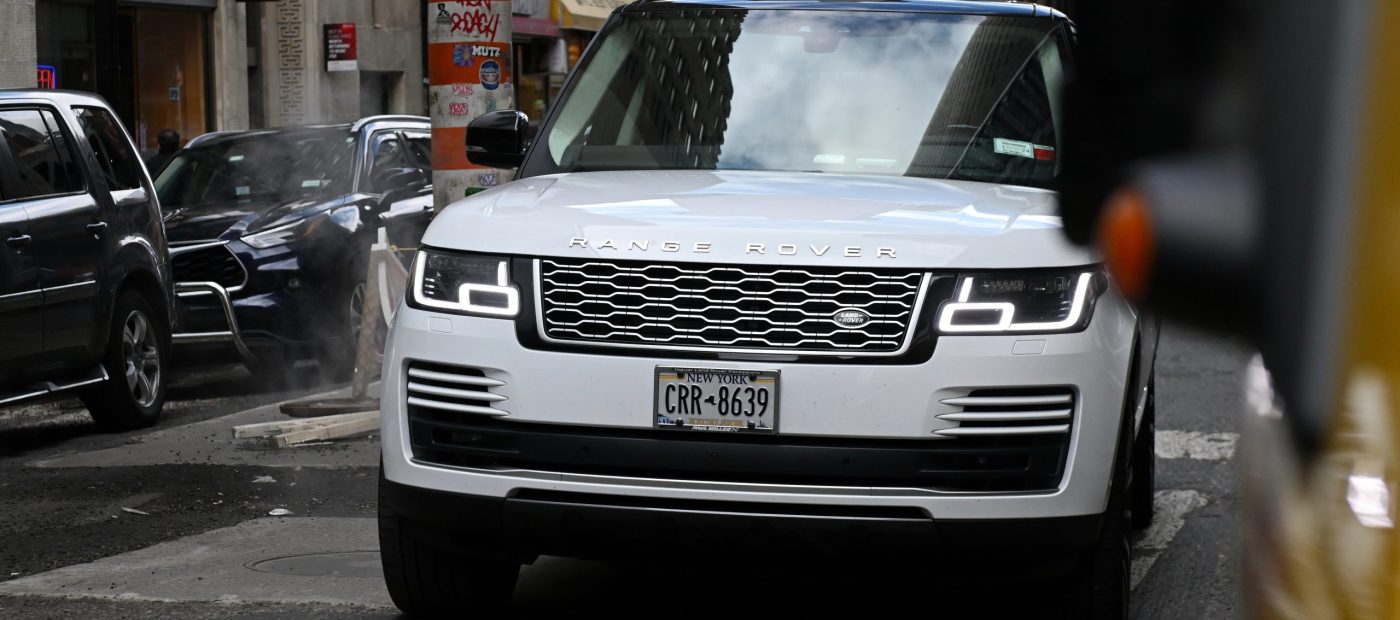
JLR recalls 23,677 vehicles over DC-DC converter fault
Jaguar Land Rover (JLR) has recalled a further 23,677 vehicles in the US after identifying an electronic fault that could result in a loss of drive power and exterior lighting.
The latest campaign, filed with the US National Highway Traffic Safety Administration (NHTSA) on 17 September 2026, expands an earlier recall covering 170,169 JLR vehicles. It affects mild-hybrid versions of models across the Jaguar, Land Rover and Range Rover ranges.
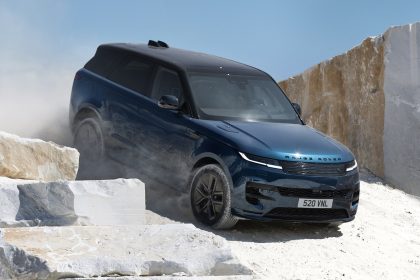
The latest recall, JLR campaign E008 and NHTSA campaign 26V599000, covers the Jaguar E-Pace and F-Pace, alongside the Land Rover Defender, Discovery, Discovery Sport, Range Rover, Range Rover Evoque, Range Rover Sport and Range Rover Velar. The affected model years run from 2019 to 2024, although coverage varies between individual models.
The issue centres on the DC-DC converter used in JLR’s mild-hybrid electrical system. The component is responsible for converting the higher-voltage electrical supply to the 12-volt system used by conventional vehicle electronics and exterior lighting.
According to the recall information, the converter may malfunction because of an electrical overload occurring during periods of high power demand. A separate software error can also cause the converter to stop operating when the vehicle starts under certain circumstances.
If the DC-DC converter stops working, the 12-volt battery is no longer charged. As the battery’s available power falls, the vehicle can eventually lose drive power and exterior lighting.
Warning can precede loss of power
The safety implications are significant for fleet operators because the fault is capable of developing into a loss of motive power while a vehicle is being driven.
JLR’s earlier NHTSA recall documentation explains that a red “Stop Safely Electrical Fault Detected” warning can appear within around 10 seconds of the converter failing. If the driver continues the journey, further warnings can include Lane Keep Assistance being disabled, suspension and stability-control faults and a gearbox fault. The vehicle can subsequently select neutral and lose motive power, while exterior lighting can eventually be lost as the 12-volt battery becomes depleted.
NHTSA states that a loss of drive power increases the risk of a crash. The loss of exterior lighting could also create an additional safety risk, particularly if a vehicle becomes immobilised or continues operating in poor visibility.
For fleet managers, the progression of the fault underlines the importance of drivers responding immediately to the warning rather than attempting to complete a journey.
Recall expands earlier JLR campaign
The September recall is an expansion of a much larger campaign launched earlier this year.
In April, NHTSA announced a recall covering 170,169 JLR mild-hybrid vehicles. That campaign identified an internal fault in the boost-control microchip within the DC-DC converter. JLR’s documentation said the problem could cause the loss of 12-volt charging, followed by loss of drive power and exterior lighting.
The latest campaign introduces a further software-related failure mode. NHTSA’s latest recall information says dealers will update the vehicle software at no cost, with the update designed to address the issue and introduce a warning/limp-home strategy if the converter goes offline. Interim owner notifications are expected to be sent from 13 November 2026, with further correspondence to follow when the final remedy is available.
The two campaigns together potentially cover almost 194,000 vehicles in the US, although the figures represent potentially affected vehicles rather than confirmed failures.
JLR has previously reported a substantial number of converter-related claims. Its April NHTSA filing said it had received 5,952 claims and field reports involving replacement of the DC-DC converter in the US between July 2019 and April 2026. It also reported that there had been no accidents, injuries or fires in the US as a result of the issue at that point.
JLR investigated converter failures
The problem has been under investigation by JLR for several years. Its NHTSA filing said the company’s Product Safety and Compliance Committee reviewed increasing warranty claims for DC-DC converter failures in September 2024.
At that stage, JLR concluded that the gradual progression of symptoms did not constitute an unreasonable safety risk. Further reports were received during 2025, leading to the creation of a dedicated engineering task force to investigate the failures and develop a robust resolution.
The task force carried out hardware-in-the-loop testing, physical testing and virtual simulations before JLR reviewed the issue with government agencies. On 7 April 2026, NHTSA clarified its view that the matter should be treated as a safety issue rather than solely a customer-satisfaction concern.
JLR subsequently decided to launch safety recalls in markets where regulators reached a similar assessment, while vehicles in other markets could be dealt with through a quality campaign.
A JLR spokesperson previously told Auto Express: “Some customers have experienced the DC-DC converter module not operating as intended in some circumstances, for JLR [mild-hybrid] vehicles. Impacted drivers receive a warning to stop their vehicle safely. If vehicles continue to be used, vehicle operation may be impacted.”
The company also said its “priority is to ensure every customer receives the highest level of care” and encouraged customers experiencing the issue to contact an authorised JLR repairer.
What UK fleet operators need to know
The latest 23,677-vehicle campaign is a US recall, so fleet operators should not assume that every UK-registered vehicle of the listed model years is automatically subject to the same campaign.
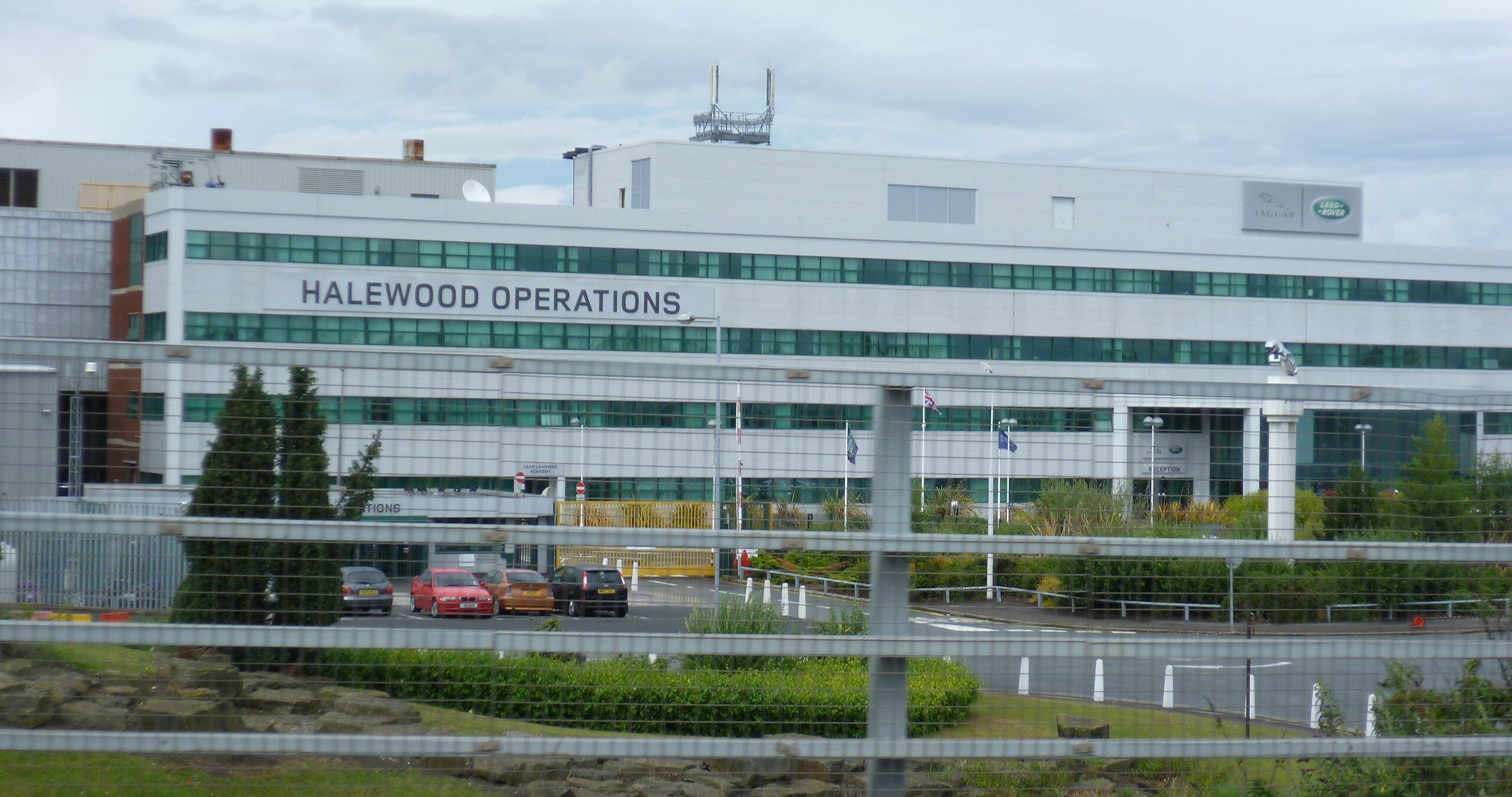
However, the underlying issue has previously been reported in the UK, and JLR’s own documentation shows that the affected vehicles are built across several plants, including Solihull, Halewood and Nitra. The April recall also covered mild-hybrid versions of models sold extensively into the UK fleet and company-car market.
UK operators with affected Jaguar or Land Rover mild-hybrid vehicles should therefore monitor communications from JLR and check individual vehicles rather than relying solely on model and registration year.
The UK government’s vehicle recall service allows operators and drivers to check whether a vehicle has an outstanding safety recall using its registration number, manufacturer, model and year. GOV.UK states that vehicles subject to a serious safety recall should not be driven and that manufacturers will normally contact affected owners.
For fleet managers, the immediate priority should be ensuring that any driver reporting the relevant red electrical fault warning follows the manufacturer’s instructions and that affected vehicles are checked by an authorised repairer. With the latest campaign highlighting both hardware and software routes to DC-DC converter failure, maintaining accurate recall records and acting promptly on manufacturer notifications will be important in preventing vehicle downtime from becoming a wider operational or safety issue.