
JLR quarterly loss of £451m: what it means for the carmaker
Jaguar Land Rover (JLR) has reported a post-tax loss of £451m for the second quarter, which ended in September. The JLR quarterly loss includes £530m of exceptional costs linked to the carmaker’s restructuring, which will cut 4,000 jobs. The company also said an adverse market and model mix weighed on profitability. Here is what the results mean for JLR and what its leadership has said so far.
What did JLR report for the second quarter?
Revenue rose 20.3% year on year to £5.9bn, while the loss narrowed from £559m in the same quarter last year. That earlier period suffered heavily from the cyber attack that disrupted production. JLR also made a £6m profit before tax once exceptional items were excluded. A year earlier, it recorded a £485m loss on the same measure.
The headline loss therefore reflects one-off charges more than weak trading. Reuters reported that £295m of the exceptional charges related to voluntary redundancies. The wider £530m figure also includes other restructuring expenses and asset write-downs. The £530m is not the cost of job cuts alone.
The underlying picture still looks thin. The adjusted EBIT margin was 1.1%, and free cash outflow for the quarter was £540m. The margin was 2.8% in the first quarter, so profitability moved in the wrong direction. Those figures show how little room JLR has to absorb further shocks.
What does “adverse market and model mix” mean?
JLR used the phrase to explain why profitability fell between the first and second quarters. In plain terms, it suggests the company sold fewer cars in its most profitable markets and models than it hoped. Market mix refers to where JLR sells its vehicles. Model mix refers to which vehicles buyers choose.
China and the Middle East caused much of the market pressure. JLR said the Chinese market fell almost 30% in the quarter, and its own Chinese volumes dropped sharply. Cheaper electric rivals from Chinese brands have made the luxury segment even tougher.
Model mix has also hurt. JLR has been winding down older Jaguar models ahead of the launch of the new Type 01, which reduces sales of familiar cars before the replacement arrives. Persistent commodity cost pressures added to the strain.
What has JLR said about the job cuts?
JLR announced in September that it would remove around 4,000 roles over two years. The company expects the vast majority of cuts to come through voluntary redundancies. It has confirmed 3,000 already, and most of those people will leave at the end of November. The programme mainly targets salaried and non-manufacturing employees. At the time of the announcement, the manufacturer had not ruled out compulsory redundancies.
The job cuts sit within a wider cost-saving plan. JLR aims to achieve £1.7 billion in savings over the next two fiscal years. The programme targets manufacturing, materials, logistics and warranty costs. JLR also wants to lower its cash break-even point to about 300,000 vehicles a year.
What does the loss mean for JLR going forward?
The company has lowered its full-year outlook. It now expects an adjusted EBIT margin of 2% to 3%, down from around 4% previously. It also expects a free cash outflow of about £1.25bn and revenue of about £25bn. JLR blamed market challenges, geopolitical risks and the exceptional restructuring costs.
Cash is therefore the main concern. Heavy investment in new electric models, combined with restructuring payments, will keep pressure on the balance sheet. The past year has also been difficult. A major cyber attack halted British production for more than a month. JLR then reported a net loss of £244 million in the 2026 fiscal year, after a £1.8bn profit the year before.
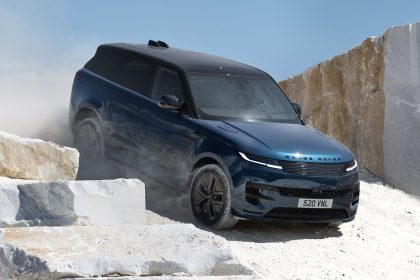
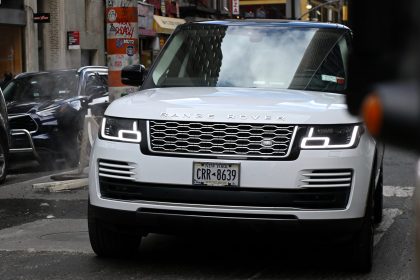
Management points to the United States as a source of growth. JLR is in the process of agreeing a deal for Stellantis to manufacture Land Rovers in the US for the first time. The company has also started producing electric Land Rovers, beginning with the Range Rover at Solihull. Electric versions of the Range Rover Sport, Defender and Defender Sport will follow.
What has JLR’s leadership said?

JLR Chief executive PB Balaji focused on competition from China. He called for the UK and EU to stop plans for new post-Brexit trade barriers on each other. The industry is lobbying to delay “rules of origin” from 1 January, which could impose 10% tariffs on UK-EU electric cars with Asian batteries. Balaji said: “We just need time to ensure all these plans start coming into fruition.”
He also expressed confidence in the turnaround. Balaji said the US growth plans and the drive to cut break-even to 300,000 units position JLR to deliver “consistent cash-accretive growth” in the coming years. Tata Motors’ passenger vehicles arm said it remained focused on new launches, cost reductions and better cash generation.
What should fleet operators watch?
The results show no sign that JLR is retreating from its core markets. They do show a business under pressure to protect cash and fix its product mix. Fleet managers should watch how quickly the electric Range Rover Sport, Defender and the new Jaguar models reach customers. Pricing, incentives and model availability could all shift as JLR works towards its savings targets.