
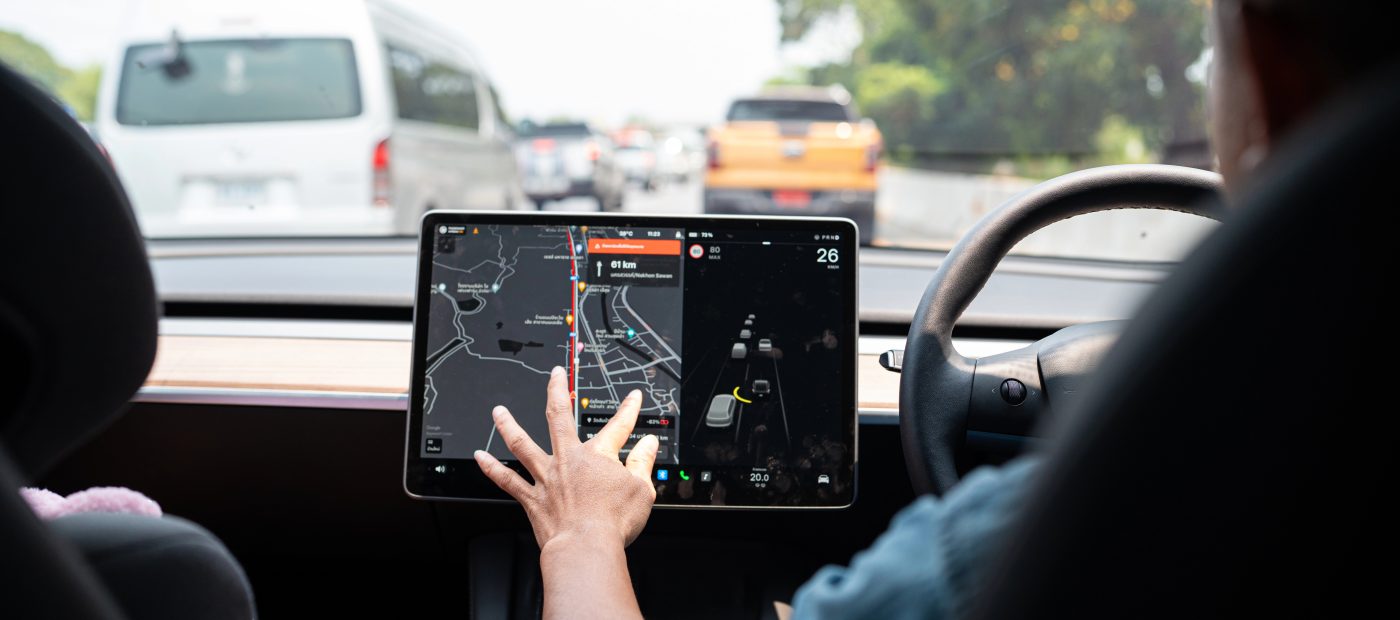
In-vehicle touchscreens could be the next big fleet safety focus
In-vehicle touchscreens are likely to become the next major focus for fleet safety, according to Arval UK. Evidence of their negative impact continues to grow.

Ian Pearson, head of insurance at the vehicle leasing and mobility specialist, said awareness of the dangers of the technology was increasing.
What the Allianz research found
Ian pointed to a recent study from Allianz as the strongest evidence so far.
“There have been several studies in this area, but perhaps the best to date has just been issued by Allianz. It found one in three accidents could be linked to in-car distractions including touchscreen use.
“Interestingly, it also reveals a variance between touchscreens. There is a 25% gap between the best and worst in the time taken to find and access safety-critical functions, depending on vehicle design.”
The report recommends that future touchscreens use clearly marked zones for critical functions such as wipers, indicators and headlights. Alternatively, it suggests that manufacturers should fit physical controls.
China moves towards physical controls
Ian also highlighted a recent change in China, where regulators now require physical buttons or switches for a range of key vehicle functions.
Ian said: “It’s notable the authorities in China have recently stipulated physical buttons or switches for a range of key vehicle functions, including hazard lights, indicators, high beams, fog lights, wipers and washers, defrosting and defogging windows and more. These controls will have to be a certain size and give tactile or audible feedback.
“The Chinese regulators, following their own investigations into the potential risks of touchscreens, appear to be thinking along the same lines as the authors of the Allianz report. It seems to us an indication of a growing direction of travel for this area of fleet safety.”
Why fleets should act on touchscreen risks
Ian advocates that fleets start to build this thinking into their own risk management.
“Developments such as the Allianz research and the new Chinese regulations seem to be creating a moment when touchscreens may become the next big fleet safety topic. While this is not a new conversation, the information available has improved.
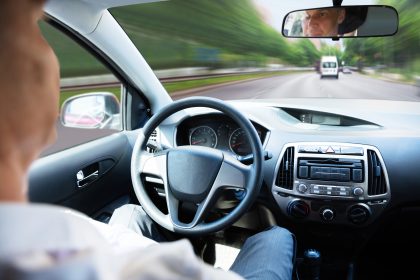
“Most vehicles used by fleets in 2026 have at least some functions accessed through touchscreens, and sometimes those functions are buried deep in a sub-menu of a sub-menu. The potential for distraction on the road is substantial.
“There is certainly a case for fleets making drivers aware of the dangers that touchscreens represent and urging caution. It’s important they understand the technology, are familiar with how it works in their vehicle, and also prepare ahead of any journey.
“Specifically, drivers who are transitioning to key controls on a touchscreen after being used to physical buttons should take time to master their new dashboard before driving so they can stay focused and safe once moving.”
Brake Road Safety Week offers a timely opportunity
Ian added that fleets could build any such campaign into the forthcoming Brake Road Safety Week, which runs from 15 to 21 November. This year’s theme is Safe People on the Move.
“Brake is highlighting that road users with the potential to do the greatest harm have the greatest responsibility – and fleet drivers in cars and vans using touchscreens can certainly pose a danger to pedestrians, cyclists and others.”