
RAC urges Government to introduce alcolocks
The RAC is calling on the Government to introduce alcohol interlocks, known as alcolocks, to tackle repeat drink-driving. The call comes as ministers prepare to respond to their consultations on the Road Safety Strategy. The RAC has written to road safety minister Justin Madders with a new review of international evidence. It shows how effective alcolocks can be at reducing drink-drive casualties.
What are alcolocks and how do they work?
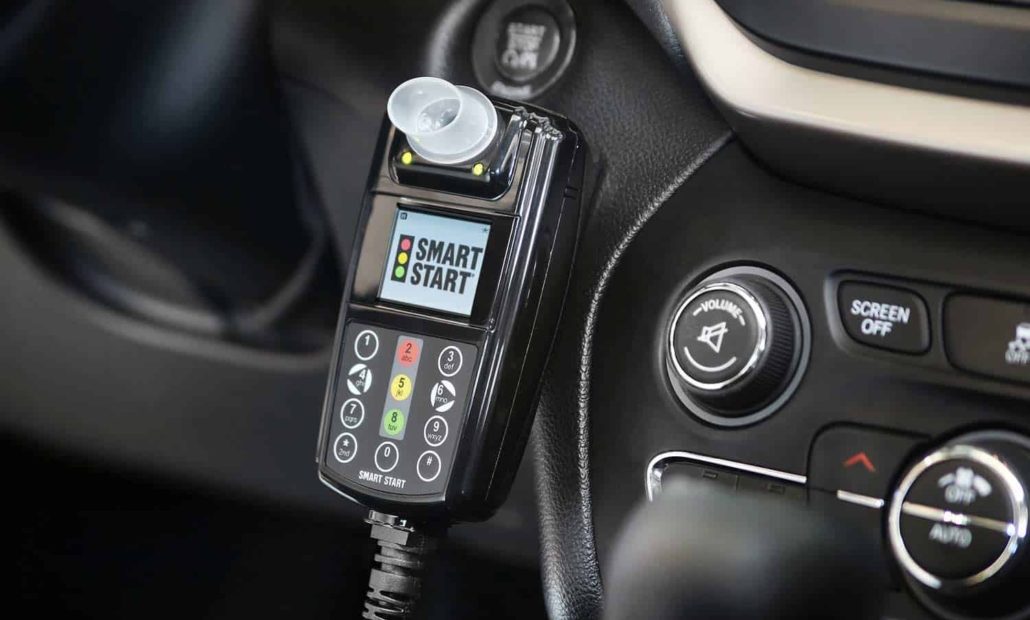
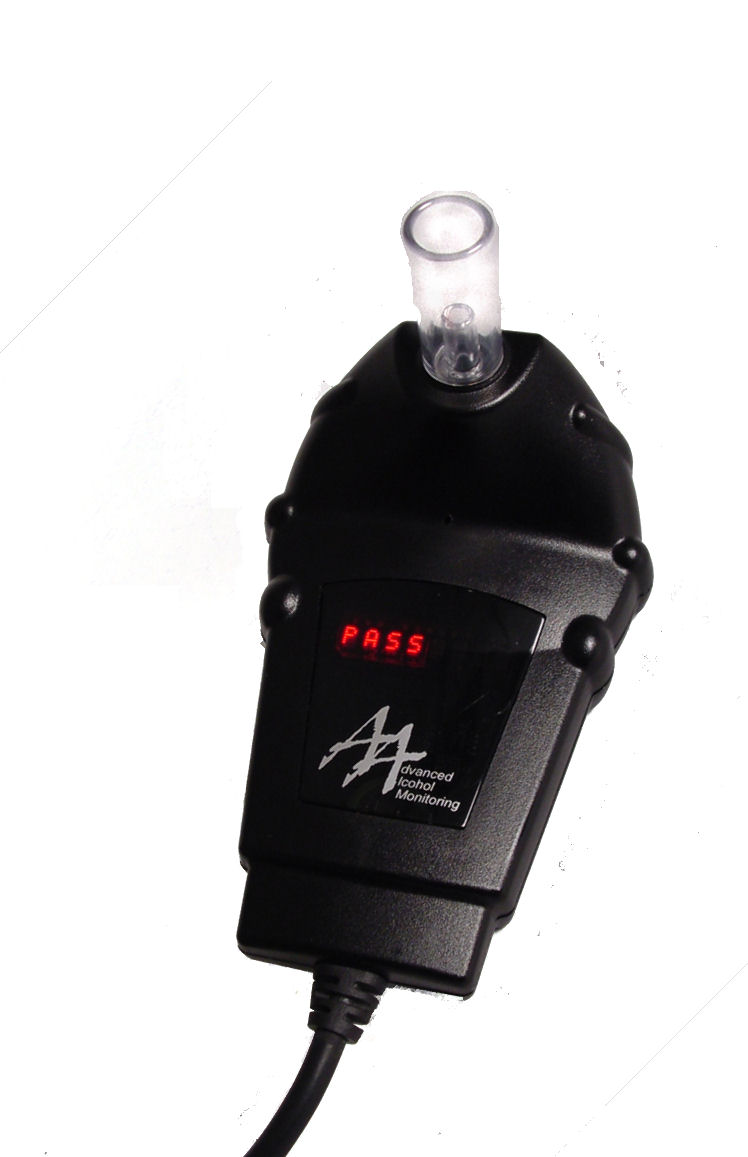
An alcolock is a breathalyser device fitted to a vehicle’s ignition. If the driver has consumed alcohol above a set threshold, the vehicle will not start. The Government asked for views on the technology as part of its consultation on toughening motoring offences to improve road safety.
Many countries already use alcolocks to tackle repeat drink-driving, including France, Belgium, Canada, Australia and the United States. The RAC believes the UK should now follow suit.
What does the international evidence show?
Recent evidence from California suggests alcolocks make a clear difference. Fitting one within two years of a driver’s arrest for drink-driving led to a 17% reduction in reoffending. It also led to an estimated 26% reduction in associated crashes. Researchers concluded that the benefits would be even greater if more drink-drivers had alcolocks fitted.
The evidence also shows that the benefits can last beyond the programme itself. In France, drink-drive reoffending ranged between just 1.6% and 2.1% after an alcolock programme finished. For drivers who had only lost their licences temporarily, the figure was 6%. In Florida, repeat offending fell by nearly a third compared with offenders who had not been on a programme.
A well-designed programme can protect other road users immediately. It can also create an opportunity to change the behaviour that led drivers to offend in the first place.
Strong public backing for alcolocks
The public supports the technology too. Four in five drivers (82%) surveyed by the RAC back its adoption in the UK. RAC figures show drink-driving is drivers’ joint second biggest concern about other road users. It sits marginally behind poor driving standards and aggressive driving habits. Among drivers aged 17 to 24, it is the top concern.
“These words now need to be followed swiftly by action”
RAC head of policy Simon Williams said: “The Government has stated clearly that drink-driving is unacceptable, and that it’s committed to combatting such behaviour. These words now need to be followed swiftly by action – not least as drivers over the legal limit are responsible for around 1,740 deaths and serious injuries every year, the equivalent of four a day.
“While Government may be minded to reduce the drink-drive limit in England, doing so alone won’t solve the problem of repeat drink-driving. Our analysis has shown thousands of drivers have been convicted three or more times, so a fundamentally different approach is needed for habitual offenders.
“Alcolocks are a preventative measure – they stop repeat offenders drink-driving in the first place, which other policy options can’t. But they can do more than this: international evidence shows that, when implemented effectively, they can also reduce the chances of offenders drink-driving again afterwards.
“While alcolocks would be new to the UK, they’re a tried-and-tested technology and trusted across the world. What’s more, they have strong public backing as several pieces of RAC research demonstrate. So, we strongly believe the Government’s focus should be on designing a scheme that offers the greatest benefit in terms of both reducing casualties and rehabilitating offenders.
“We stand ready to work with the Government in helping design an alcolock programme that delivers real benefits, both while the devices are fitted to drivers’ vehicles and in the period afterwards through proper rehabilitation.”
The Lock Out Drink-Driving Campaign
For more details on the Lock Out Drink-Driving campaign, see https://media.rac.co.uk/lock-out-drink-drivers-campaign and www.lockoutdrinkdriving.org.uk.