

Mercedes-Benz freezes German investment and considers plant closures
Mercedes-Benz has frozen investment at its German plants and is now examining possible closures. Reuters reported the decision from a memo to workers, taken from an interview with board members on the company’s intranet. It marks a sharp escalation in a months-long row over labour costs. For fleet managers, it raises fair questions about the future of one of Europe’s best-known premium brands. This article explains the background, the finances, the alternatives and whether this is a bargaining tactic.
Why has Mercedes-Benz frozen investment in Germany?
Production chief Michael Schiebe told staff: “The executive board has jointly decided to halt all further investments in German sites.” Management argues that the current cost structure makes new projects economically unviable. Schiebe says an hour of production labour in Germany can cost up to five times as much as at Eastern European sites. Mercedes’s plant in Kecskemét, Hungary, became its biggest factory this year.
Britta Seeger, the board member for human resources, said the company was “forced to examine, in concrete and detailed terms,” which German sites it can still afford to maintain. She added: “We all want to avoid plant closures at all costs. Unfortunately, however, we must now pursue this option in more concrete terms.” She also said that no solution was currently in sight.
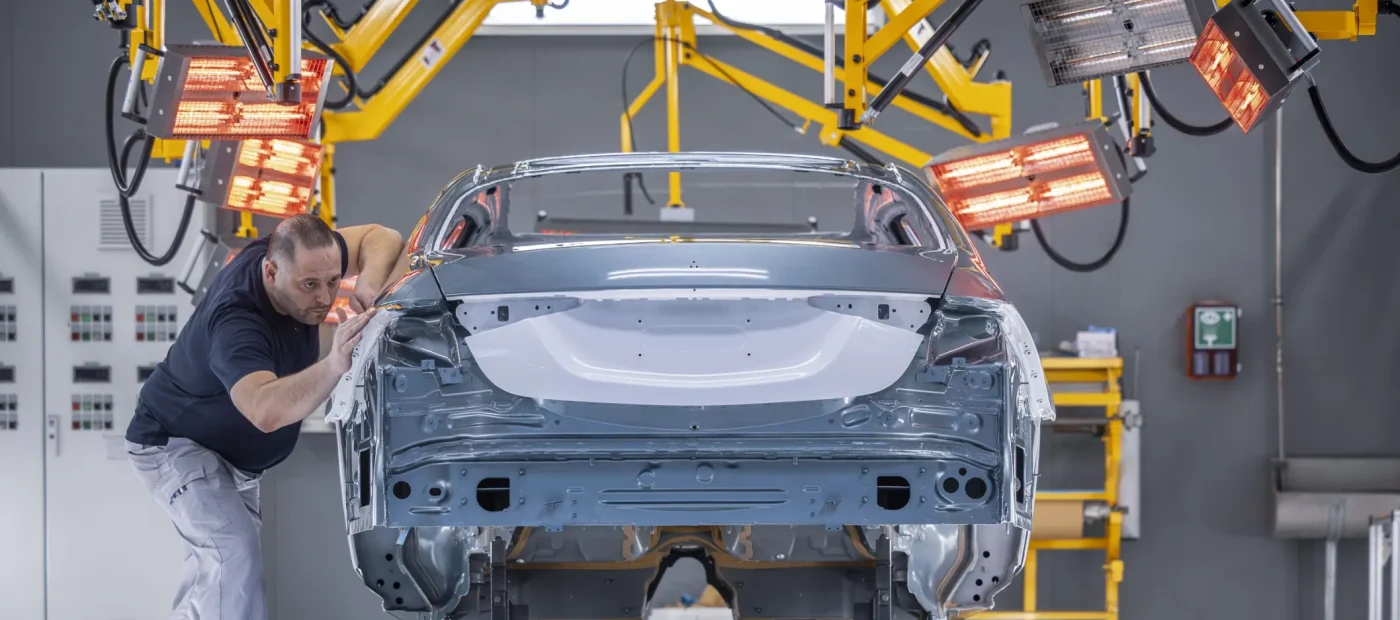
The warning builds on an earlier one. In September, Schiebe said the company could close one assembly plant and one powertrain plant if costs did not fall. Projects already under way, such as the billion-euro paint shop at Sindelfingen, will continue.
Is Mercedes-Benz in trouble?
Mercedes-Benz faces real pressure, but it is not in crisis. Third-quarter group net profit rose to €1.52 billion, and the cars division posted record electric vehicle sales, up 61 per cent. The core cars business looks weaker. Adjusted profit at Mercedes-Benz Cars halved to €560 million, and the division swung to negative cash flow. The margin fell to 2.5 per cent from 4.8 per cent a year earlier.
China explains much of the damage. Cars sales fell 8 per cent to 407,000 units, and China accounted for the entire decline. Mercedes cut its 2026 cars margin forecast to between 2 and 3 per cent, down from 3 to 5 per cent, and its shares fell 4.2 per cent. The chief financial officer expects the fourth quarter to be roughly break-even for cars.
Rivals face the same squeeze. Volkswagen plans to cut 120,000 jobs globally by the end of the decade. Its own talks with IG Metall begin on 24 November.
What alternatives is Mercedes-Benz considering to cut costs?
Mercedes says it would rather trim costs than close factories, and it has several levers. The biggest is working time. Management has asked for the working week to rise from 35 to 40 hours without extra pay. Seeger says profit sharing, holiday pay and Christmas bonuses are also under review. Insiders say Mercedes wants savings of up to €800 million. Seeger said managers have had no pay rise in two rounds and that the board will give up part of its pay.
The company is also shrinking its workforce. Its “Next Level Performance” programme targets €5 billion in savings by 2027. Around 5,500 employees took voluntary severance between April 2025 and March 2026. Chief executive Ola Källenius said Mercedes will reopen the voluntary severance programme in Germany in December.
The final lever is geography. Schiebe warned that without a change in costs, successor models would be built only abroad. Mercedes must decide on the next generation now because of long lead times. That makes the freeze more than a symbolic gesture.
Is this just a tactic in the IG Metall negotiations?
In part, yes. Some analysts describe the freeze as a pressure tactic after months of failed talks. Electrive says the hard line aims to move the negotiations forward. The timing supports that reading. Seeger called IG Metall’s 5 per cent pay demand excessive, and one report says 24-hour strikes could begin as soon as next week.
The union has dug in. IG Metall treats the 35-hour week as a red line, and the works council has even tabled a 30-hour counter-proposal. Ergun Lümali, who chairs the general works council, argues that longer hours are no answer when plants have spare capacity. Employee representatives have pledged to fight for the German sites.
It would be wrong to dismiss the threat as pure theatre, though. A senior works council figure says management is weighing the closure of engine production at Untertürkheim, the company’s historic home. A compromise is still possible. IG Metall has proposed temporary exceptions to collective agreements in return for binding investment commitments, and Källenius is on record as open to that offer. The threat will fade once Mercedes assigns new models to German plants again and approves investment. The evidence points to a genuine cost problem and a hard negotiating stance at the same time.
What does this mean for fleet buyers?
The freeze does not halt production. Assembly lines keep running, and current cars will still be built. The bigger question is where Mercedes builds future models. Fleet managers should watch the talks, the strike risk and any delivery delays over the coming months. Fleetpoint will report on further developments.