
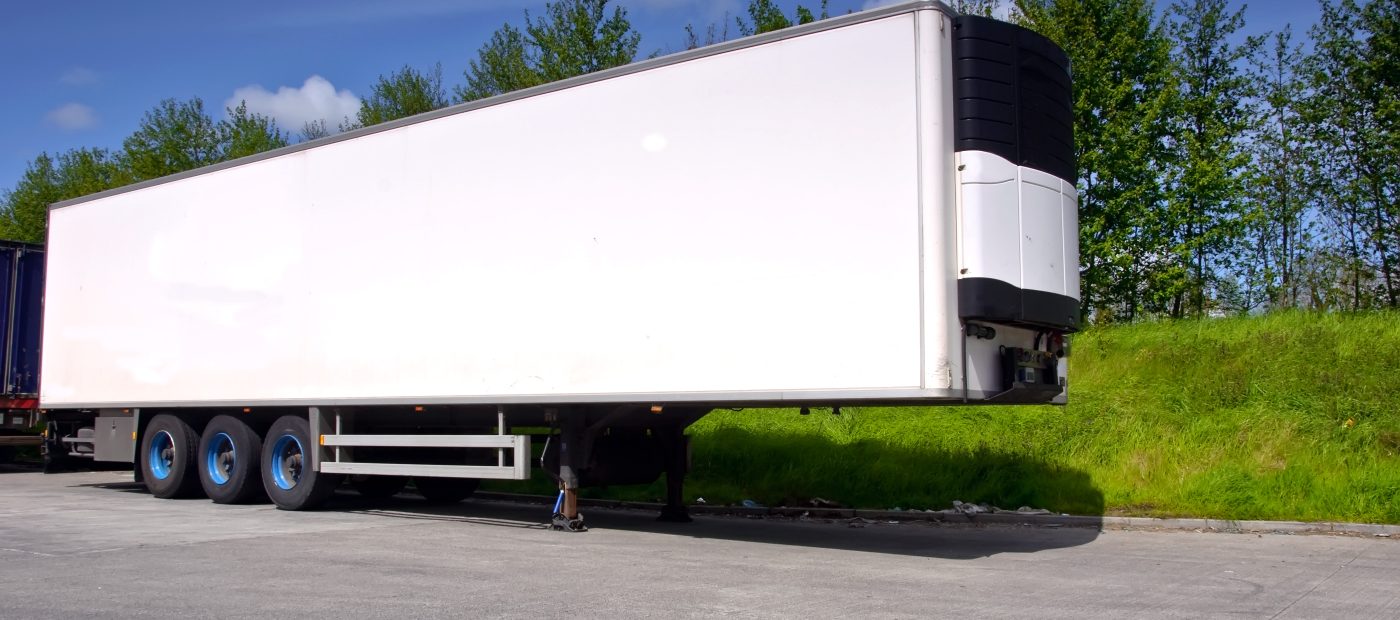
Digital twins for refrigerated trucks to reveal hidden hot spots
Keeping fruit fresh after harvest depends on cooling it evenly throughout transport. That is harder than it sounds. A fully loaded refrigerated truck is a complex system, and cool air must circulate between tightly stacked cartons and pallets. Airflow velocity, packaging and pallet arrangement all affect how well this works.
Yet most trucks rely on a single sensor to monitor temperature. It records a temperature curve for the whole journey, but only at its own location. Researchers at Empa, the Swiss research institute for materials science and technology, want to change that. They have built a virtual refrigerated truck that shows where hot spots form and how they affect the cargo.

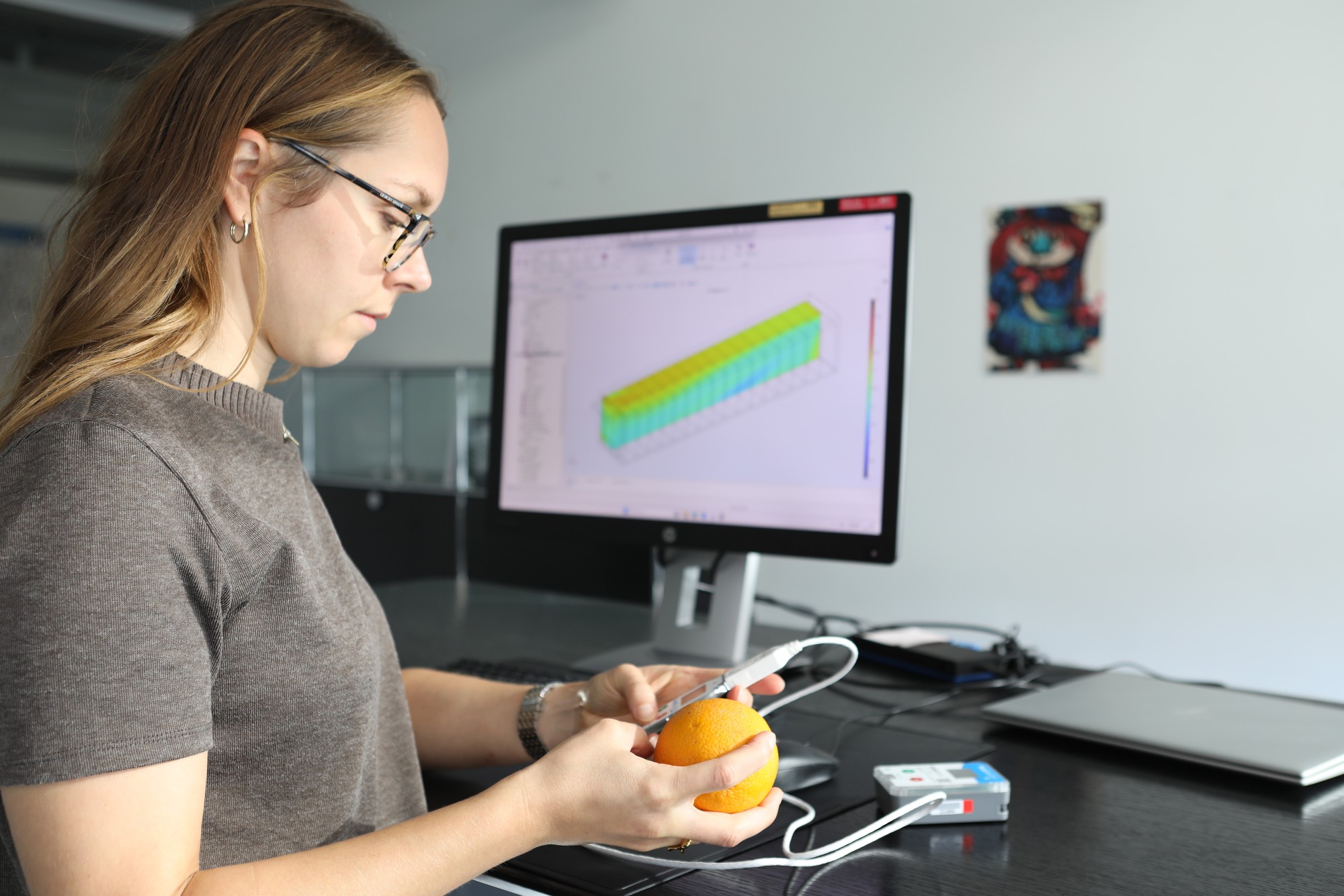
“Our digital twin simulates air circulation and heat transfer throughout the entire cargo compartment. This allows us to estimate the temperatures at various points within the load,” says Empa researcher Elisabeth Tobler.
How the virtual refrigerated truck works
The team digitally recreated a refrigerated truck loaded with oranges and lemons. Their physics-based model calculates how cooled air flows through different types of packaging. It also works out how heat passes between the air and the cargo. The model accounts for the fruit’s starting temperatures, along with the small amount of heat the fruit generates through respiration.
To test the digital twin, the researchers fed it real-world data on the cargo, the initial temperatures and the refrigerated air. The data came from a commercial shipment from Nafplion in Greece to Pratteln in Switzerland. The 31 pallets of oranges and lemons were pre-cooled for about 24 hours. They then travelled for four days at a temperature of four to six degrees.
Putting the digital twin to the test
Next, the researchers compared the calculated temperatures with real measurements. During packing, they had placed 108 sensors at various points throughout the cargo. Of these, 97 recorded fruit temperatures. The rest measured air temperature, along with the supply and return air of the refrigeration unit.
“This was a challenging test for our digital twin,” says Tobler. “Not all the fruit had been cooled down evenly at the start, plus the oranges and lemons were in different types of packaging. Nevertheless, the model was able to accurately reproduce the key temperature trends at most locations.”
Warm pallets affect the whole load
The measurements did reveal some discrepancies. Oranges in the middle of the truck warmed up more than the Empa model had predicted. Their temperature rose from about 7.7 to as high as 10.8 degrees, even though the cooling air was significantly colder. “We suspected that, in addition to the monitored pallets, there were insufficiently pre-cooled pallets that had not been equipped with sensors,” explains Tobler.
In a second calculation, the researchers raised the assumed initial temperature from about 5.4 to 10 degrees. The simulated trend then matched the real measurements much more closely. “In the simulation, we were able to track how heat was transferred from one pallet to the next and carried further by the airflow. The model thus supported our hypothesis,” said the Empa researcher.
The study also showed that a truck’s refrigeration system has limited capacity to cool fruit that is too warm inside a densely loaded pallet. These units are designed mainly to maintain the temperature of pre-cooled goods. Fruit that is loaded too warm also affects neighbouring pallets during transport.
Why packaging matters for airflow
Packaging plays a crucial role as well. In the shipment studied, the lemon crates had ventilation openings on several sides. The short sides of the orange cartons were closed.
“When it comes to packaging, it’s not just about how it looks or how sturdy it is,” says Tobler. “It must also allow cool air to reach the produce. It’s equally important that the pallets are aligned evenly and that the openings aren’t blocked by adjacent boxes.”
From simulation tool to live monitoring
At first, the digital twin works as a simulation tool. Logistics companies and producers could use it to test new packaging, a changed pallet arrangement or different air circulation. Tobler says companies with standardised shipments would benefit most, particularly those that regularly use the same trucks, packaging and loading patterns.
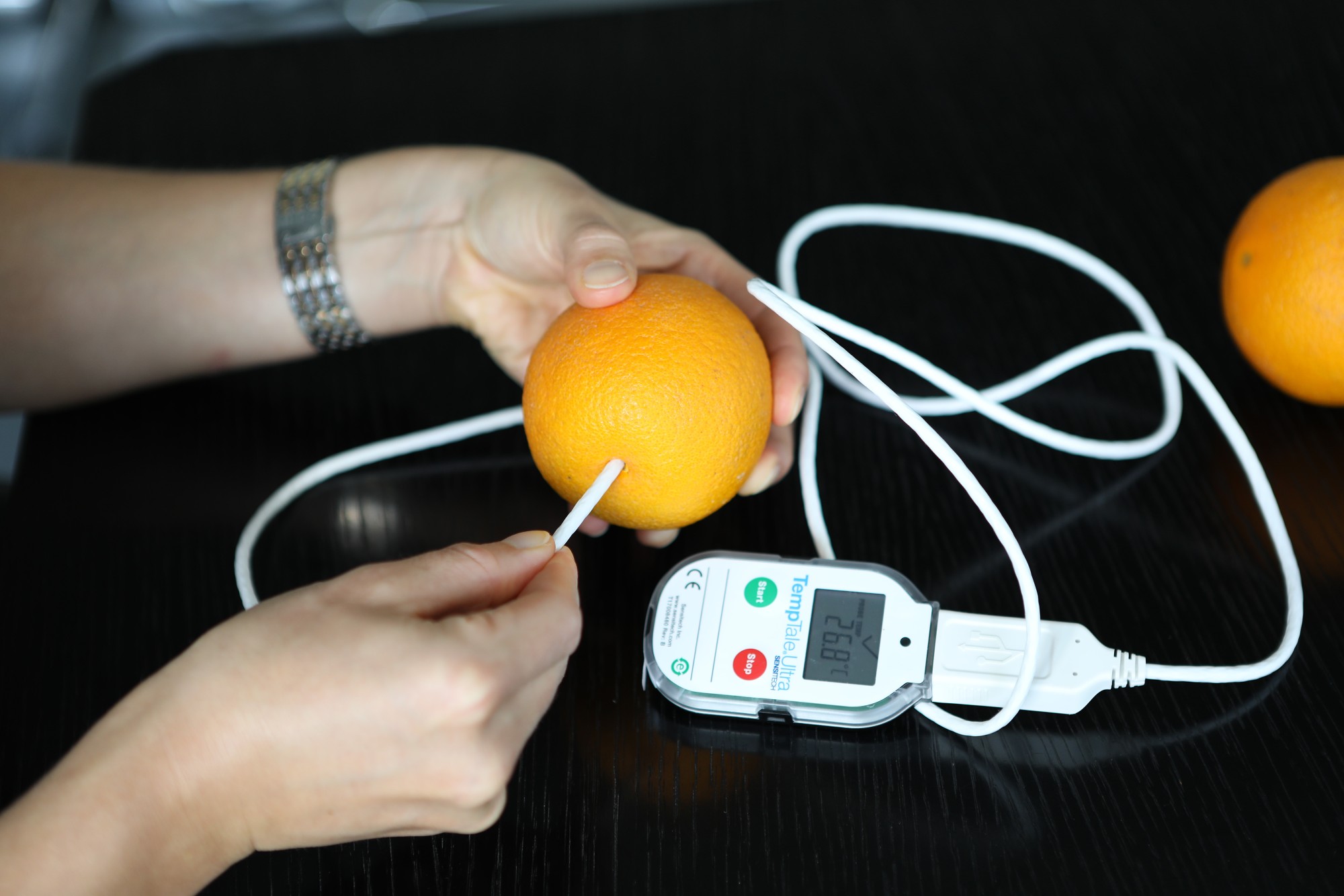
In the future, the model should also complement monitoring systems. The researchers plan to link it to real-time sensor data from an ongoing shipment. The sensor provides the connection to reality, while the model uses this data to deduce conditions across the entire cargo area.
“Much of the necessary data is already being collected. The key is to bring it together and use it in the right place at the right time,” says Tobler.
This approach would let importers identify which pallets met higher temperatures, even before a shipment arrives. They could then inspect those pallets more closely. Goods with a shorter expected shelf life could also reach the market earlier.
Reducing food waste across the supply chain
The longer-term aim goes beyond temperature readings. “In the long term, the goal is data-driven monitoring of the supply chain,” adds Empa researcher Thijs Defraeye. “The digital twin is not only intended to display temperatures but also to help companies manage their shipments and the handling of incoming goods more effectively, thereby reducing food waste.”