
The UK Government has launched its first Road Safety Strategy in more than ten years, setting out plans it says will save thousands of lives by tackling drink driving, improving young driver training and introducing mandatory eyesight testing for older motorists.
Unveiled today (Wednesday 7 January), the strategy aims to reduce deaths and serious injuries on Britain’s roads by 65% by 2035, with an even more ambitious 70% reduction target for children under 16.
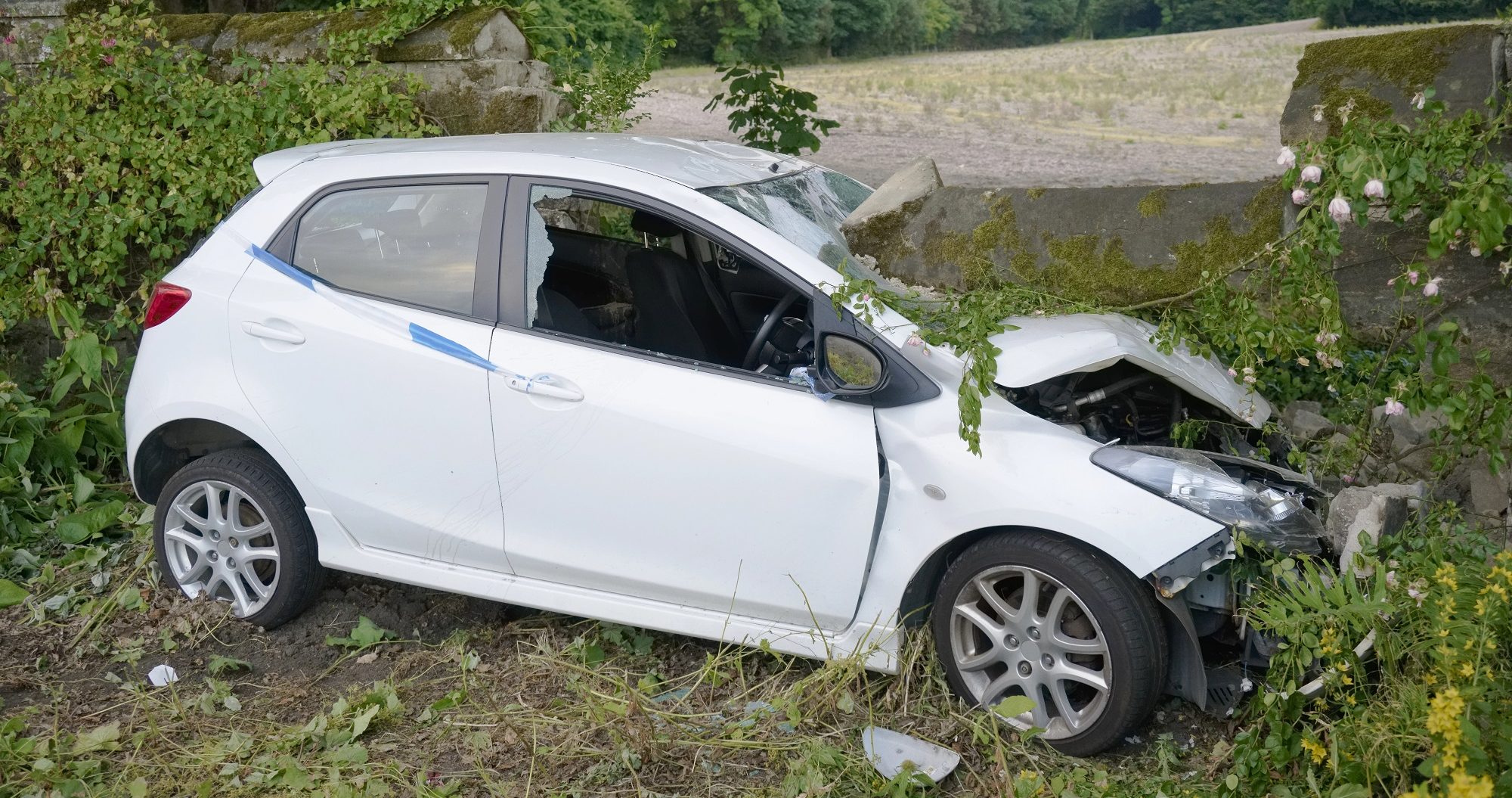
Around four people are killed on Britain’s roads every day, with many thousands more seriously injured each year. The Government believes a renewed focus on speeding, drink and drug driving, seatbelt use and mobile phone distraction could prevent many of these incidents.
A key element of the strategy is a consultation on lowering the drink-drive limit in England and Wales, which has not changed since 1967 and is currently the highest in Europe.
In 2023, one in six road fatalities involved drink driving. The consultation will also explore the wider use of preventative technology such as alcohol interlock devices, alongside new powers to allow police to suspend driving licences for those suspected of drink or drug driving.
Under the proposals, some convicted drink-drive offenders could be required to install an alcohol interlock in their vehicle as a condition of returning to the road.
Inexperience remains a major factor in serious collisions. Drivers aged 17–24 make up just 6% of licence holders, yet are involved in 24% of fatal and serious crashes. To address this, the Government will consult on introducing a minimum learning period of three or six months, giving learners more exposure to night driving, poor weather and heavy traffic.
With the number of older motorists increasing, a consultation will also be launched on mandatory eyesight testing for drivers aged over 70, alongside the development of options for cognitive testing.
The strategy also targets the growing problem of illegal number plates, including so-called ‘ghost’ plates designed to evade enforcement cameras. Measures will also step up action against uninsured drivers and vehicles operating without a valid MOT.
Secretary of State for Transport Heidi Alexander said: “Every life lost on our roads is a tragedy that devastates families and communities. For too long, progress on road safety has stalled. This strategy marks a turning point.
“We are taking decisive action to make our roads safer for everyone, from new drivers taking their first lessons to older motorists wanting to maintain their independence. The measures we are announcing today will save thousands of lives over the coming decade.”
Local Transport Minister Lilian Greenwood added: “Our vision with this ambitious Road Safety Strategy is clear: to ensure that people can travel safely on our roads however they choose.
“One of the hardest parts of my job is speaking to families who have lost loved ones on our roads and this is something we as a Government are taking action to prevent. No family should have to endure that loss, and this strategy sets out how we will work to ensure fewer do.
“Experts and campaigners have long called for a comprehensive strategy that treats road safety as a shared responsibility – from car manufacturers and town planners to drivers and legislators.
“This strategy, the first in over a decade, shows a Government that is not just listening, but leading, and together, we can build a safer future for all road users.”
Over the past decade, 22 European countries have outperformed the UK in reducing road deaths, pushing Britain from third to fourth place in European road safety rankings.
The new strategy adopts the internationally recognised Safe System approach, which accepts that while human error is inevitable, deaths and serious injuries are not. Responsibility is shared across road design, vehicle safety, education and enforcement.
A new Road Safety Investigation Branch will analyse collision data using linked police and healthcare records to identify root causes and inform targeted prevention measures.
The strategy mandates 18 new vehicle safety technologies, including autonomous emergency braking and lane-keeping assistance, ensuring UK road users benefit from consistent safety standards across Europe.
Vulnerable road users remain a priority. Motorcyclists account for 1% of traffic but 21% of road deaths, while children in the most deprived areas face four times the pedestrian casualty rate of those in the least deprived communities. Planned measures include reforms to motorcycle training and trials to improve safety on rural roads.
Edmund King OBE, Director of The AA Charitable Trust and AA president, said: “This is a positively radical reframing of road safety which is long overdue. We commend the government for its wide ranging and ambitious strategy and ambitious targets which we hope will save the lives of thousands of people.
“Tackling drivers who drive under the influence of drink or drugs, people who don’t wear their seatbelts and those getting behind the wheel without insurance are key to reducing road deaths and serious injuries. We also endorse the mantra of road safety being a life-long education, not just when learning to ride or drive.”
Nicholas Lyes, IAM RoadSmart Director of Policy and Standards, said: “After what can be described as a lost decade in terms of reducing the number of killed and seriously injured on the roads, we welcome the Government’s commitment to ambitious targets and robust policies to make our roads safer. The strategy focuses on all key aspects including behaviours, training, vehicle technology and enforcement – all of which play a crucial role in keeping us safe on the road.
“An emphasis on younger drivers and motorcycle safety is particularly positive… We’re also pleased to see action being taken on drug driving, which is a growing menace.”
Rod Dennis, RAC road safety spokesperson, said: “We’ve long said the dial needs to be turned up when it comes to reducing road casualties, so we warmly welcome this strategy – and especially the reintroduction of casualty reduction targets, that were scrapped 16 years ago.
“Britain might have some of the safest roads by international standards, but on average four people are still killed and 76 seriously injured every single day… What we need now is for it to quickly evolve into a set of concrete actions that make the roads safer for everyone.”