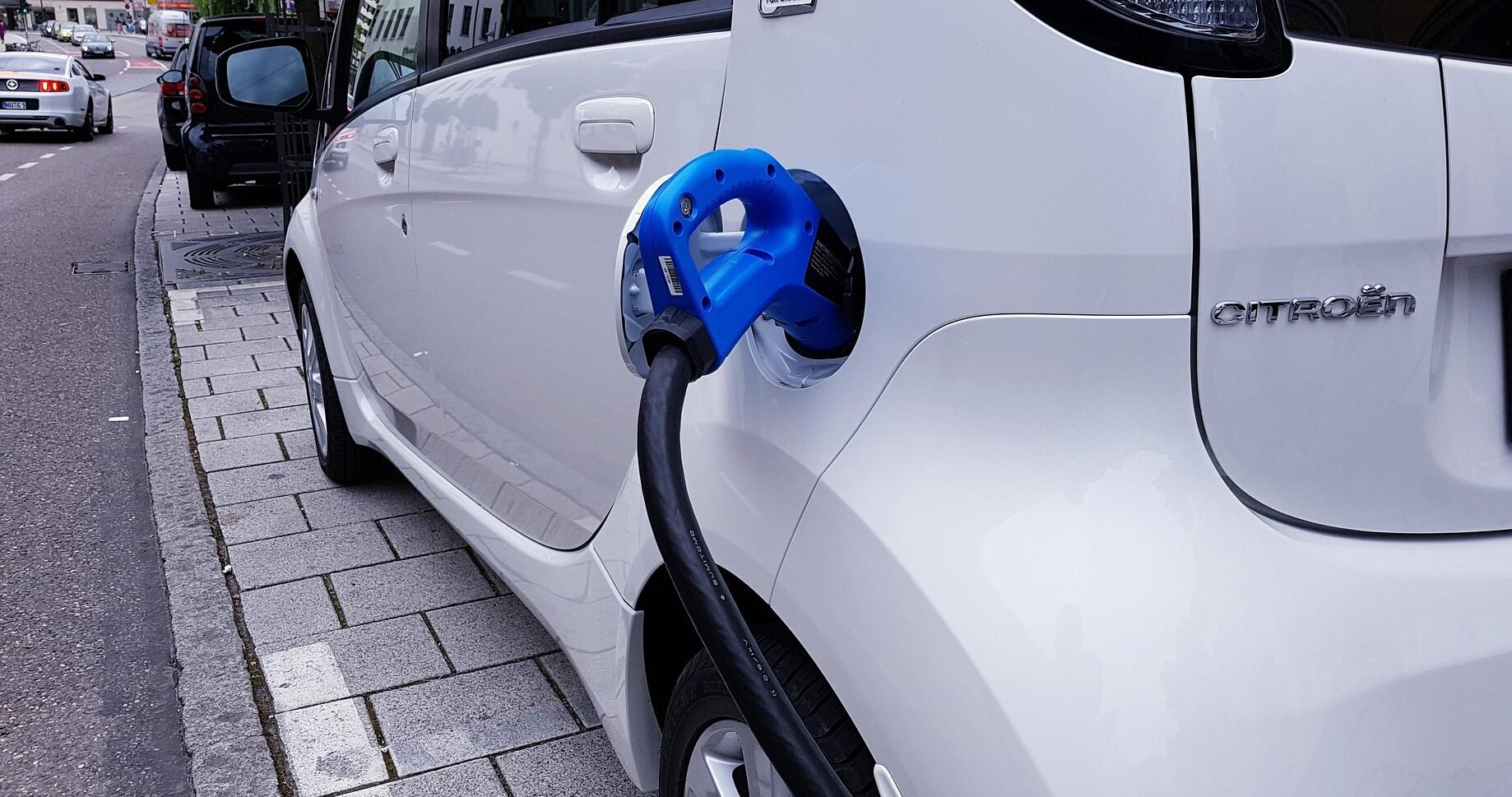
There were a number of issues within the budget that have an effect on fleets, fleet and transport managers. One of the highlights of the Chancellor’s speech was the confirmation that there will be a per-mile road charge for EV cars. This, of course, has proved to be controversial with many commentators suggesting that this could slow down the move to EVs.

Simon Reilly
Simon Reilly, CEO of Aurora Untilities Limited, the IDNO (Independent Distribution Network Operator), offers a different view and feels this could be the catalyst to accelerate the move:
The UK Autumn Budget (26 November 2025) has delivered the clearest signal yet that the transition to electric vehicles (EVs) is here to stay. The introduction of a per-mile road charge for electric and plug-in hybrid cars from April 2028 marks a formal shift into a new phase of electrification, one where EVs become part of a long-term taxation model rather than a subsidised alternative.
Yet the Budget did more than introduce a new tax. It also reaffirmed the government’s commitment to electrification, announcing £1.5 billion of fresh EV support, including £1.3 billion for the plug-in grant scheme and £200 million for charging rollout, particularly through local authorities.
For fleet operators, logistics businesses and charge point operators (CPOs), this combination of tax pressure and infrastructure investment is not contradictory. It is a roadmap that shows electrification is moving from early-adopter incentive to large-scale integration.
Why the tax-and-invest package matters, and how they work together
A mileage-based charge understandably raises concerns. If extended to commercial vehicles, a strong possibility given the structure of the proposal, higher-mileage vans, trucks and HGVs may see annual operating costs rise, lengthening EV payback periods for certain fleets.
However, the same Budget that introduced the road charge also sought to remove two of the biggest barriers to adoption; high upfront vehicle costs and uneven charging availability.
The expanded grant scheme lowers acquisition costs for fleets facing budget constraints, while new funding for local authority-led charging will increase access for operators without depot infrastructure.
The government’s message is clear: EVs will be taxed, but they will also be supported. The aim is not to slow the transition, but to stabilise it.
For the commercial sector, which plans on a multi-year horizon, that stability is often more valuable than any individual incentive.
What this means for fleet operators
The Budget 2025 reshapes the cost environment, but it also expands the strategic levers available to fleet operators, here’s out predictions:
- Total cost of ownership will become more balanced: Per-mile charges may increase running costs, but these can be offset by lower vehicle purchase prices, more predictable energy costs, and the continued maintenance savings EVs offer, particularly for high-utilisation fleets.
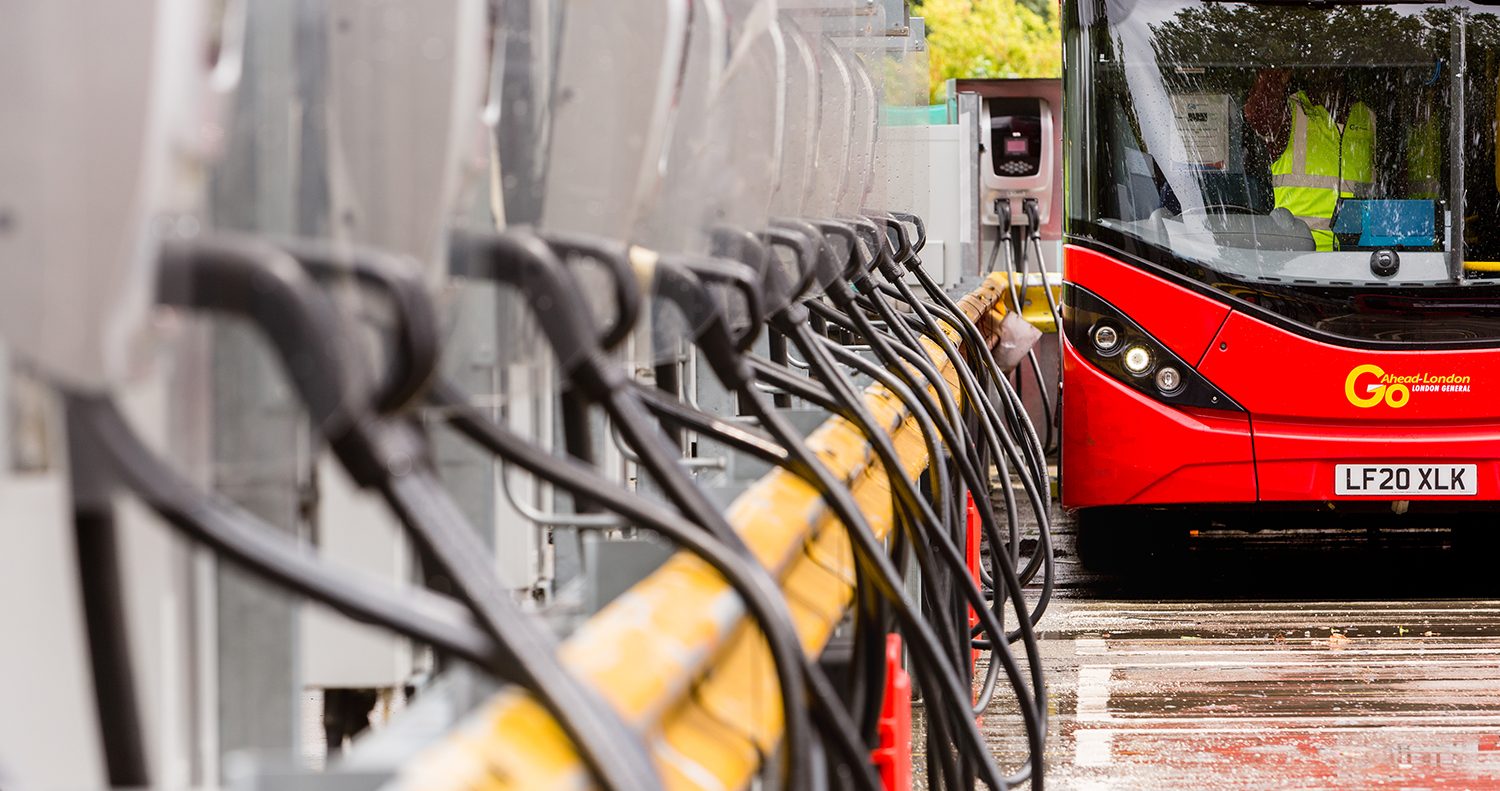
- Charging access will improve where fleets need it most: The additional £200 million funding for the infrastructure rollout will support local authorities in deploying more on-street and near-home charging. This is a significant benefit for SMEs, mixed fleets and operators without private depots.
- Depot and on-site charging will become a strategic priority: As public charging remains variable in price, availability and reliability, the strategic value of controlled, low-cost depot charging increases. For many operators, this could become the cornerstone of their long-term EV economics.
- Electrification will become a long-term infrastructure decision: Fleets that treat electrification as an operational transformation, not a grant-dependent experiment, will be best placed to protect margins and stay ahead of tightening sustainability and ZEV requirements.
The impact on charge point operators (CPOs)
For CPOs and infrastructure investors, the Budget offers clarity, something the sector has long needed, here’s our predictions:
- Fleet-driven charging demand will grow: As EV uptake among commercial operators accelerates, demand for hubs, ultrafast corridors, depot charging solutions and charging-as-a-service partnerships will expand.
- A more predictable investment environment will be created: The £1.5 billion package reduces policy uncertainty and strengthens long-term confidence in charging infrastructure returns.
- Infrastructure quality will become the key differentiator: With EVs embedded into national fiscal policy, CPOs that deliver reliability, availability and fleet-grade charging capability, including uptime guarantees, will become strategic partners to operators. The speed in which they can connect new points to the grid will matter more than ever.
Turning tax into opportunity
At first glance, a mileage-based charge might look like a deterrent. In reality, when paired with lower vehicle costs and accelerated infrastructure rollout, it signals a critical truth: electrification is no longer optional. In fact, it is being formalised as the backbone of the UK’s transport system.
For fleet operators, this creates a more stable environment for long-term planning, from infrastructure investment to energy management and depot strategy.
For CPOs, it clarifies where value will be created over the next decade, in scalable, dependable, fleet-focused infrastructure rather than reliance on consumer-led demand spikes.
At Aurora, as an IDNO already enabling the energisation of smart, nationwide EV infrastructure, we see the outcome of the 2025 Budget as a pivotal moment. The UK now has clearer rules and renewed financial backing. The next step is to ensure fleets and CPOs can connect quickly, reliably and cost-effectively, so that every mile driven in a commercial EV is productive, sustainable and future-proof.