

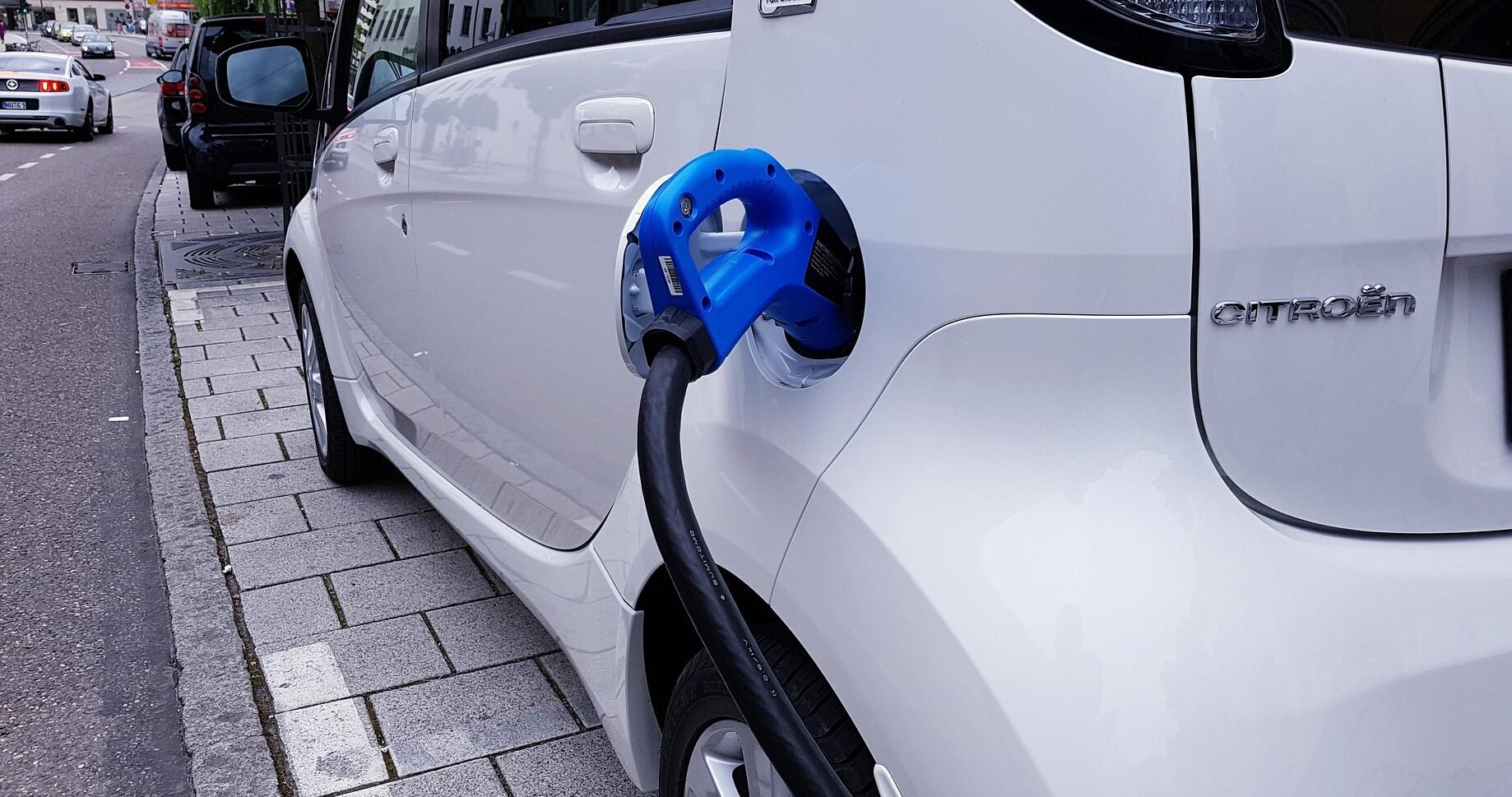
As 2026 gets underway, the UK’s shift toward electrifying transport remains crucial for achieving net‑zero goals. While the uptake of electric vehicles in 2025 has been significant, it has also highlighted practical challenges that must be tackled for the clean energy, EV transition to advance smoothly.
In this article, Michelle Little, Head of Propositions at So Energy, reflects on the progress made in 2025 and outlines what the sector must prioritise in 2026.
Looking back at 2025
Last year saw significant progress in the UK’s electric vehicle (EV) journey. Battery electric vehicles (BEVs) accounted for around 23–24% of all new cars sold, meaning nearly one in every four vehicles purchased was fully electric. By the end of 2025, the UK had over 2.8 million plug‑in vehicles on the road, including 1.83 million BEVs and roughly 982,000 plug‑in hybrids, showing strong growth in the zero‑emission vehicle market.
Charging infrastructure also continued to expand. By October 2025, the UK had more than 86,000 public charge points, a rise of about 23% year on year. This progress came despite economic uncertainty, as consumer interest, affordability, and variety of EV models all improved collectively.
Yet the progress was made with some setbacks. For example, the rollout of new public chargers slowed towards the end of 2025, partly due to investor caution linked to a slower‑than‑expected market transition. Surveys further showed a widening divide between drivers who can charge at home and those who cannot. While homeowners generally reported positive experiences, people without home charging capabilities faced higher charging costs, reduced confidence, and limited options, creating a growing accessibility gap.
These challenges reinforce the need for closer collaboration between the energy and transport sectors, alongside regulatory decisions that support accessible, reliable charging nationwide.
Technological shifts and opportunities for 2026
Innovation is redefining the EV experience, extending far beyond the vehicles themselves. Artificial intelligence (AI) is becoming increasingly embedded across the energy ecosystem – enhancing battery management, refining range prediction, enabling smarter charging and improving grid integration.
AI‑enabled battery systems are boosting efficiency and extending driving range, while data‑driven monitoring is improving charger reliability, and helping distribute electrical load more intelligently. Smart charging technologies, many supported by machine learning, are already helping align charging demand with renewable energy output, lowering system stress and reducing costs.
Additionally, in the coming years, vehicle‑to‑grid (V2G) and vehicle‑to‑home (V2H) technology will play a larger role by treating EV batteries as distributed storage assets. This can strengthen grid resilience and create financial benefits for drivers.
As transport and energy systems merge into a more digitised, data‑driven environment, the priority must be ensuring this technological progress translates into simpler, fairer and more accessible charging for everyone.
Priorities for 2026
This year presents a pivotal opportunity to reinforce the policies and infrastructure behind the UK’s electrification goals.
Regulatory consistency will be essential. Stable, long‑term policy direction will lower investment risk and encourage manufacturers to commit to UK‑based EV and battery production. Clear guidance on the 2030 phase‑out of new petrol and diesel cars, along with ongoing ZEV mandate milestones, will help maintain investor confidence.
Infrastructure must keep expanding – not just in total numbers, but in regional density, particularly in rural, remote and underserved locations where range concerns persist. Improving reliability and affordability in these areas is critical for an inclusive transition.
Better coordination between national objectives and local delivery will also help reduce regional disparities. Currently, uneven access to convenient charging remains a major barrier for drivers without home or shared charging.
For the energy and transport industries, 2026 should be defined by execution, integration and partnership. Shared investment models, collaborative data platforms and cross‑sector planning can strengthen network performance and avoid duplicated efforts.
Building the workforce needed for large‑scale electrification is another priority. From battery manufacturing to high‑power grid engineering, developing talent through training programmes, apprenticeships and specialist education will be key.
Finally, as AI and digital tools become core to the sector, embedding them across operations will elevate efficiency and improve customer experience.
Looking forward
The progress made in 2025 underscored how essential the EV transition is to the UK’s net‑zero pathway. Maintaining this momentum requires infrastructure that serves all drivers, policy that remains durable through political shifts, and a technology‑led approach that unites the transport and energy sectors.
With decisive action in 2026, the UK has the opportunity not only to advance adoption, but to position itself as a global leader in the clean energy transition.