
The automotive world is on the brink of a significant shift as the Euro 7 emissions standards are set to be introduced later this year. Designed to reduce the environmental impact of road transport, Euro 7 represents the most ambitious and comprehensive vehicle emissions regulation to date in Europe, with implications for petrol, diesel, hybrid and electric vehicles alike. It marks a pivotal move towards cleaner air and a more sustainable future for motoring.
Euro 7 will officially come into force from 29 November 2026 for newly launched cars and vans needing type approval, with all new vehicles on sale meeting the standard by 29 November 2027 in the UK and EU context. This timeline follows extensive negotiations between the European Parliament and Council, culminating in the adoption of a final regulation that covers vehicles from light passenger cars to heavy trucks and buses.
At its core, Euro 7 is part of a broader environmental strategy to cut harmful pollutants, tackle microplastic emissions and ensure vehicles remain clean throughout their operational life. Unlike previous standards, Euro 7 takes a holistic approach to vehicle emissions, recognising that the sources of pollution span far beyond the traditional exhaust pipe.
Under Euro 6, introduced in 2014 and updated with the Euro 6e standard, carmakers focused primarily on reducing exhaust emissions, including nitrogen oxides (NOx), particulate matter (PM) and hydrocarbons from internal combustion engines. However, these limits did not fully address real‑world driving conditions or emissions generated beyond tailpipes. Euro 7 now fills that gap, driving a comprehensive re‑thinking of how vehicle pollution is controlled.
One of the most notable changes in the Euro 7 framework is the inclusion of non‑exhaust emissions. These are pollutants released during everyday driving that do not originate from fuel combustion, such as brake dust and tyre wear particles. These tiny particles can contribute to airborne particulate pollution and have been associated with health and environmental concerns. Under Euro 7, manufacturers must now limit such emissions, applying new testing and regulatory requirements even to electric vehicles that produce zero exhaust emissions but still generate wear‑related pollutants.
In addition to non‑exhaust emissions, Euro 7 introduces battery durability standards for electric and plug‑in hybrid vehicles. These set minimum performance requirements for battery health over time, ensuring that batteries retain much of their capacity as they age, which supports both consumer confidence and sustainable EV deployment. For example, batteries will typically be expected to maintain at least 80 per cent of their original capacity after several years or a set mileage.
Another significant improvement is extended compliance testing throughout the vehicle’s lifetime. Where Euro 6 might have focussed on emissions performance early in a car’s life, Euro 7 requires vehicles to remain within emissions limits for up to 10 years or 200 000 kilometres. This change will better reflect real‑world usage and encourage longer‑term environmental performance.
Testing methodologies themselves are also being updated. Euro 7’s emissions assessments are more extensive, simulating a broader range of conditions that a vehicle might encounter, including varied temperatures and short‑trip driving patterns. This shift aims to deliver more realistic and representative emissions data than some of the controlled laboratory tests that characterised earlier standards.
From a regulatory perspective, Euro 7 simplifies and unifies what were previously separate rules for light‑duty vehicles (Euro 6) and heavy‑duty vehicles (Euro VI). Under the new system, cars, vans, trucks and buses are all subject to a single, cohesive regulatory framework that applies stringent pollutant limits and durability requirements consistently across categories. For heavy vehicles, Euro 7 also introduces tighter limits for additional pollutants such as nitrous oxide (N2O).
Despite these advancements, the core exhaust emission limits for passenger cars and vans have in places been maintained at similar figures to those under Euro 6, with updated particle size measurements now including smaller particulates down to 10 nanometres. However, the broader scope of testing and the inclusion of new pollutant categories represent a material step forward.
For manufacturers and consumers, Euro 7 poses both challenges and opportunities. Automotive companies must innovate to meet the tighter and more complex regulatory demands, from advanced emissions control systems to enhanced battery technologies. Though some commentators have suggested that stricter standards could lead to higher vehicle costs in the short term, overall improvements in vehicle efficiency and durability are expected to benefit drivers and the environment alike in the long run.

Simon Williams, MAHLE Powertrain
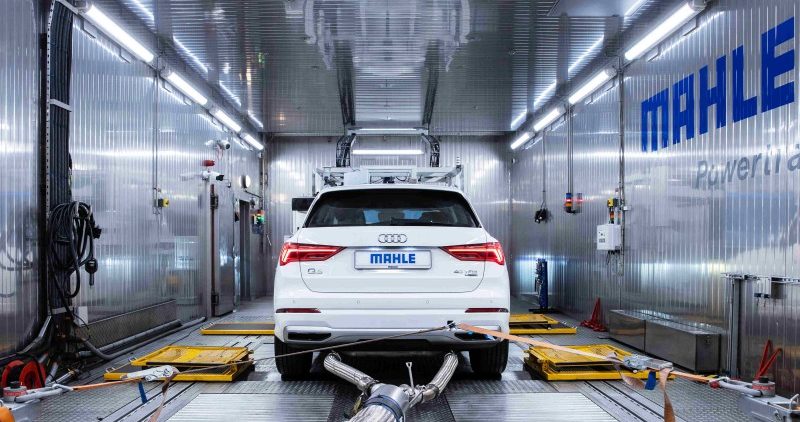
“Forward planning will be essential to managing what’s expected to be an extremely busy period for testing facilities across Europe,” warns Simon Williams, RDE Operations Leader, MAHLE Powertrain. “Manufacturers who start their Euro 7 type approvals early can avoid the natural peak in demand closer to the November 2026 deadline and ensure their vehicle launch schedules remain on track.”
From a public health perspective, reducing emissions across more types of pollutants will help improve urban air quality, potentially lowering rates of respiratory illnesses linked to fine particulate pollution. The holistic nature of Euro 7, addressing exhaust, brake, and tyre emissions, marks a milestone in the evolution of vehicle regulation, with implications extending from individual vehicle performance to broader ecological and societal outcomes.
As the automotive industry prepares for the November 2026 implementation, drivers and buyers should be aware that the Euro 7 standard will influence the design and performance of all new cars sold in the UK and EU. Whether choosing a traditional internal combustion engine model or a cutting‑edge electric vehicle, Euro 7 compliance will be central to future‑proof motoring in Europe’s greener, cleaner transport landscape.