
European truckmakers urge EU action over Chinese electric HGVs
European heavy goods vehicle manufacturers are urging Brussels to address the growing threat from Chinese electric trucks, but the industry is divided over whether import tariffs are the right response.
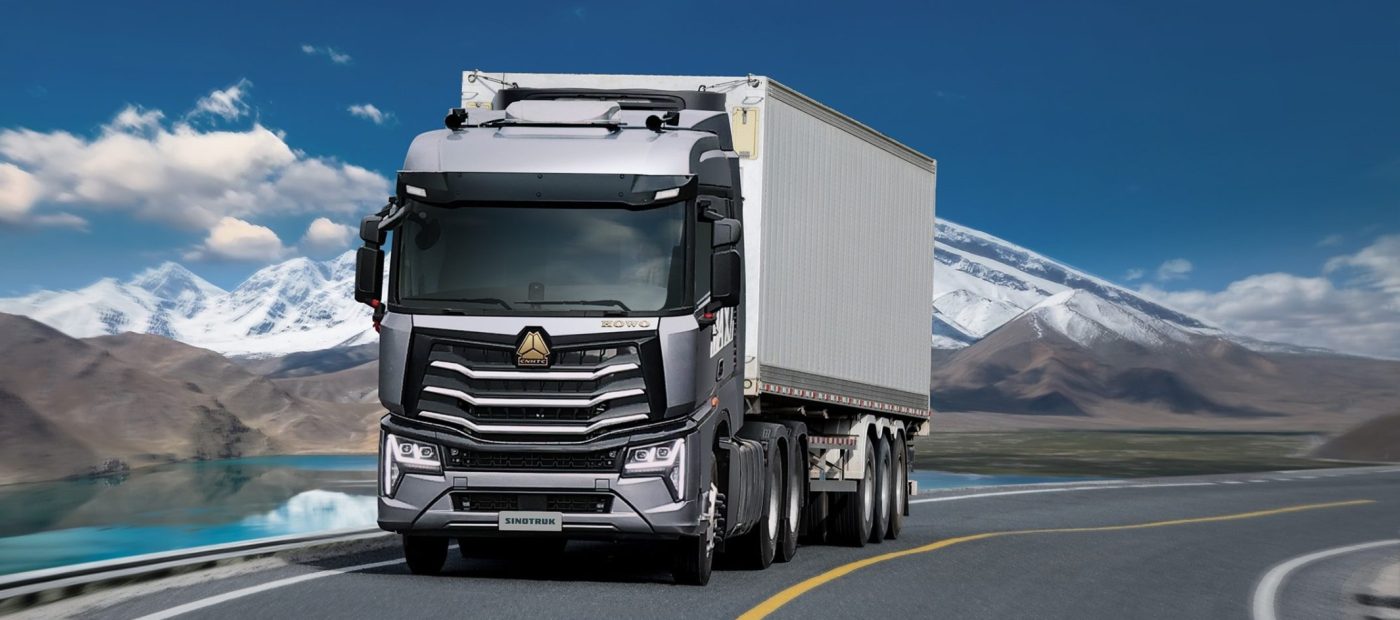
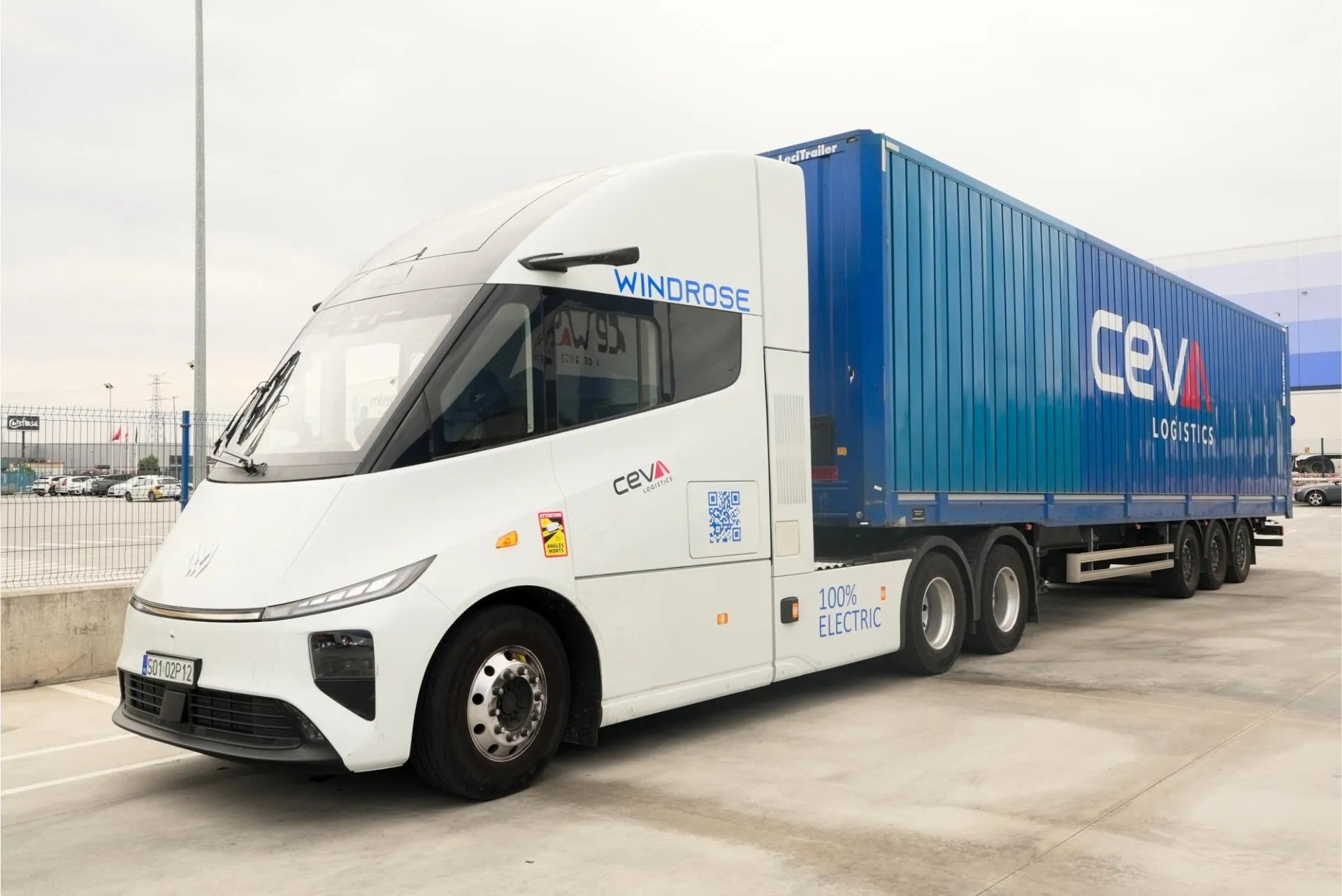
The arrival of Chinese manufacturers including BYD, Farizon, Sany, Sinotruk, Windrose and SuperPanther is accelerating competition in Europe’s emerging electric HGV market. Several of the new entrants are targeting the market with vehicles priced substantially below comparable European models, raising concerns among established manufacturers about the impact on investment, employment and the competitiveness of Europe’s truck industry.
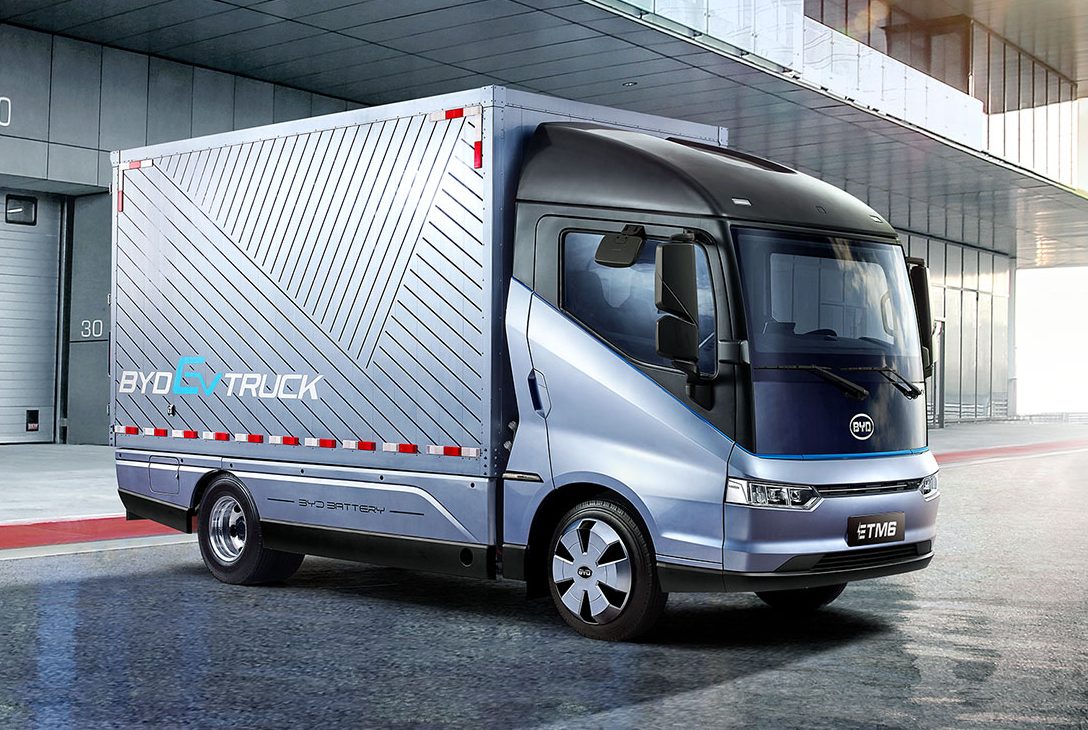
Reuters reported in March that Chinese manufacturers were targeting European prices up to 30% below the average price of European electric trucks, which was put at around €320,000. The cost advantage reflects China’s much larger electric truck market, extensive battery supply chain and manufacturing scale.
The competitive pressure is arriving at a critical point for European truckmakers. The EU is tightening heavy-duty vehicle CO2 standards while fleets are being encouraged to switch to zero-emission vehicles. At the same time, electric HGVs remain considerably more expensive than conventional diesel trucks, making purchase price a major consideration for operators.
Chinese electric truck challenge
China already has a substantial lead in electric truck deployment. The International Energy Agency estimates that more than 400,000 electric trucks were produced in China during 2025, compared with more than 13,000 in the EU. Chinese manufacturers therefore have access to a far larger domestic market in which to develop technology, scale production and reduce costs.
Electric trucks accounted for around 29% of truck sales in China in 2025, according to the IEA, compared with a much smaller share in Europe.
Transport & Environment has also examined the emerging competition. Its September 2026 analysis concluded that new entrants could potentially secure between 24% and 31% of Europe’s electric heavy truck market by 2030, based on manufacturers’ stated production and export ambitions. T&E calculated that buying an electric truck from a new entrant could currently reduce total cost of ownership by around 9% compared with an equivalent European model.
The analysis does not establish that the price difference is solely the result of state subsidies. Scale, battery costs, supply chains, manufacturing efficiency and product strategy all contribute to the competitive position of Chinese manufacturers. Nevertheless, European manufacturers are concerned about what they regard as an uneven competitive environment.
Calls for EU trade intervention
Traton’s MAN brand has been among the European manufacturers calling for Brussels to consider anti-subsidy measures against Chinese electric trucks, following the EU’s decision to impose countervailing duties on Chinese battery-electric passenger cars.
The EU currently applies definitive countervailing duties on Chinese battery-electric passenger cars, following an anti-subsidy investigation by the European Commission. The additional duties vary by manufacturer and sit alongside the normal import duty.
However, those measures do not currently cover electric HGVs. Applying similar measures to trucks would require the European Commission to establish that subsidised imports were causing injury to the EU industry under the relevant trade-defence rules.
That distinction is important because the debate is not simply about imposing an existing tariff on a different category of vehicle. A new investigation would be required before countervailing duties could be introduced.
For European truckmakers supporting intervention, the argument is that the transition to zero-emission transport should not result in European manufacturing losing market share because overseas competitors benefit from significantly lower production costs or government support.
Industry divided over tariffs
There is, however, no universal position among European truck manufacturers on the use of tariffs.
Some manufacturers see trade protection as a way of giving European industry greater room to invest in electrification and compete on more equal terms. Others are wary of provoking a wider trade dispute with China.
European truckmakers operate global manufacturing and supply chains and depend on international markets for both components and finished vehicles. Retaliatory measures could therefore have consequences beyond the electric truck market.
There is also a strategic question over whether tariffs would ultimately prevent Chinese manufacturers from competing in Europe. The experience of the passenger car market suggests that manufacturers can respond to trade barriers by moving production closer to customers.
Local production changes the equation
BYD has already signalled that it intends to pursue precisely such a strategy.
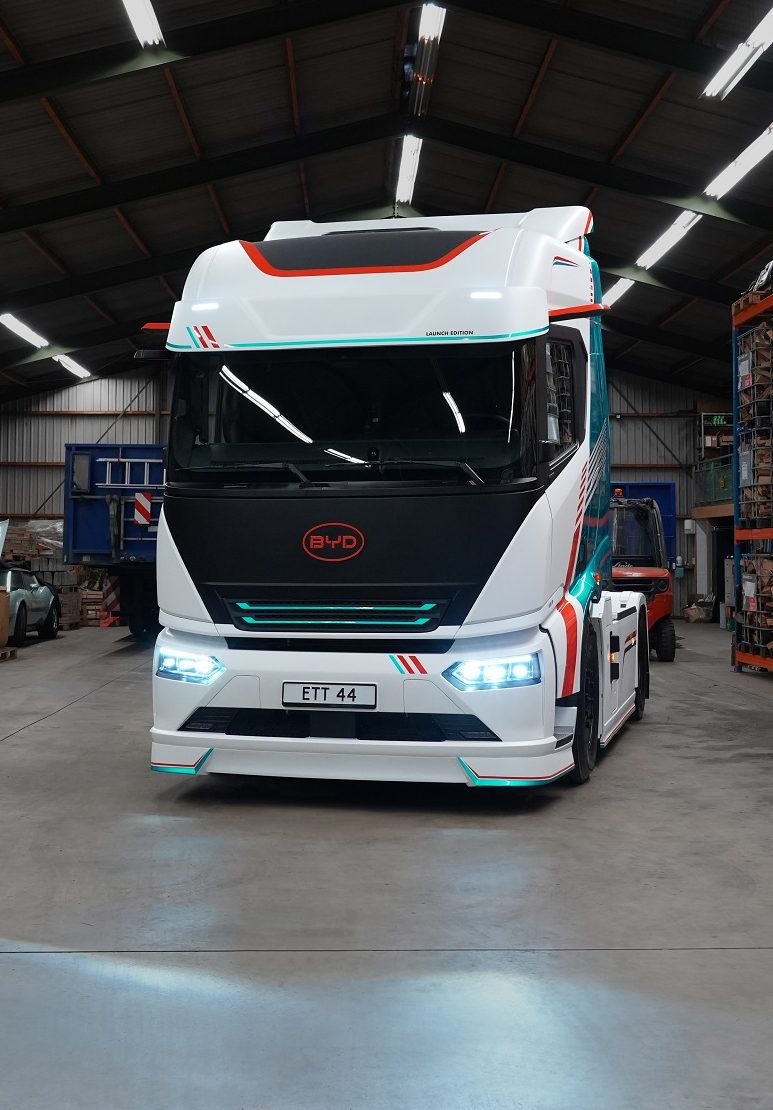
Speaking at IAA Transportation in Hanover, BYD executive vice-president Stella Li said the company planned to launch its first European heavy-duty truck in 2027 and ultimately manufacture everything it sells in Europe locally.
“For the long term, we will produce everything we sell in Europe here locally,” Li said.
She added: “Once you move everything produced locally, it’s okay. We become a European company.”
Local production would reduce BYD’s exposure to import tariffs while allowing it to build a European manufacturing and support operation around its electric truck business.
BYD is already expanding its European industrial footprint, including its passenger-car factory under construction in Szeged, Hungary. The company also has an established electric bus and commercial vehicle manufacturing presence in Hungary.
Other Chinese manufacturers are pursuing similar localisation strategies. The IEA says Sany is planning local production, while companies including SuperPanther and Windrose are exploring European assembly using imported components and modules.
This could make trade policy increasingly complicated. Tariffs on complete vehicles may provide limited protection if manufacturers subsequently establish European assembly or full-scale manufacturing operations.
Support beyond tariffs
European manufacturers are therefore also calling for measures that would improve the economics of zero-emission trucks regardless of where they are produced.
These include stronger charging infrastructure investment, faster grid connections, CO2-based road tolling and financial support for fleets switching to electric HGVs.
The European truck industry has separately called for a three-year delay to the EU’s 2030 heavy-duty CO2 targets, arguing that the cost of zero-emission vehicles, electricity prices and inadequate charging infrastructure are making the transition difficult.
There is an important distinction between protecting manufacturers and stimulating demand. Measures such as road-toll reductions, charging investment and fleet incentives can make electric trucks more commercially attractive without necessarily restricting competition between manufacturers.
For fleet operators, increased competition could also have implications for vehicle acquisition costs. Electric HGVs currently command a substantial price premium over diesel vehicles, so the arrival of lower-priced models could potentially improve the economics of fleet electrification.
The counterargument for established manufacturers is that short-term price competition must not undermine the investment required to develop Europe’s own zero-emission truck manufacturing capability.
A new phase of HGV competition
The European electric HGV market remains at an early stage, but the competitive landscape is changing rapidly.
The IEA says established European manufacturers – including Daimler Truck, Volvo Trucks, Iveco and Traton – still accounted for around two-thirds of electric truck sales in the EU in 2025. However, Chinese manufacturers are entering at a time when regulatory pressure is accelerating demand for zero-emission vehicles.
For European manufacturers, the challenge is therefore broader than the question of tariffs. They must compete on vehicle price, battery technology, charging capability, total cost of ownership, reliability, residual values and established service networks while meeting increasingly demanding emissions targets.
Chinese manufacturers, meanwhile, are moving from exporting vehicles towards establishing European production, service and financing ecosystems.
That could ultimately make the debate over tariffs only one part of a much larger transformation in Europe’s HGV market. The next few years are likely to determine whether Chinese manufacturers remain mainly import competitors or become established European truck producers in their own right.