
Diesel price surge strengthens case for electric HGVs
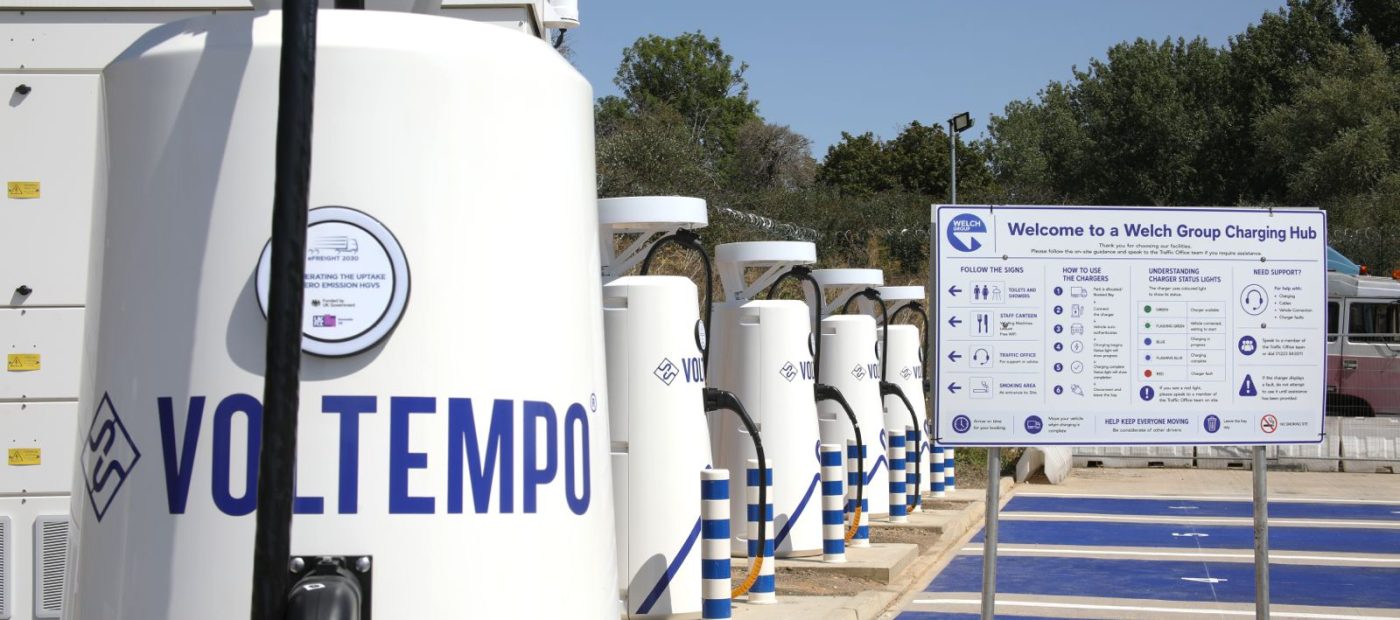
Rising diesel prices are strengthening the case for electric heavy goods vehicles (HGVs), with UK haulier Welch Group forecasting significant long-term savings from electrifying its fleet and opening its charging infrastructure to other operators.
New analysis from New AutoMotive estimates that rising diesel prices since July are adding around £35 million a week to UK hauliers’ fuel bills. The average forecourt price reached 199.9p per litre on 30 September, an increase of 35p since 8 July.
For operators considering electric trucks, the latest increases highlight the importance of diversifying energy sources and reducing exposure to volatile fuel prices.
Welch Group projects £792,000 in annual savings
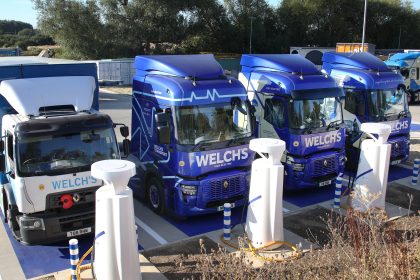
Welch Group operates both diesel and electric HGVs. The company has developed its own financial model to assess fleet electrification and the benefits of sharing depot charging facilities.
Its projections suggest annual savings could reach approximately £792,000 by 2035 compared with operating a diesel fleet. This scenario assumes the company expands its electric fleet and allows other operators to use its charging network.
The figure represents a projected operating-cost comparison, not an achieved saving or a comprehensive assessment of vehicle lifetime costs. Actual results will depend on fleet growth, energy prices, charging demand and infrastructure utilisation.
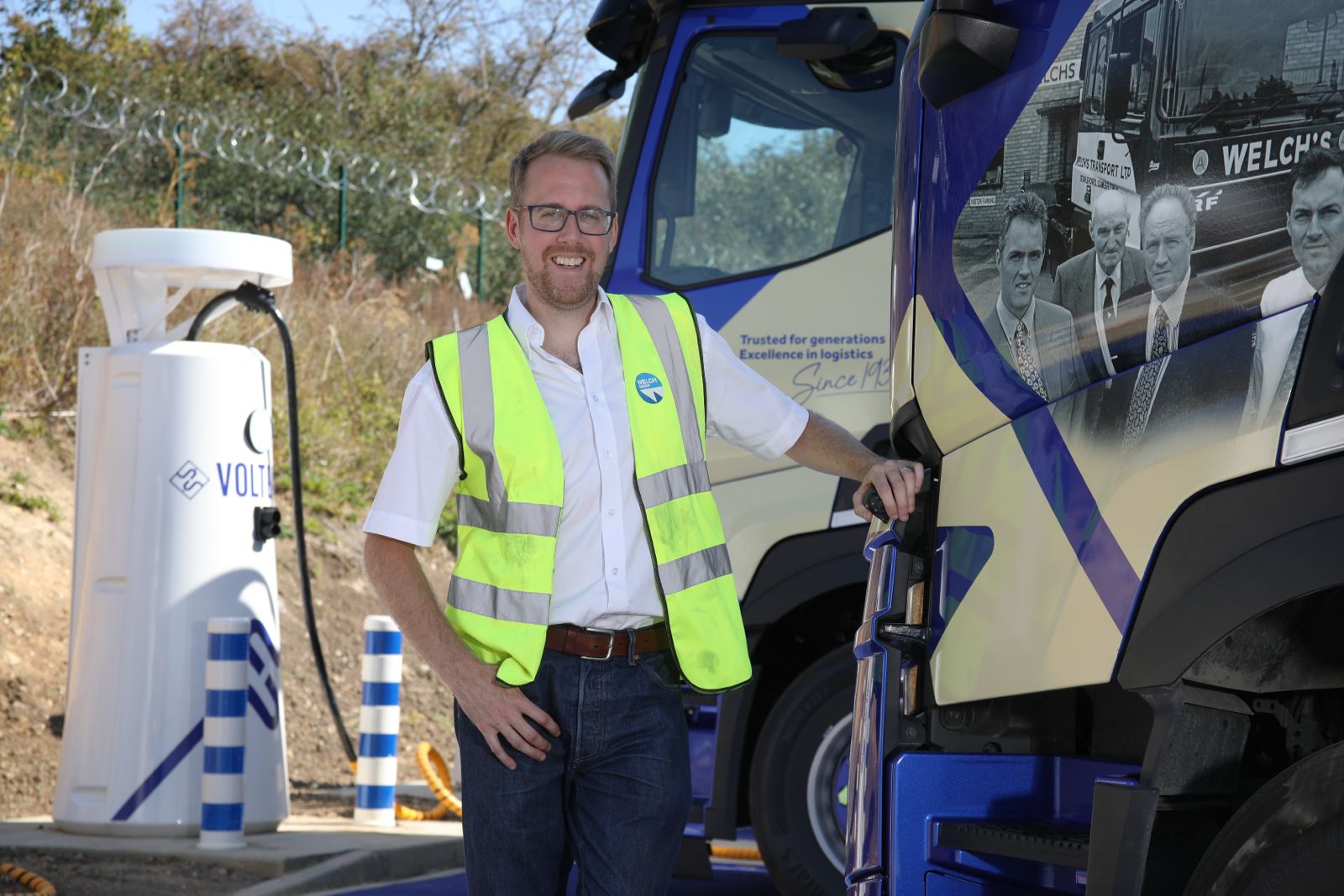
Chris Welch, CEO of Welch Group, said: “Diesel prices are proving that our decision to go electric was the right one. We’re already seeing substantial savings on energy costs compared with diesel, and every increase at the pump makes the economics of electrification more compelling.
“But the opportunity goes much further. By opening our charging hubs to other operators, we can spread the cost of infrastructure and make our own electric trucks progressively cheaper to run. Our internal modelling suggests the savings could become increasingly significant as our fleet and charging network grow.
“This is about running a more efficient and competitive haulage business. Cutting emissions matters, but so does protecting our margins. The more electric trucks we put on the road, the greater the opportunity to do both.”
Shared charging could improve fleet economics
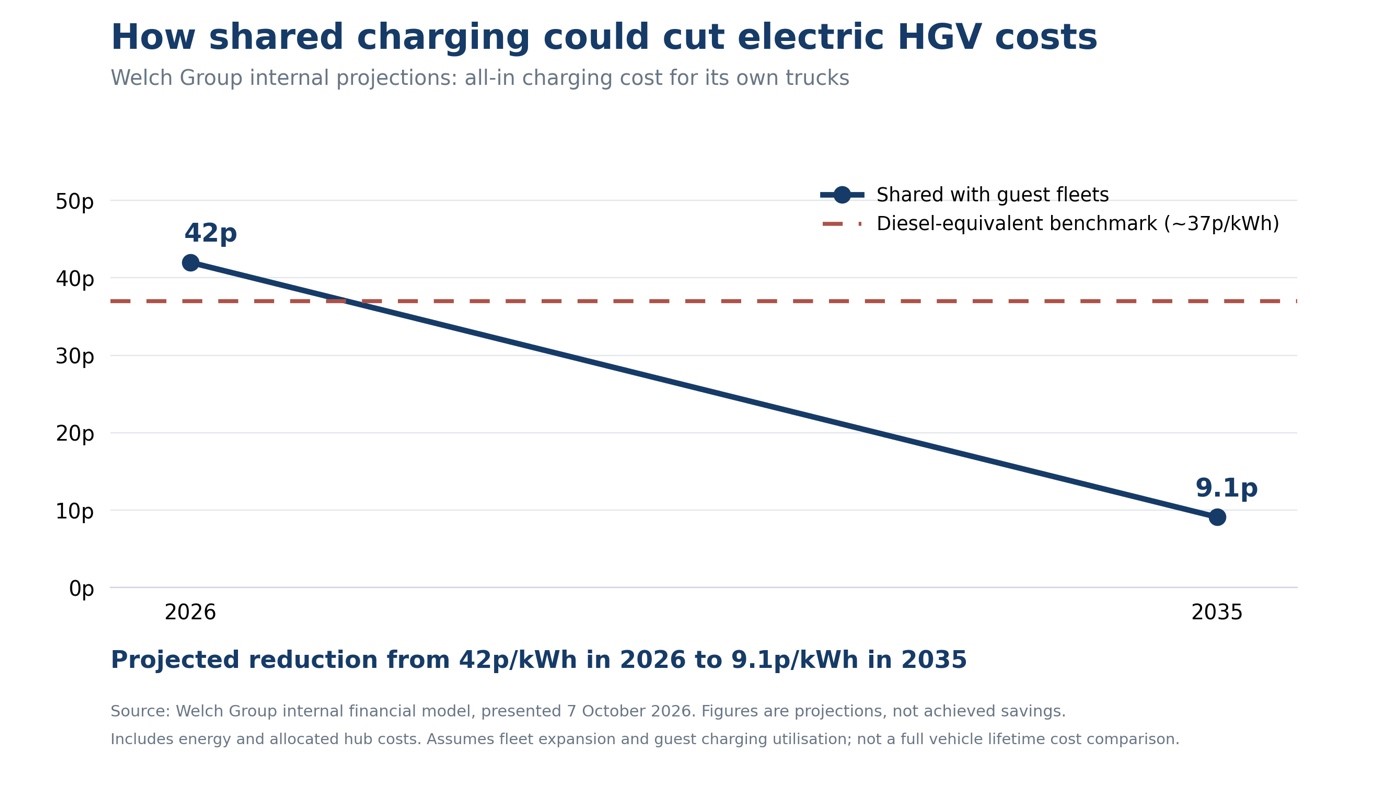
Welch Group’s model projects that the all-in cost of charging its electric trucks could fall from around 42p per kWh in 2026 to 9.1p per kWh by 2035.
These estimates assume planned fleet expansion and greater use of its charging infrastructure by other operators. They include electricity and allocated infrastructure costs, but remain sensitive to future energy prices and charging demand.
The figures are Welch Group’s own forward-looking estimates. They are not independently verified savings or forecasts for the wider haulage industry.
The model illustrates how depot charging could become a commercial asset rather than simply an operating expense. Opening facilities to other fleets could generate additional revenue and improve utilisation, helping operators make better use of their infrastructure investments.
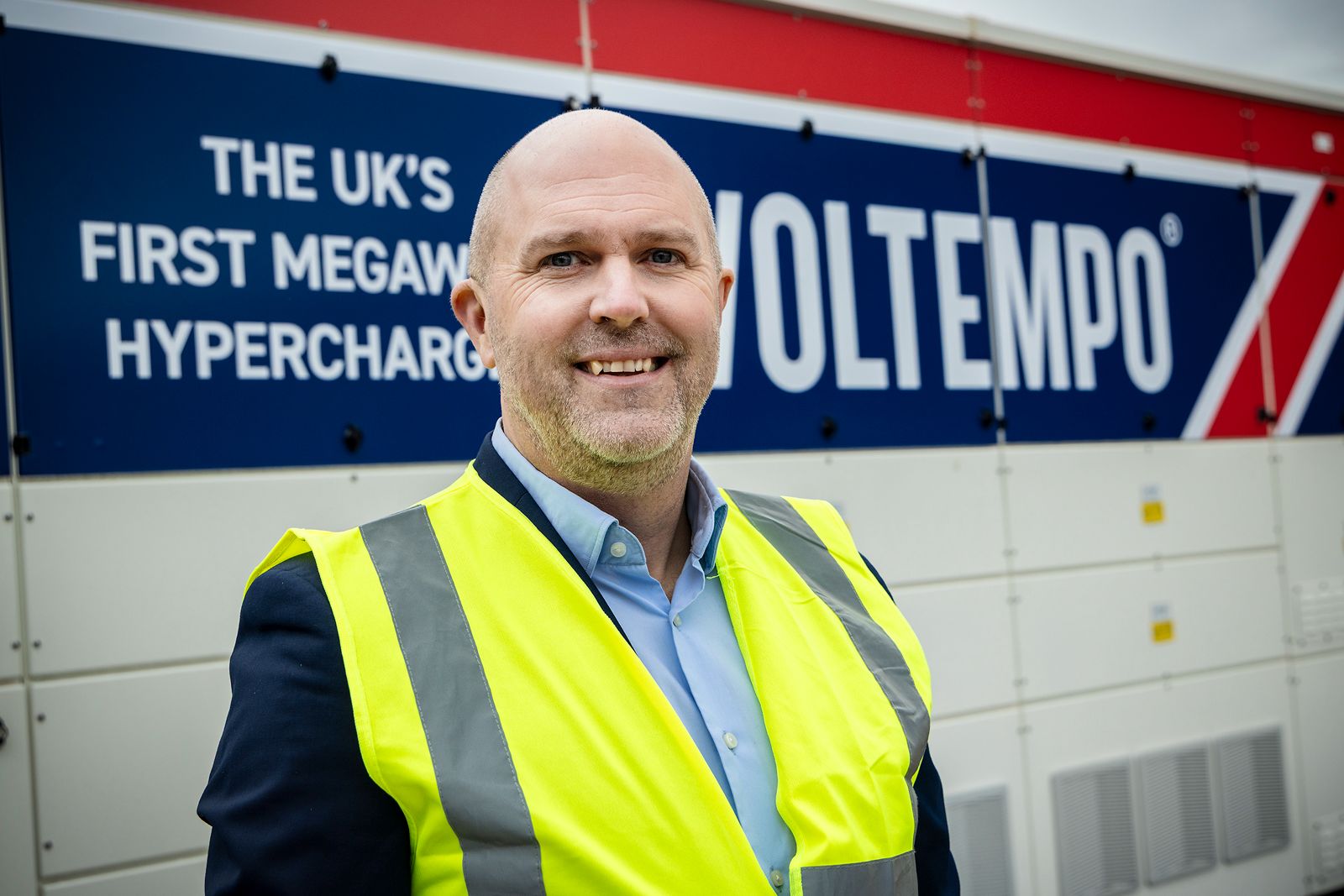
Simon Smith, CEO of electric HGV charging specialist Voltempo, said: “Diesel at these prices changes the commercial conversation around electric trucks. For years, operators have been told that electrification means choosing between doing the right thing and making money. That choice is disappearing for a growing number of operations.
“Electric trucks, intelligent depot charging and competitively priced energy can give hauliers greater control over one of their biggest operating costs. Shared charging offers another opportunity to strengthen the economics by making better use of infrastructure.
“The opportunity isn’t simply to replace diesel trucks with electric ones. It’s to build a more efficient, resilient and potentially more profitable haulage business.”
Diesel continues to dominate new truck sales
Despite growing interest in electrification, diesel remains dominant in the UK HGV market.
According to New AutoMotive’s analysis, diesel accounted for 97% of new truck registrations in 2025. Electric trucks represented just over 1% of registrations during the first eight months of 2026.
The latest fuel price increases have renewed interest in electric HGVs, particularly among operators with predictable routes, access to depot charging and opportunities to secure competitively priced electricity.
For these fleets, the decision involves more than the initial purchase price. Operators must also consider charging infrastructure, vehicle utilisation, route requirements and the practicalities of integrating electric trucks into daily operations.
Ben Nelmes, CEO of New AutoMotive, said: “Hauliers are paying tens of millions of pounds more every week for diesel, and almost every new truck sold in Britain still depends on it. Electric trucks offer a way out of that exposure, but operators and manufacturers cannot plan around a policy that does not yet exist. The government asked the industry for its views at the start of the year. It now needs to get on and decide, so that fleets can invest with confidence.”
Windrose reports growing electric truck demand
Wen Han, founder and CEO of electric HGV manufacturer Windrose, also highlighted changing customer behaviour as diesel prices rise.
“The structural economics of electricity versus diesel are increasingly making electric trucks the clear choice for operators. We have seen a huge increase in orders as diesel prices have risen, and the change in customer behaviour is striking. Operators are not only ordering more trucks, they are increasingly prepared to pay for them before they even arrive on site.
“This is no longer simply about fleets wanting to decarbonise. It is about economics, energy security and protecting operators from volatile diesel costs.
“We see the UK as an important market for that transition. Windrose is actively looking for a suitable site.”
For UK hauliers, rising diesel prices are adding urgency to fleet investment decisions. Electric HGVs still require careful planning around vehicle suitability, charging access and operational demands. However, shared charging offers an additional opportunity for operators to improve infrastructure utilisation while supporting the transition to zero-emission transport.