
ECG helps over 140,000 drivers switch to EVs
More than 140,000 UK drivers have switched to electric vehicles during the first year of the Government’s Electric Car Grant (ECG), with the £2 billion scheme continuing to drive record EV sales and make electric motoring more affordable.
Launched a year ago, the Electric Car Grant offers discounts of up to £3,750 on eligible new electric vehicles, helping reduce one of the biggest barriers to EV ownership – the upfront purchase price.
The Government says demand for electric cars continues to grow, with March 2025 recording the highest monthly EV sales on record. Sales are also up 35 per cent compared with June last year, while recent figures from Autotrader indicate that electric cars are now, on average, cheaper to buy than equivalent petrol models for the first time.
Running costs also remain a major incentive. Drivers who are able to charge at home can save up to £1,400 compared with using petrol or diesel, offering greater protection against fluctuating fuel prices.
The number of vehicles eligible for the ECG has continued to increase, with 58 models now qualifying for support. These include popular models such as the Nissan Leaf, Ford Puma Gen-E and Škoda Elroq, giving motorists more choice across a range of price points.
The scheme is also supporting UK vehicle manufacturing. Nissan’s latest Leaf, which qualifies for the grant, is built at the company’s Sunderland plant, where around 6,000 people are employed. The Government believes the grant will help stimulate demand for British-built electric vehicles while supporting jobs and strengthening the North East’s position as a major manufacturing hub.
Alongside the grant, the Government has committed £7.5 billion to accelerate the UK’s transition to zero-emission transport. The investment supports electric vehicle manufacturing, consumer incentives and the continued expansion of the country’s charging infrastructure.
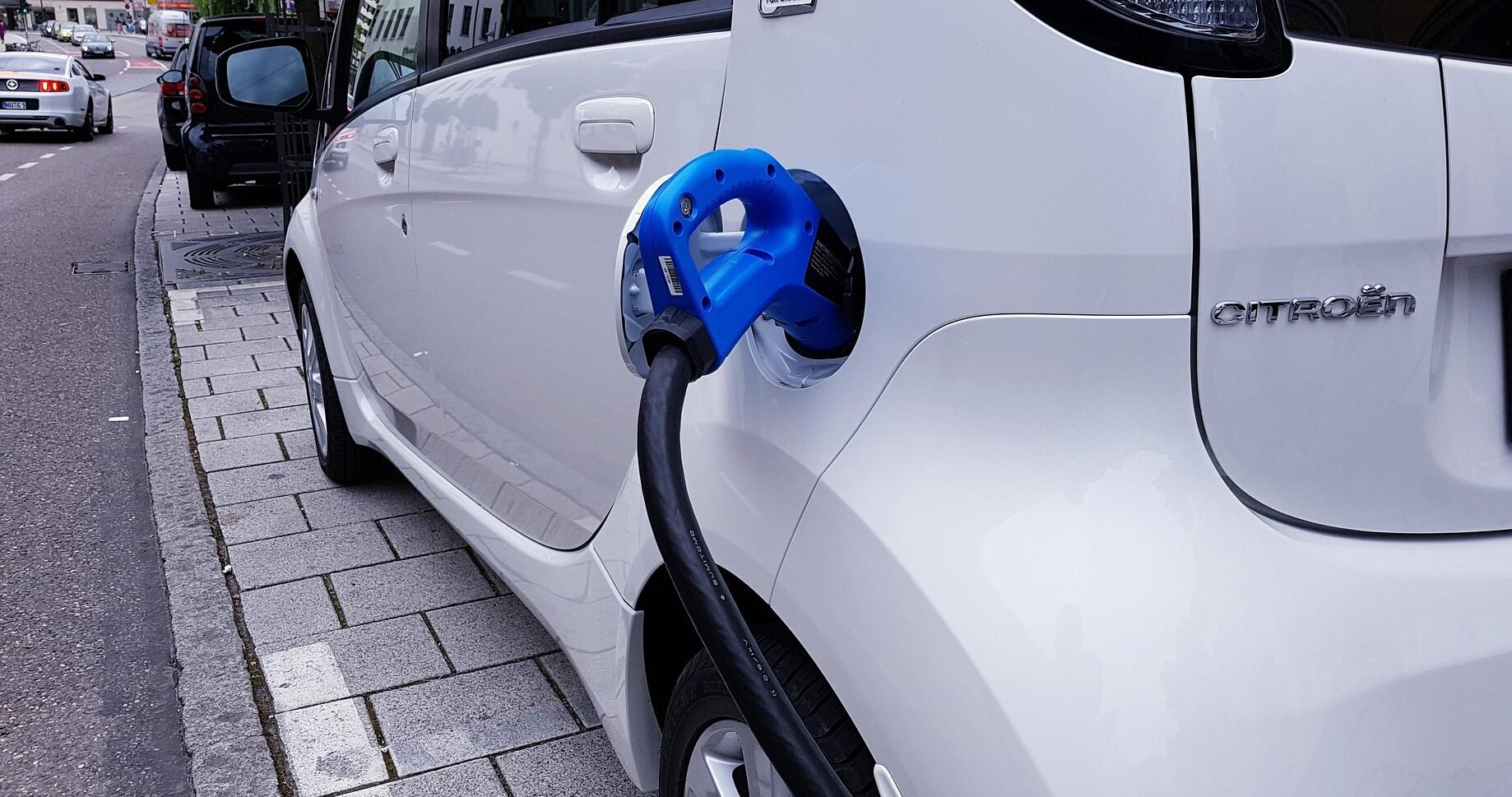
The UK’s public charging network is also continuing to grow rapidly. More than 120,000 public chargepoints are now available nationwide, with a further £600 million announced last year to fund additional installations. According to the Government, there are now nearly twice as many public EV chargepoints as fuel pumps across the UK.
Aviation, Maritime and Decarbonisation Minister Keir Mather said: “In just one year, our ECG has helped over 140,000 drivers save up to £3,750 on a new EV, and with nearly one in three cars sold now electric and sales up 35%, demand is stronger than ever and only going in one direction.
“We’ve made it easier and cheaper than ever before to go electric, and with savings of up to £1,400 on running costs there’s never been a better time to make the switch, especially against the backdrop of global fuel price fluctuations.”
RAC Head of Policy Simon Williams said: “The reintroduction of the Electric Car Grant is something we’d been calling for, so it’s great to see it making such a positive difference to EV sales in its first year. The high upfront cost of a new EV has long been the biggest obstacle in the way of wider adoption. With 58 models now qualifying for the discount drivers have more choice than ever at varying price points.
“And, of course, every new vehicle that comes on to the road will at some point feed through to the second-hand market enabling those drivers who don’t buy new to go electric too.”
John Veichmanis, CEO of Carwow Group, said: “A year on, the direction of travel is clearly positive – our data shows EVs now account for 34% of car-buying enquiries on Carwow, up from 24% before the grant landed. Add in fuel prices that remain volatile and the growing cost advantage of charging at home, and it’s easy to see why more drivers are making the switch.”