

LCV market grows for second month
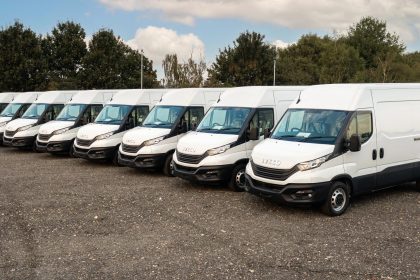
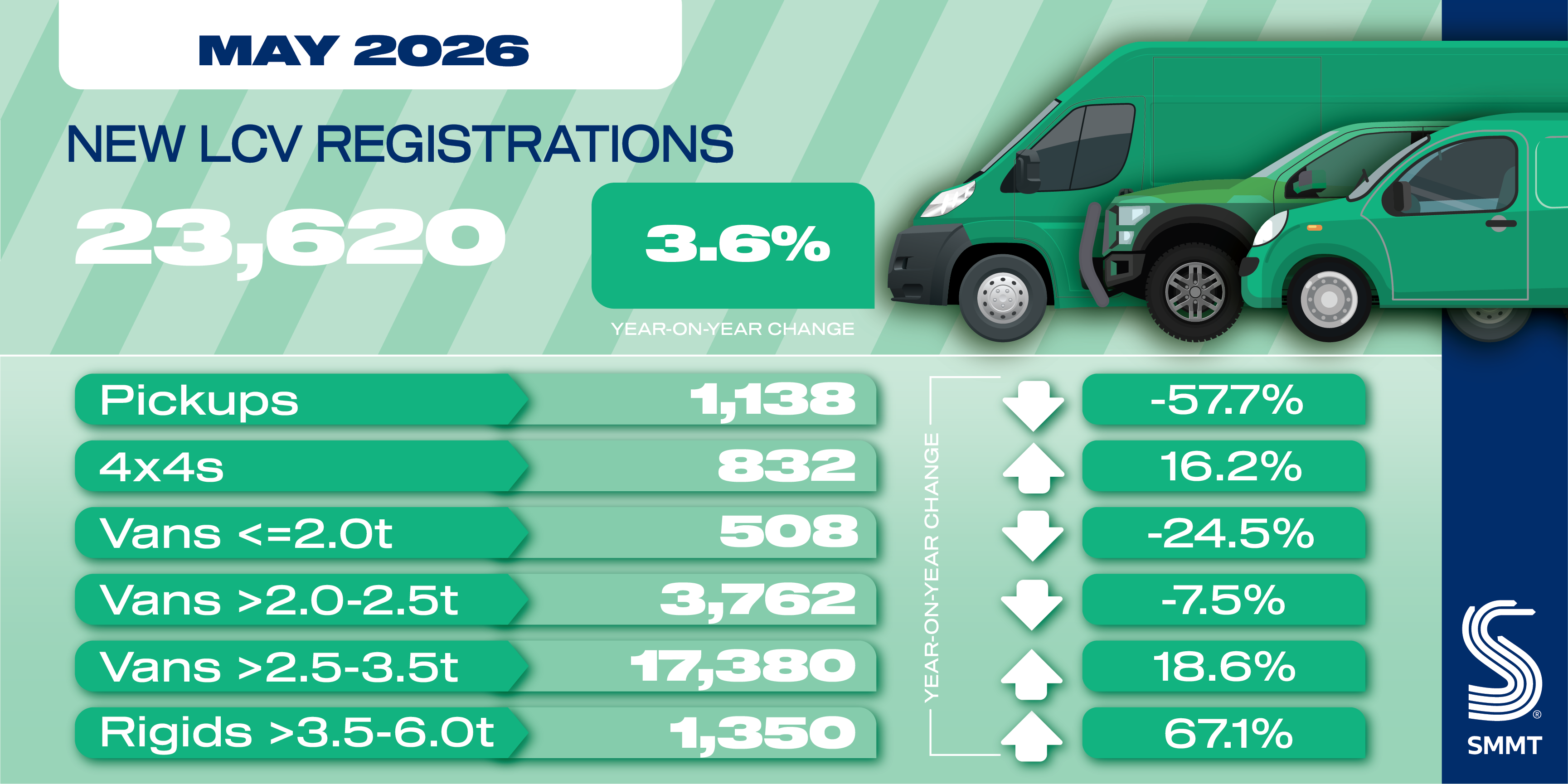
The UK light commercial vehicle (LCV) market recorded its second consecutive month of growth in May, with registrations rising 3.6% to 23,620 units, according to the latest figures from the Society of Motor Manufacturers and Traders (SMMT).
The increase marks the first time since 2024 that the market has achieved back-to-back monthly growth, providing a positive signal for the commercial vehicle sector despite ongoing economic and regulatory challenges.
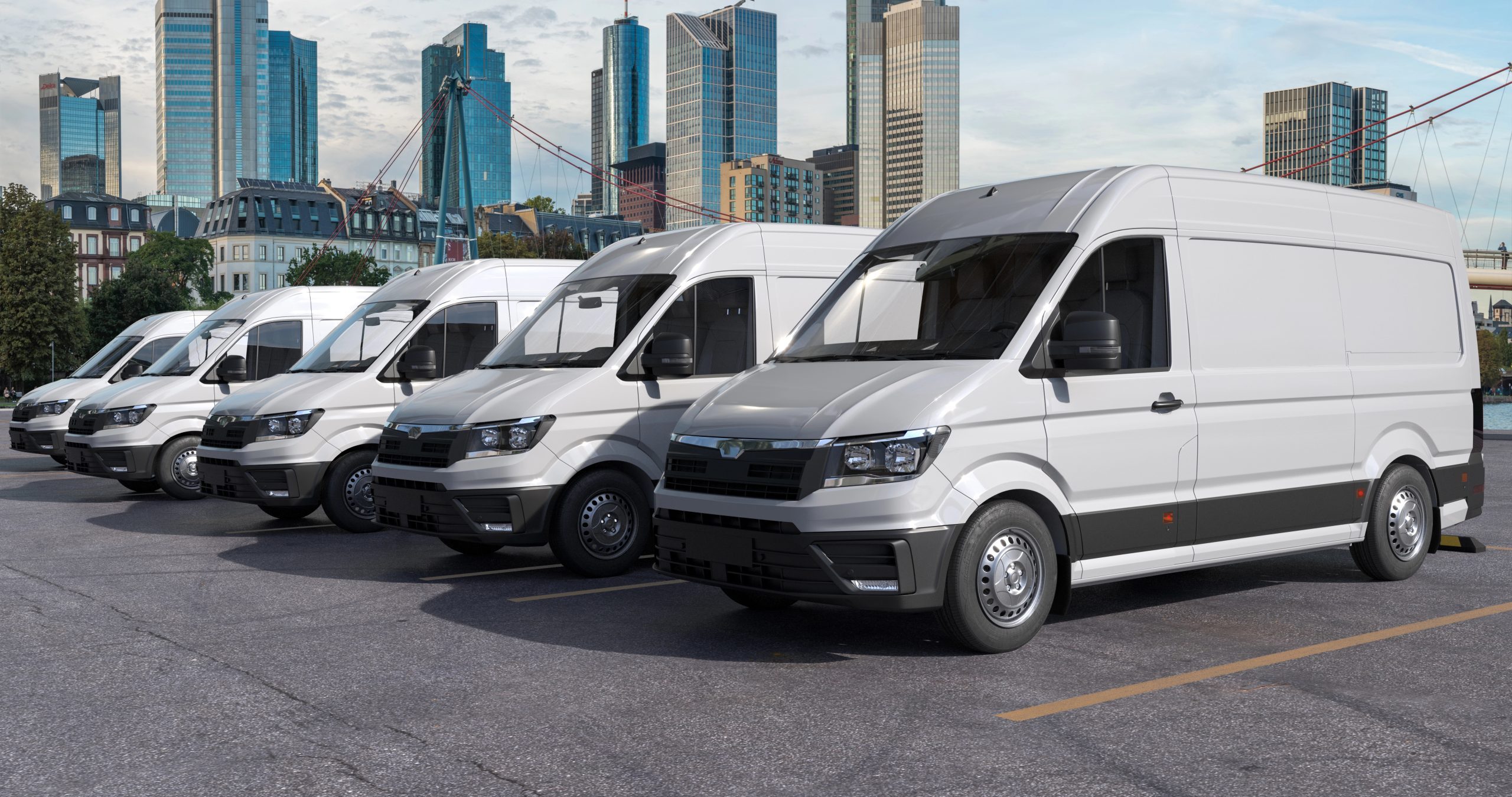
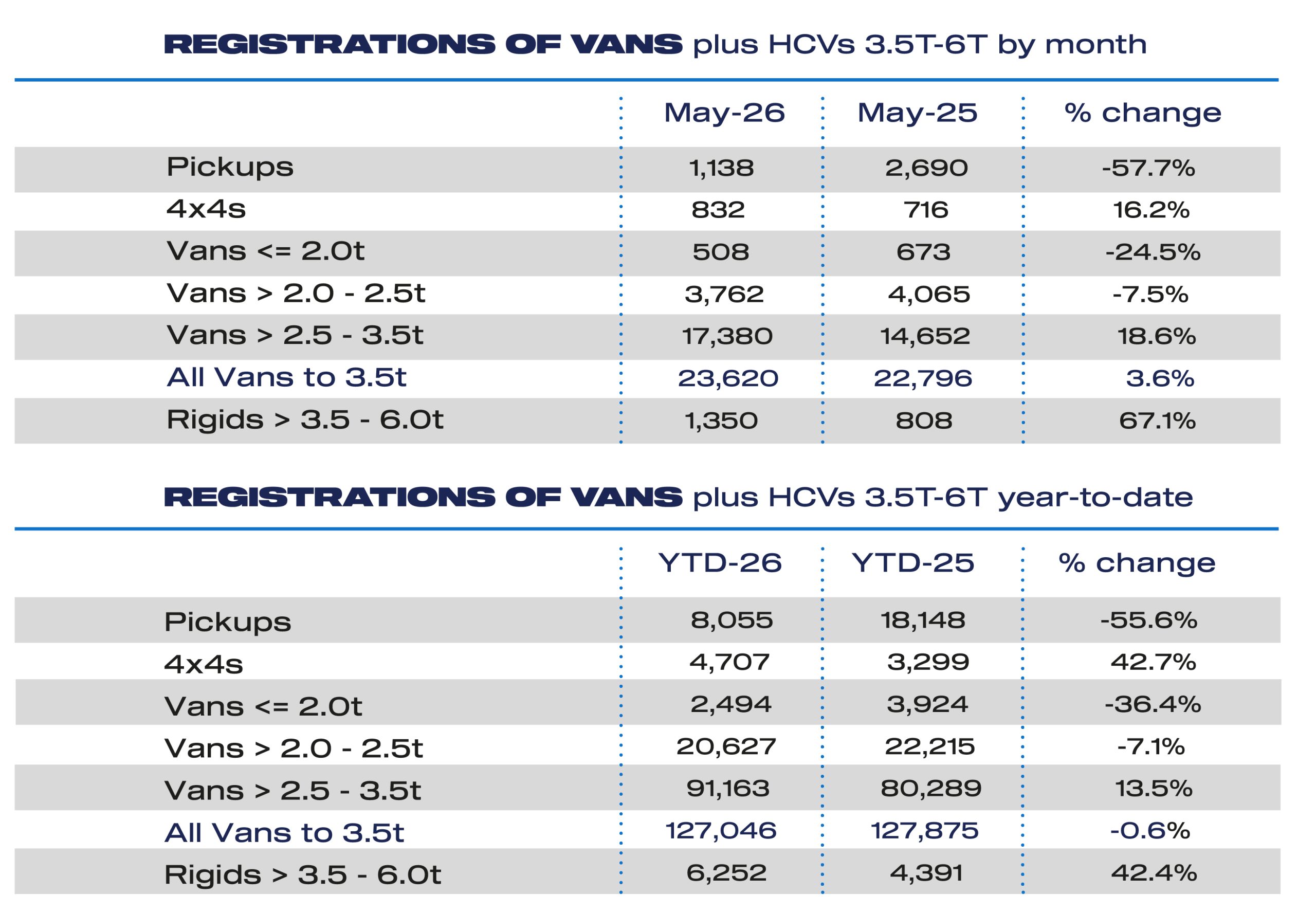
Growth was driven primarily by strong demand for large vans, with registrations rising 18.6% to 17,380 units. Large vans accounted for 73.6% of all new LCV registrations during the month, compared with a market share of 64.3% in May last year.
In contrast, registrations of medium-sized vans fell by 7.5% to 3,762 units, while small van volumes declined by 24.5% to just 508 registrations. Demand for 4×4 commercial vehicles increased by 16.2%, reaching 832 units.
Pickup Market Continues Sharp Decline
The pickup sector remained under significant pressure, recording its eighth consecutive month of decline.
Registrations fell by 57.7% to 1,138 units, reducing the segment’s share of the overall LCV market to 4.8%, down from 11.8% a year earlier.
The downturn continues to reflect the impact of tax changes introduced in April 2025, which reclassified double-cab pickups as cars for Benefit in Kind (BiK) taxation purposes. The changes have increased costs for businesses operating pickups, particularly in sectors such as agriculture, construction and infrastructure.
Industry leaders continue to urge the Government to reconsider the policy, arguing that it risks discouraging investment in newer, lower-emission and zero-emission pickup models while limiting fleet renewal across key sectors of the economy.
Electric Van Registrations Continue to Rise
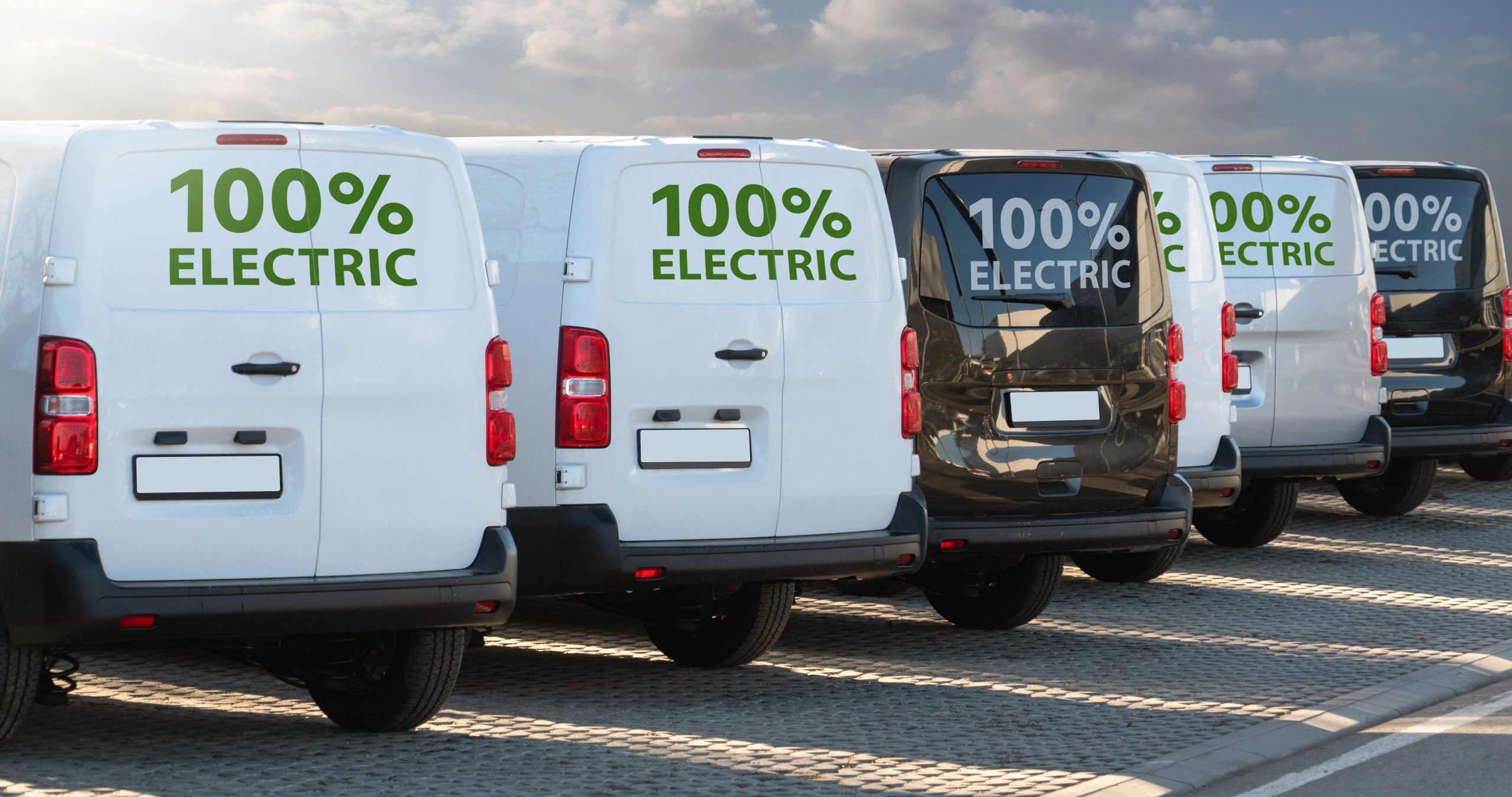
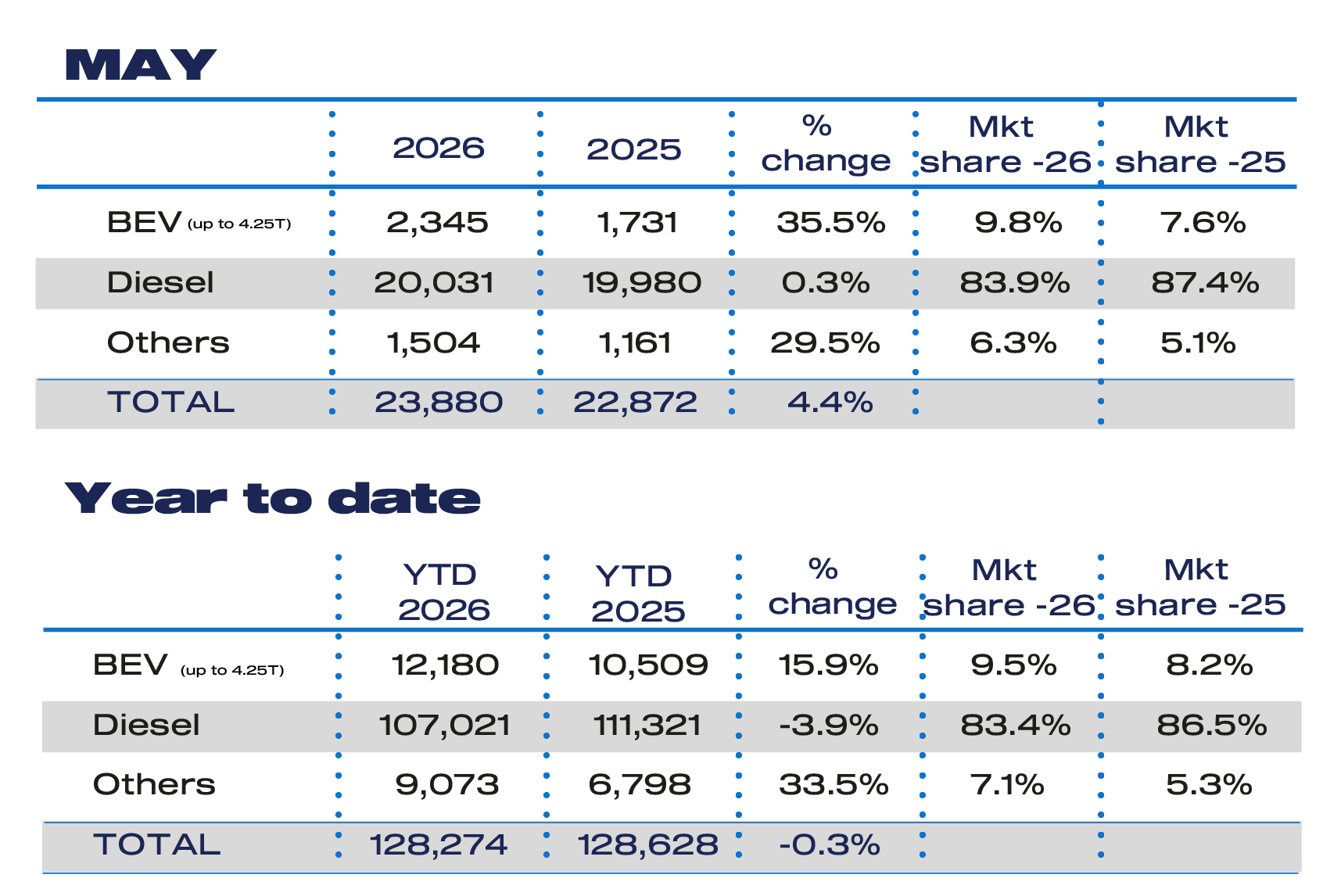
Battery electric van (BEV) registrations delivered another strong performance in May, increasing by 35.5% to 2,345 units.
As a result, electric vans captured a 9.8% market share, up from 7.6% in the same month last year. However, the figure remains below April’s 11.1% share and significantly short of the UK’s 2026 Zero Emission Vehicle (ZEV) mandate target, which requires 24% of new van sales to be zero-emission.
Year-to-date figures show electric vans account for 9.5% of all new LCV registrations, still below the 10% target set for 2024.
The LCV market’s slower-than-expected transition comes despite growing model availability. More than half of all models now offered in the UK are available with an electric powertrain, supported by manufacturer incentives and the Government’s Plug-in Van Grant.
However, fleet operators continue to face several barriers to adoption, including higher upfront vehicle costs, rising electricity prices and ongoing concerns over charging infrastructure availability.
Industry Calls for Policy Alignment
While recent growth in electric van demand is encouraging, the SMMT warns that greater support will be required if the industry is to meet ambitious decarbonisation targets.
Mike Hawes, Chief Executive of the SMMT, said: “Two months of LCV market growth is good news, but the overall outlook remains challenging. Battery electric van uptake is rising, but not fast enough to match regulatory ambition, while the collapse in pickup demand shows how quickly tax policy can hit key sectors.
“If the transition is to succeed, regulation, infrastructure and incentives must be aligned with the realities of the market.”
The latest figures highlight both the opportunities and challenges facing the UK’s commercial vehicle sector. While demand for large vans and electric models continues to strengthen, policymakers and industry stakeholders face growing pressure to ensure taxation, infrastructure investment and market incentives support a practical and sustainable transition to zero-emission transport.