

Neue Klasse puts pressure on BMW’s model line-up
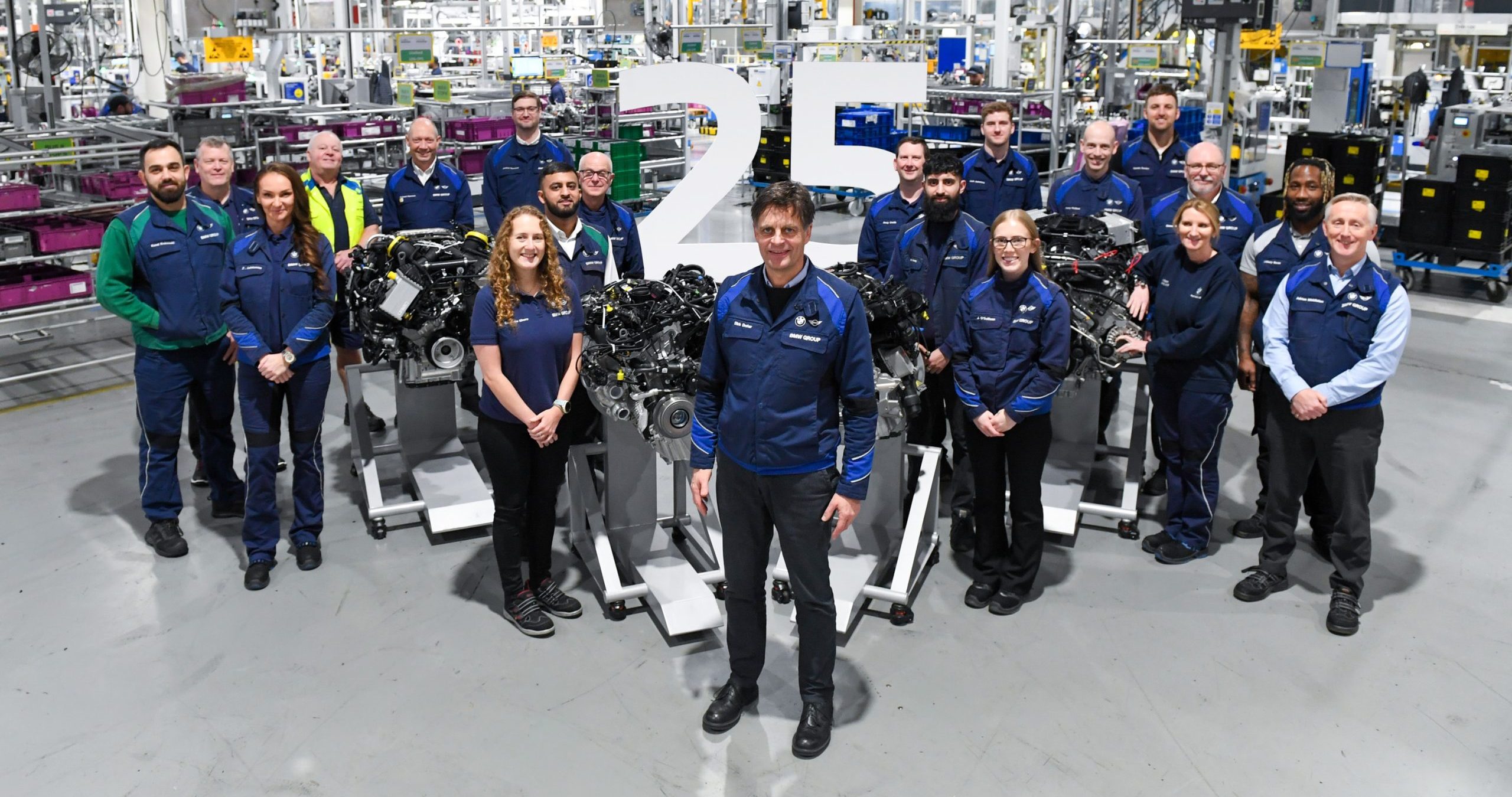
BMW is reviewing its model line-up as chief executive Milan Nedeljković looks to reduce complexity, improve profitability and ensure the company’s future products are aligned with the Neue Klasse architecture.
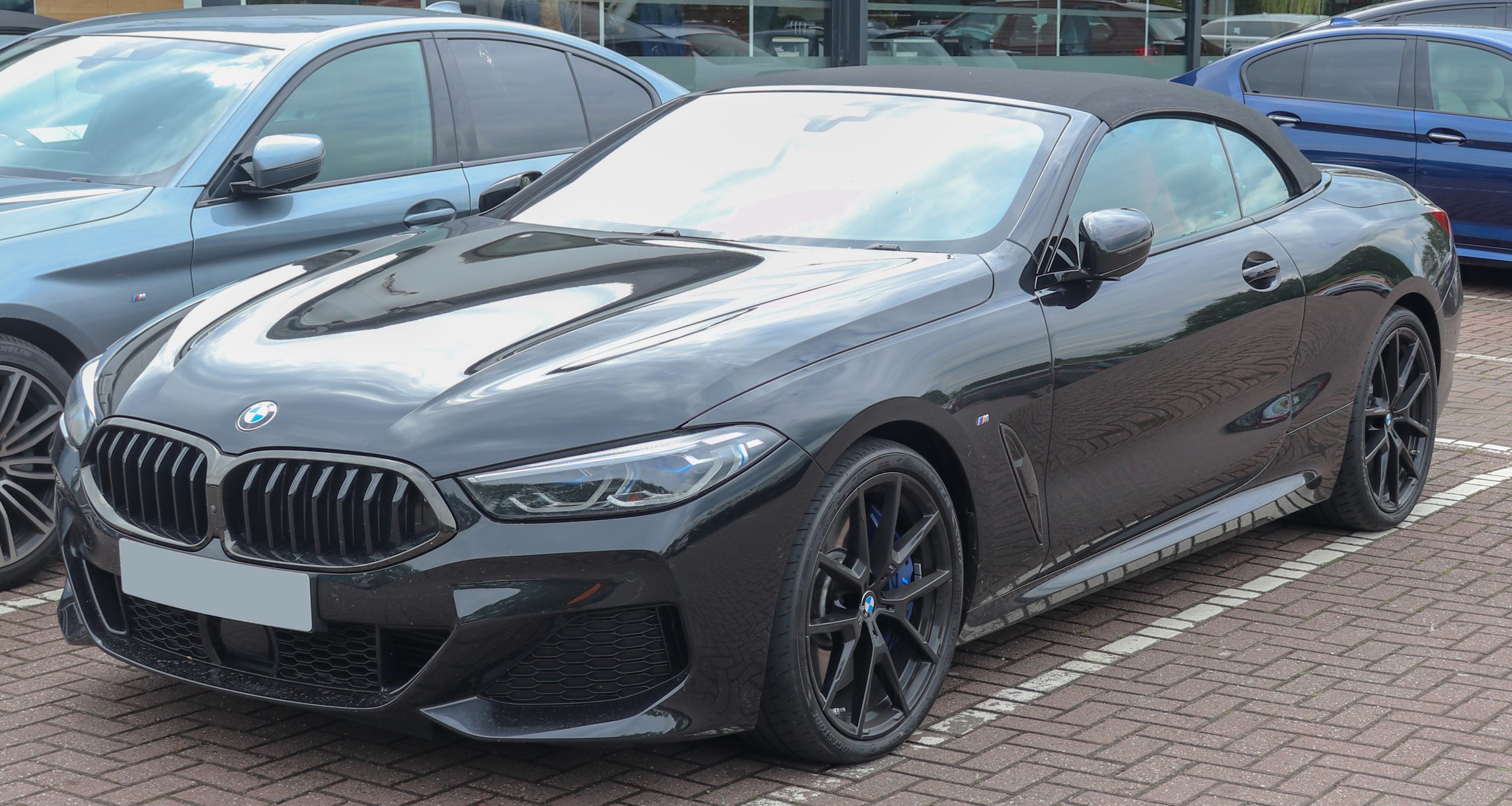
The move puts some of BMW’s more niche and low-volume models under the spotlight, including the BMW XM, 8 Series and potentially body styles such as the 2 Series Gran Coupé. However, it is important to stress that BMW has not announced the cancellation of these models. Nedeljković has instead confirmed that the profitability of individual derivatives and drivetrain combinations is being reassessed.
Speaking after BMW reported its second-quarter results, Nedeljković said: “We are reevaluating which technologies, model variants and drivetrains we will need in the future.”
He added that BMW was “further tailoring our approach to individual markets and their specific product and drivetrain requirements” and was also evaluating potential partnerships where they made economic and technological sense.
More significantly, when asked directly about competitors reducing their model portfolios and individualisation options, Nedeljković said BMW was not currently planning to reduce its portfolio or cut individual offers.
“Nevertheless, it’s about profitability of the derivatives on a global level. That is what we also focus on. We also look at the drivetrain variants and the product models in individual markets. All this will be reanalysed,” he said.
That distinction is important. The immediate strategy is not a wholesale cull of BMW models, but a much harder commercial assessment of whether every derivative, body style, powertrain and market combination justifies the investment required to develop and manufacture it.
BMW follows a wider industry trend
The development is strikingly similar to the direction being taken by Volkswagen, where Audi chief executive Gernot Döllner has also been restructuring the company’s product strategy around fewer, more clearly differentiated vehicles and greater efficiency.
Audi’s first-half 2026 results underline why premium manufacturers are under pressure. Revenue fell 10.4% to €29.2bn, while the operating margin was only 3.8%. Audi CFO Jürgen Rittersberger said: “Global challenges are increasing the pressure to act. With greater efficiency and clear priorities, we are making Audi more competitive.”
Audi has also argued that the traditional global model is becoming less effective. Döllner added: “In a world where our customers’ expectations are increasingly diverse from region to region, it is clear the ‘world car’ business model is becoming less and less viable.”
BMW is approaching the same problem from a slightly different direction. Rather than simply reducing its range, it is attempting to standardise the underlying technology and components while retaining the flexibility to offer different products in different markets.
Neue Klasse changes the economics
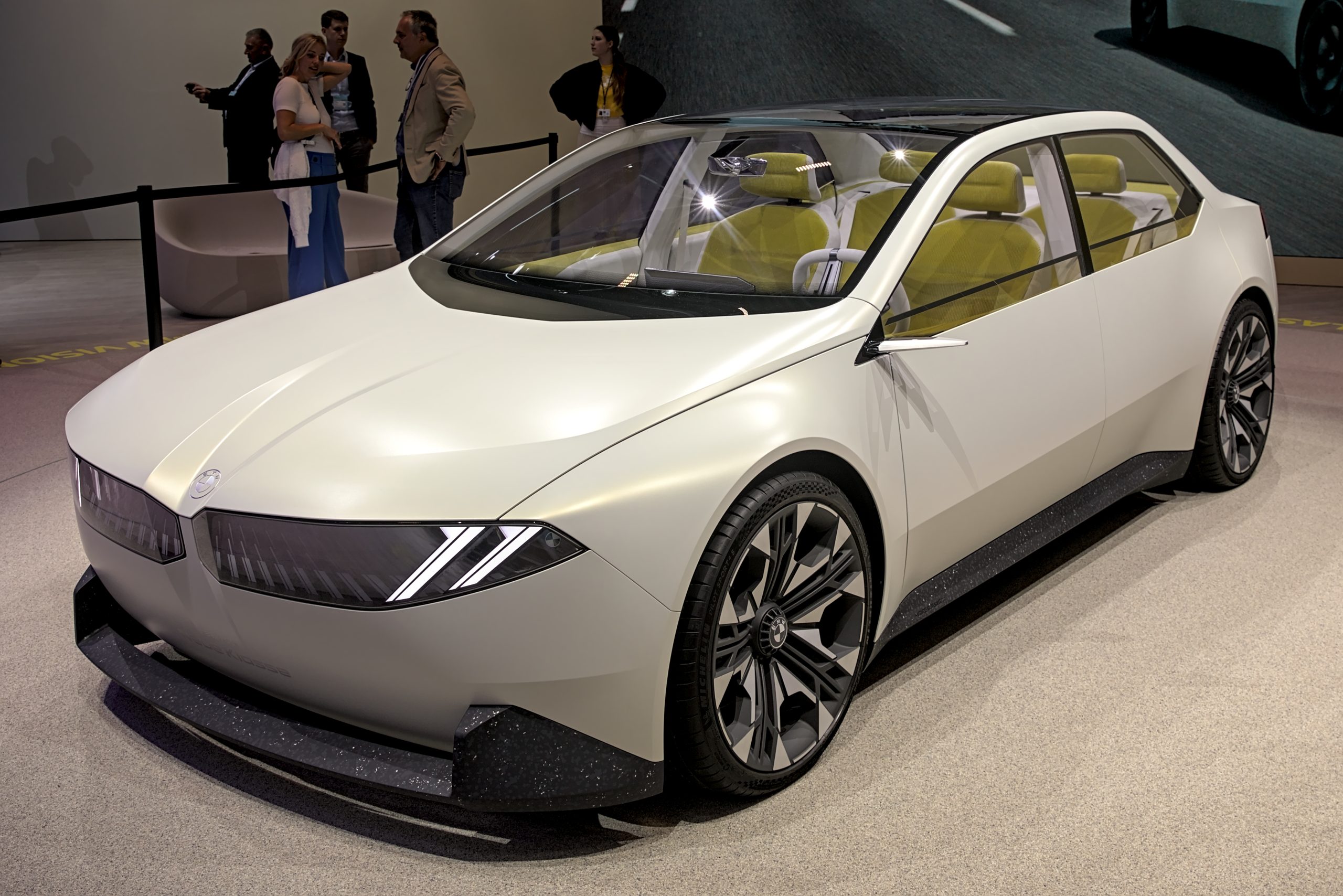
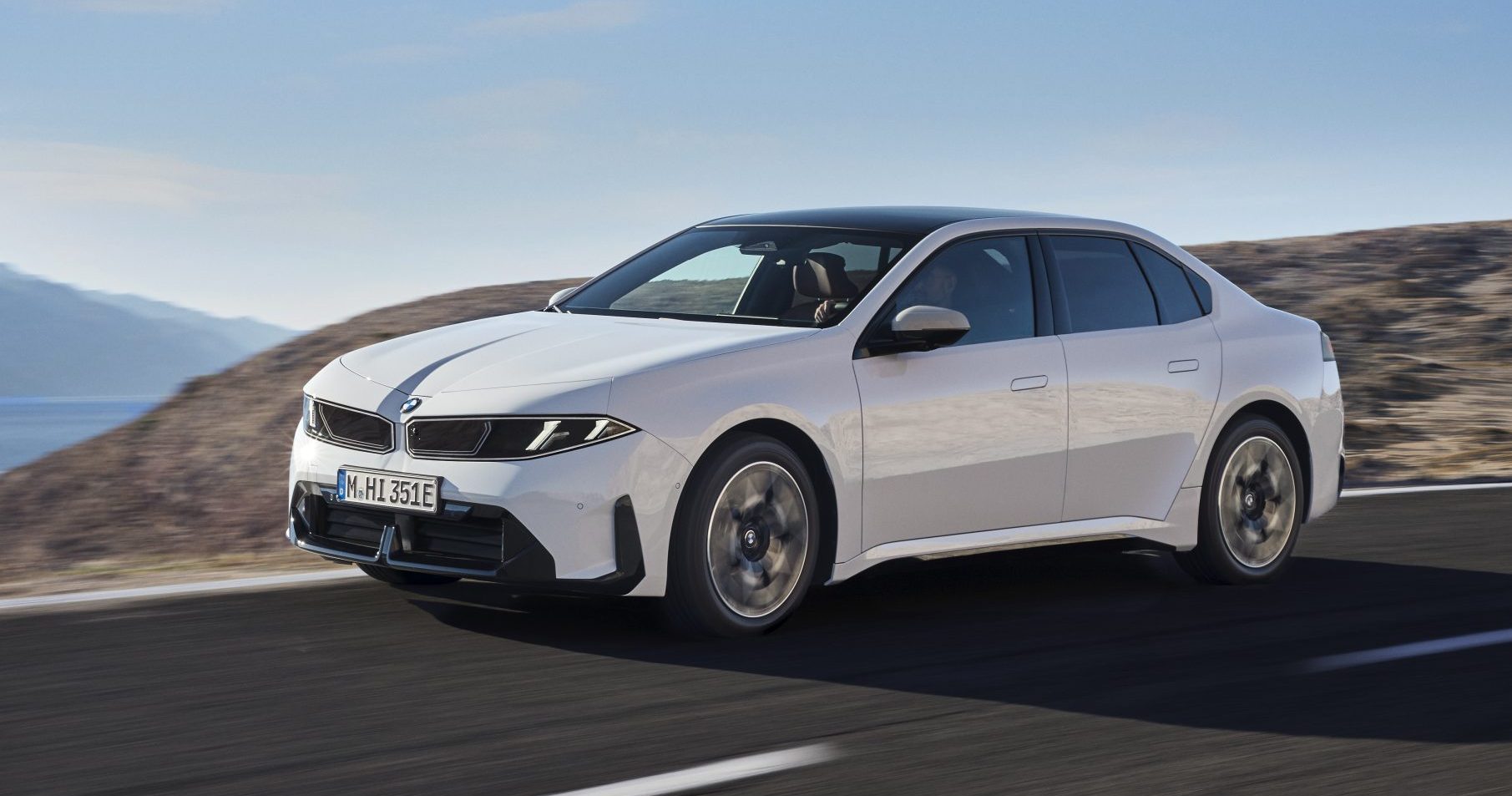
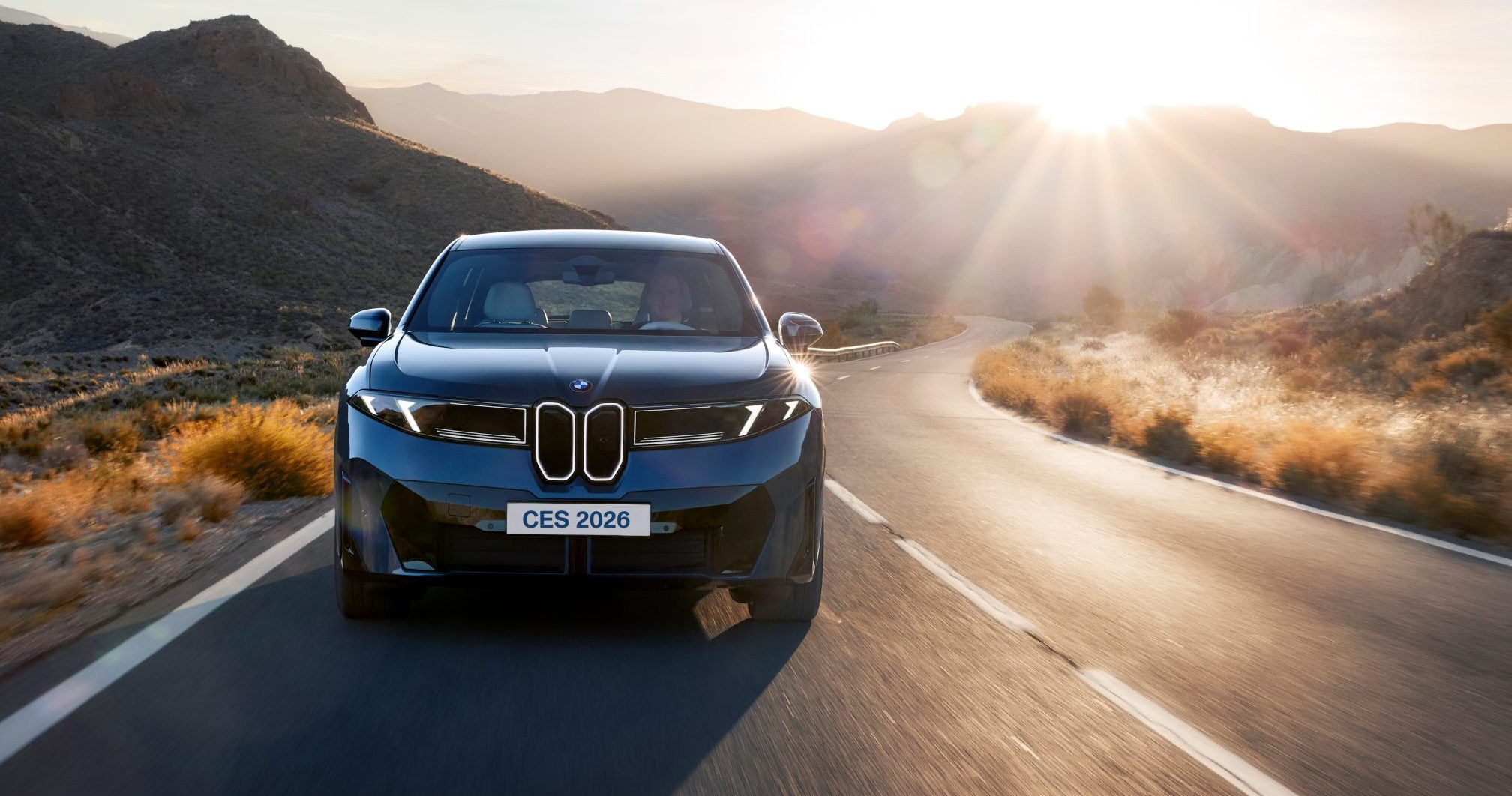
At the heart of BMW’s strategy is Neue Klasse.
The architecture is designed to provide a common technological foundation across a much broader range of BMW products, with the company aiming to roll its technology clusters across the portfolio regardless of drivetrain. BMW says more than 40 new or updated models will be launched by the end of 2027.
That creates a powerful economic argument for reducing the number of completely bespoke derivatives.
A high-volume model can spread development, software, engineering and manufacturing costs across hundreds of thousands of vehicles. A low-volume derivative cannot. If a niche model requires its own body structure, powertrain integration, electronics, crash testing, tooling and emissions certification, its business case becomes considerably harder to defend.
The Neue Klasse strategy therefore works best when BMW can take a common set of components and technologies and use them across multiple products.
Nedeljković has made standardisation explicitly part of that strategy, saying BMW’s engineering focus is on “increasing the speed of development through further standardization and commonality in engineering solutions and components”.
For BMW, this is potentially as important as the technology itself. A common architecture can reduce development time, simplify manufacturing and make it easier to adapt vehicles to different markets without creating an entirely new engineering programme.
Why the BMW XM is vulnerable
The BMW XM is an obvious candidate for scrutiny because it occupies an unusually narrow position in the range.
Introduced as BMW M’s first standalone production model since the M1, the plug-in hybrid SUV combines a large petrol engine with an electric powertrain and occupies the very top end of BMW’s SUV range. Yet it has never approached the volumes of mainstream BMW SUVs.
Reports have identified the XM as one of the models whose future is uncertain, although BMW has not confirmed that production will end or that a successor has been cancelled.
The XM illustrates the problem particularly well. Its engineering and powertrain technology are expensive, while its relatively small sales volumes mean those costs are spread across comparatively few vehicles. At the same time, its high CO₂ emissions when driven with limited electric assistance make it a difficult product to justify in an increasingly emissions-conscious European market.
That does not necessarily mean BMW will abandon high-performance plug-in hybrids. It could instead mean that M performance technology is integrated into higher-volume models that share more of their underlying architecture with the rest of the BMW range.
The 8 Series shows how luxury niches are changing
The 8 Series faces a different problem.
The large luxury coupé, convertible and Gran Coupé derivatives occupy a prestigious position in BMW’s range, but they represent relatively small volumes compared with the 3, 5 and 7 Series or the company’s SUV products.
Indeed, the existing 8 Series is already nearing the end of its production life, with reports indicating that BMW does not currently have an immediate successor planned.
That makes the 8 Series an important indicator of where BMW’s product strategy could be heading. BMW may continue to offer luxury and performance cars, but increasingly they will need to be derivatives of architectures and technologies that already underpin higher-volume models.
The result could be fewer model names without necessarily meaning fewer choices for customers.
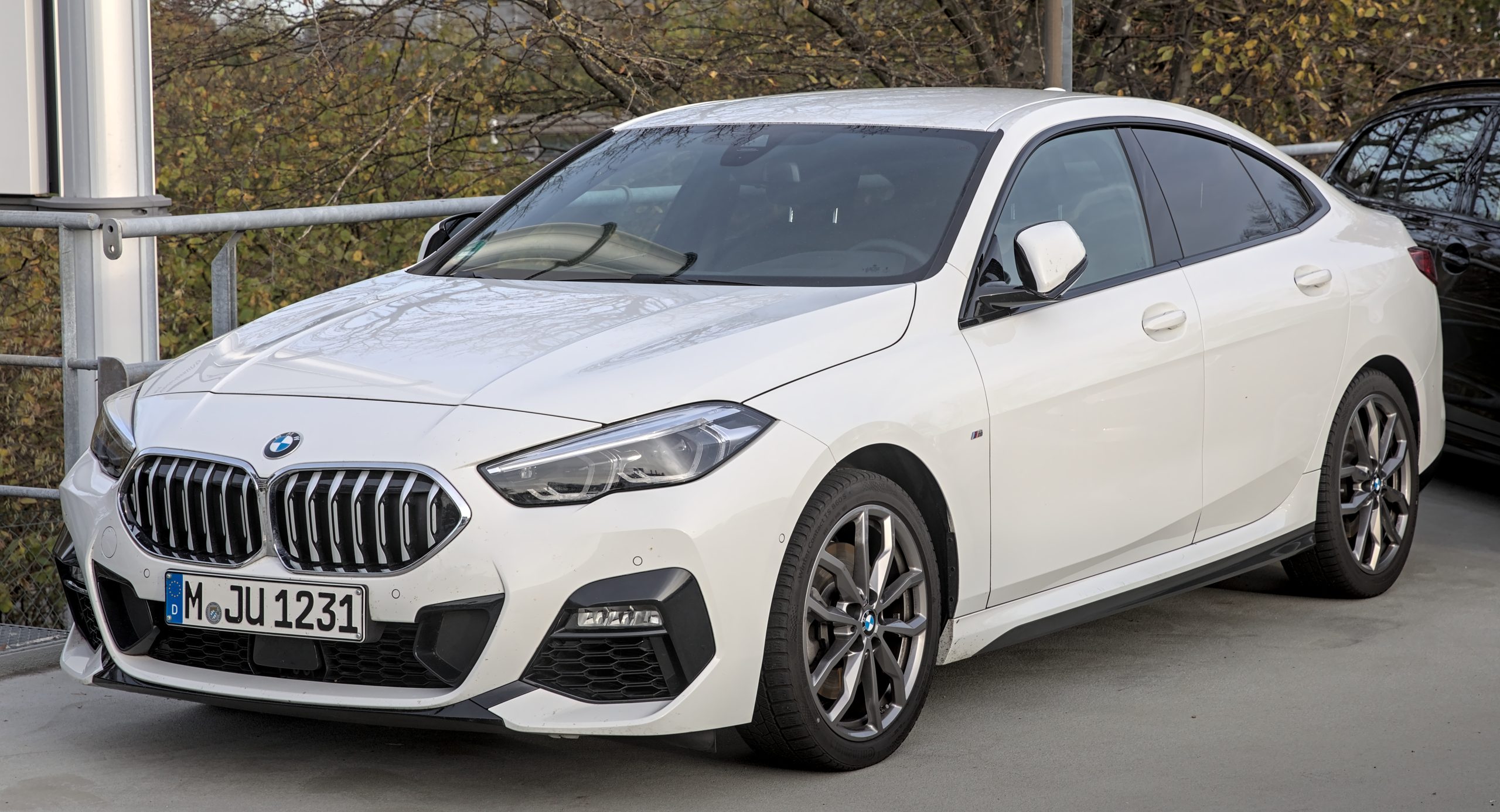
What about the 2 Series Gran Coupé?
The 2 Series Gran Coupé is potentially a more interesting case because it operates at the opposite end of the market.
Its purpose is to give BMW a compact, relatively accessible four-door model, but its front-wheel-drive-based architecture and relationship with the broader compact BMW and MINI family make it another example of where BMW must decide whether the investment in a particular body style is justified.
The current generation is built at BMW’s Leipzig plant alongside the 1 Series, 2 Series Active Tourer and MINI Countryman, demonstrating how shared manufacturing can already improve efficiency.
Consequently, the question is unlikely to be whether BMW can manufacture the car efficiently today. It is whether a future Gran Coupé derivative generates sufficient volume and margin to justify another generation when BMW is simultaneously investing heavily in Neue Klasse.
Falling profits make the calculation harder
The timing of the review is significant.
BMW’s first-half 2026 profit before tax fell 29.4% to €4.045bn, while the Automotive segment’s EBIT margin dropped to 3.6%, compared with 6.2% a year earlier. BMW cited difficult market conditions in China, currency effects, higher depreciation and amortisation and increased commodity prices.
The company is already responding with cost reductions and structural changes. It cut research and development expenditure by 7.6% in the first half and sales and administrative expenses by 6.1%.
That makes every future product programme subject to greater scrutiny.
The challenge is particularly acute because BMW is simultaneously carrying the enormous investment associated with Neue Klasse. Its finance division has warned that increased depreciation and amortisation from capital expenditure and capitalised R&D will create a significant earnings burden in 2026. BMW expects an Automotive EBIT margin of only 4% to 6% for the full year.
CO₂ rules add another layer of pressure
Europe’s emissions regulations provide another reason for BMW to reconsider low-volume, high-emission derivatives.
From 2025, the EU fleet-wide target for new passenger cars is around 93.6g/km, falling to 49.5g/km for 2030-2034 before reaching a zero-emission target from 2035.
BMW has already performed strongly against these requirements. Its European fleet emissions fell to around 90.0g/km in 2025, below its applicable 92.9g/km target.
However, regulatory compliance is not simply about producing efficient cars. The composition of the entire fleet matters. Selling large numbers of low-emission EVs gives BMW greater scope to sell higher-emission petrol and performance models while remaining within its overall targets.
That makes high-volume electrified models strategically valuable and low-volume, high-emission derivatives increasingly difficult to justify if they require substantial dedicated development.
The EU has provided manufacturers with additional breathing space by allowing compliance for 2025-2027 to be assessed over a three-year average rather than annually.
Nevertheless, that is flexibility rather than a fundamental relaxation of the direction of travel.
BMW’s challenge is to simplify without becoming boring
The danger for BMW is that excessive rationalisation could undermine one of its biggest competitive advantages: choice.
The brand has historically differentiated itself through a wide range of body styles, engines, performance derivatives and personalisation options. Nedeljković clearly recognises this, which explains his insistence that BMW is not currently planning to reduce its portfolio.
The more likely outcome is therefore a simpler architecture beneath a still-diverse range above it.
That could mean fewer genuinely unique engineering programmes, greater use of shared components, fewer low-volume drivetrain combinations and more market-specific decisions about which versions are actually offered.
In that respect, the BMW XM, 8 Series and 2 Series Gran Coupé are useful examples of the broader question facing the company, rather than confirmed casualties.
BMW has entered the Neue Klasse era with an ambitious plan to launch more than 40 new and updated models by the end of 2027. The paradox is that delivering that product offensive while simultaneously improving profitability may require BMW to have more models for customers but fewer fundamentally different cars underneath them.
For BMW, that may be the most important lesson from Audi’s restructuring. The future premium market is unlikely to reward manufacturers simply for offering the widest possible catalogue. It will reward those that can provide the right choice at the right price, while sharing enough technology and components to make each vehicle economically viable.
Nedeljković’s review therefore looks less like the beginning of a BMW model cull and more like a fundamental reassessment of what constitutes a viable BMW in the Neue Klasse era.