
National Highways has launched the next phase of its campaign urging motorists to leave more space on the roads, after new research revealed widespread tailgating and a decline in everyday driving etiquette across England.
Britain may pride itself on politeness and consideration, yet millions of drivers admit their manners deteriorate once they get behind the wheel. The findings suggest that pressure, stress and tight schedules are contributing to risky behaviours, particularly on motorways and major A-roads.
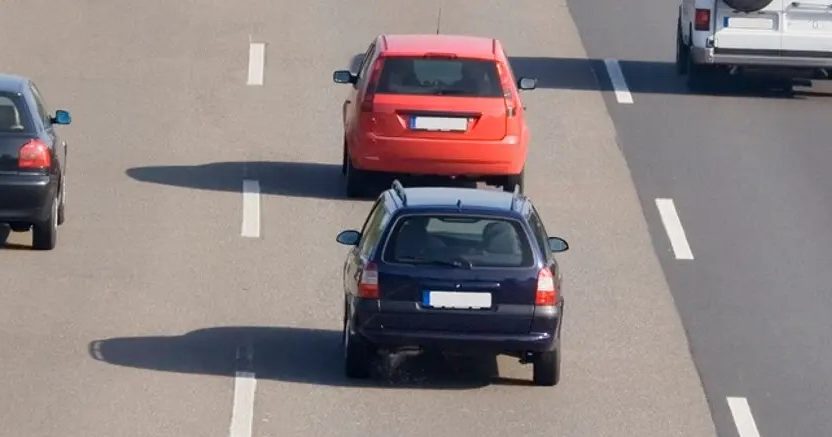
According to the research, an estimated 4.9 million drivers say their manners slip when they are under pressure, especially if they are running late. Around 10 million motorists admit they sometimes follow too closely without intending to, while 2.4 million confess to deliberately closing the gap to encourage slower drivers to speed up. Running late was identified as the biggest trigger for poor driving etiquette, cited by 27 per cent of respondents, followed by tiredness.
These findings form part of National Highways’ wider effort to improve driver behaviour and reduce dangerous practices such as tailgating. The organisation, which manages England’s motorways and major A-roads, has also developed a regional “manners map” analysing driver attitudes and behaviours across the country.
The map highlights notable regional differences. The South West recorded the strongest overall score for considerate driving, closely followed by the North West. In contrast, London and the South East ranked lowest, while the Midlands and the East of England fell below the national average. The results underline that tailgating is not confined to one particular region but is a nationwide issue.
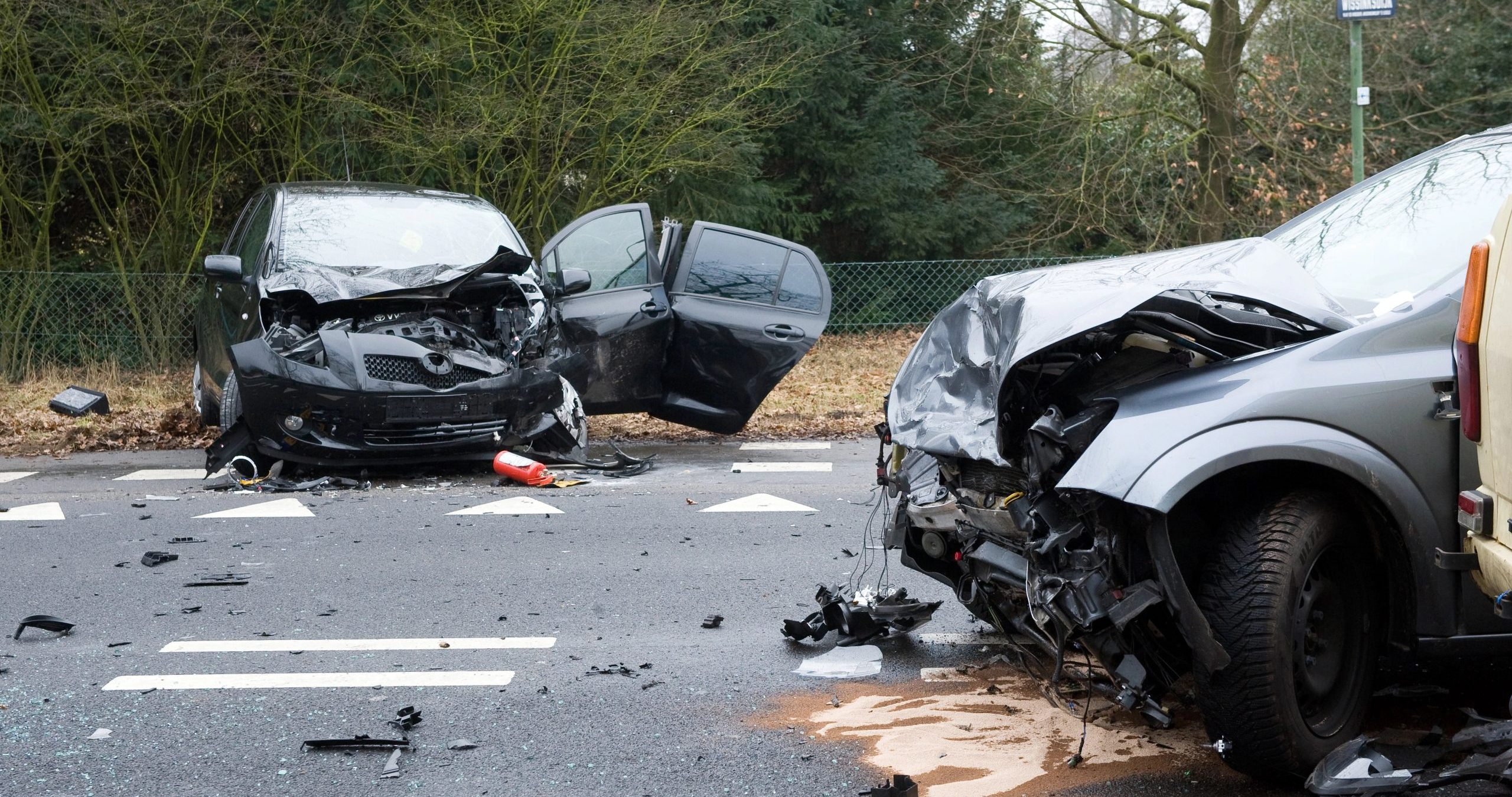
Road casualty statistics further reinforce the seriousness of the problem. Following too closely contributes to around 8 per cent of people killed or seriously injured (KSI) each year on England’s motorways and major A-roads. Based on five years of data from 2016 to 2023, excluding 2020 and 2021, this equates to an average of approximately 147 people annually.
Colin Stevenson, Road Safety Information Lead at National Highways, said: “Tailgating may seem harmless, but it can put everyone on the road at risk. Following too closely means there is less time to react and stop safely if the vehicle in front slows down or stops.
“Leaving a safe gap makes driving safer, keeps traffic moving more smoothly, and is a simple courtesy that helps everyone feel more relaxed behind the wheel. A good rule of thumb is the two second rule, which should be doubled in wet conditions or when visibility is reduced.”
The research suggests that while some drivers tailgate deliberately, many do so unintentionally as frustration builds in everyday traffic. Nationally, one in ten drivers rate their own road etiquette as poor, underlining the need for greater awareness and behaviour change.
Behavioural psychologist Dr Neale Kinnear, who specialises in driving behaviours, explained why normally considerate people may act differently in traffic. He said: “Most of us see ourselves as considerate people, but driving is a unique context. It’s goal-focused and often time-pressured. When we’re running late or behind other traffic, frustration can build. In that moment, closing the gap can feel like taking control or making progress.
“The reality is different. Drivers tend to overestimate how much time, if any, they save by pushing on. As frustration rises, perspective on the importance of keeping a safe margin, and the impact it has on others can be lost.”
Dr Kinnear added: “Leaving space isn’t just polite, it’s practical. A simple two-second gap keeps traffic flowing more smoothly, reduces stress, and makes the road a better place for everyone.”
The Highway Code advises motorists to leave at least a two-second gap between their vehicle and the one in front on faster-moving roads. This distance provides vital thinking and stopping time and should be increased in poor weather or when visibility is reduced.
Importantly, tailgating is not only dangerous but also illegal. Drivers caught following too closely can face enforcement action, including a £100 fixed penalty notice and three penalty points on their licence.
With tailgating contributing to serious injuries and fatalities every year, National Highways hopes its renewed campaign will remind drivers that leaving space is a small action that can make a significant difference. By maintaining a safe following distance, motorists can reduce collisions, ease congestion and restore a sense of courtesy to Britain’s roads.