
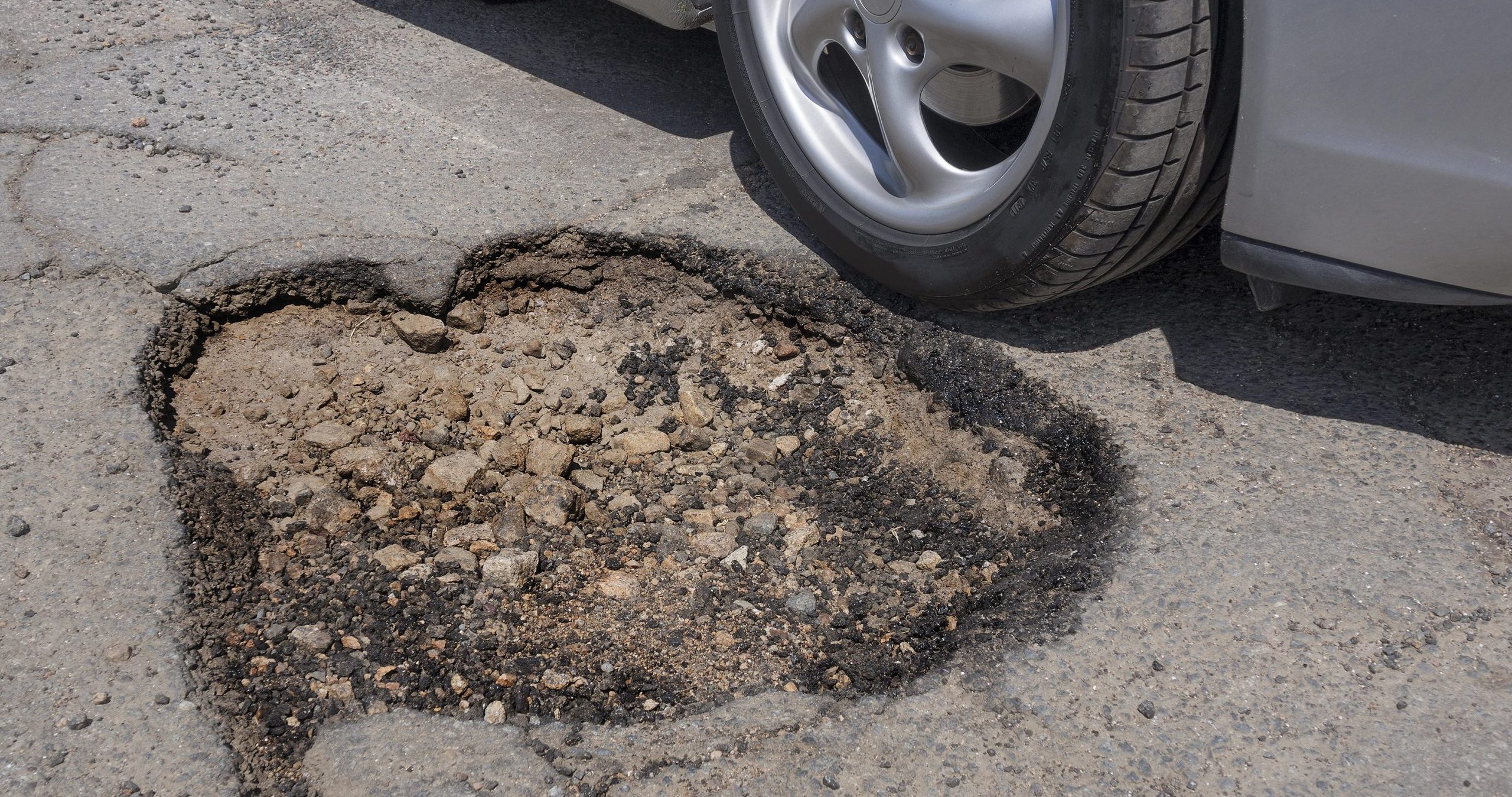
Every year on 15 January, the UK marks National Pothole Day — a reminder of the persistent problem of road surface damage that affects millions of drivers, cyclists and pedestrians. Far from a light-hearted moment in the calendar, this day highlights a serious national issue that costs motorists and the economy hundreds of millions of pounds and poses safety risks across the country.
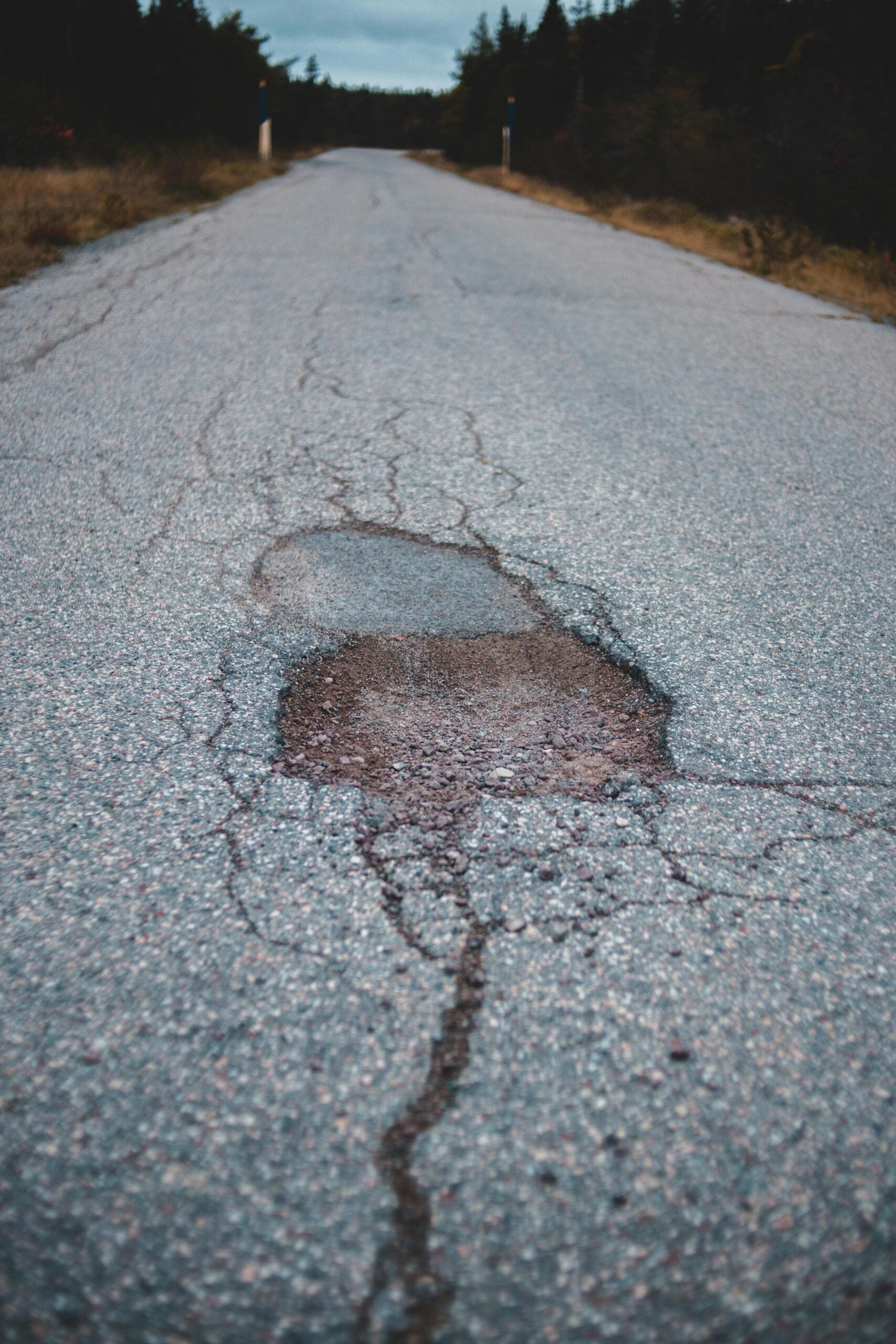
Photo by Erik Mclean: https://www.pexels.com/photo/empty-asphalt-road-with-cracks-going-between-coniferous-trees-on-cloudy-day-5688465/
National Pothole Day began in 2015, when campaigners and road users sought to raise awareness about the deteriorating state of Britain’s roads and encourage people to report potholes to their local authorities. Initially promoted by groups such as StreetRepairs.co.uk and supported by organisations like the Motorcycle Action Group, the day has grown into an annual fixture supported by motoring organisations, cyclists and road safety advocates.
The choice of mid-January is symbolic. Winter weather — with frequent rain, frost and freeze-thaw cycles — accelerates road damage, making potholes more prevalent and dangerous in the early part of the year. National Pothole Day therefore acts as both a call to action and a reminder of seasonal stressors on the highway network.
Why Do Potholes Continue to Develop?
Potholes form through a combination of environmental, structural and traffic pressures — and the UK’s climate plays a significant role:
- Water ingress and freeze-thaw cycles: Rain and melting snow seep into small cracks in the road. When temperatures drop, the water freezes and expands, breaking up the surface. Over repeated cycles, this leads to the collapse of the road surface and the creation of a pothole.
- Heavy traffic: Urban centres and major routes see high volumes of vehicles, especially lorries and buses, which exert pressure on road surfaces and worsen small cracks.
- Inadequate maintenance: Surveys of local authorities have shown many councils feel that the pothole problem has worsened over recent years, in part due to reduced funding for proactive maintenance and the prevalence of short-term “patch and run” repairs rather than lasting fixes.
- Climate change: Increasingly erratic weather — including heavier rainfall and more frequent temperature swings — compounds the strain on roads and accelerates pothole formation.
The scale of the problem is stark. Between January and November 2024, nearly 952,064 potholes were reported across the UK — the highest number in five years — averaging more than 3,000 reports per day.
Road defects are more than an irritation: they carry significant financial and safety costs. The AA reports hundreds of thousands of pothole-related incidents each year, with damage to tyres, wheels, suspension and steering costing motorists hundreds of millions of pounds annually.

JCB Pothole Pro. Image: JCB
Politicians and campaigners have weighed in. Future of Roads Minister Lilian Greenwood MP highlighted the use of innovative equipment such as the JCB Pothole Pro to improve repair quality on National Pothole Day, while Prime Minister Sir Keir Starmer has urged councils to “get on” with fixing broken roads for motorists.
A parliamentary report by the Public Accounts Committee described local road conditions as a “national embarrassment,” with wide portions of the network in decline and reactive repairs failing to keep pace with deterioration.
Remedies for a More Permanent Solution
Addressing the pothole crisis requires a shift in strategy from short-term fixes to long-lasting maintenance and investment. Key solutions being advocated include:
- Prioritise Permanent Repairs
Motoring organisations and the Pothole Partnership — an alliance including the AA, British Cycling, National Motorcyclists Council and industry partners like JCB — call for an end to temporary patchwork repairs. They advocate for resurfacing and robust reinstatement techniques that prevent water ingress and last longer.
- Increased, Ringfenced Funding
In response to campaigning around National Pothole Day, the UK Government has pledged £1.6bn for local road maintenance, with the aim of filling up to seven million more potholes and encouraging longer-term repairs.
- Use of Innovation and Technology
New methods such as heating and re-bonding asphalt — effectively “welding” road surfaces back together — can provide more durable repairs than traditional cold patches. Such innovations reduce water damage and extend the life of restored road surfaces.
- Proactive Maintenance Strategies
Industry voices urge councils to invest in preventative measures, such as sealing small cracks early and using surface preservation techniques. This proactive approach stops potholes forming in the first place and reduces long-term costs.
- Public Reporting and Transparency
National Pothole Day encourages the public to report defects, helping councils prioritise repairs. Better data and transparent reporting on repair backlogs also support strategic planning and accountability.
National Pothole Day in the UK is far more than just a quirky date on the calendar. It’s a call to action — a reminder that potholes impact safety, cost time and money, and reflect broader challenges in infrastructure management. While climate pressures, traffic levels and budget constraints mean potholes are unlikely to disappear overnight, sustained investment in permanent repairs, innovative technology and preventative maintenance represents the path forward.
RAC head of policy Simon Williams said: “Fixing potholes as permanently as possible is vital. There’s nothing drivers find more incensing than watching them reappear after a few months, simply because they weren’t repaired to a high enough standard.
“But it’s important not to lose sight of the bigger picture which is that potholes are symptomatic of a lack of preventative maintenance. Roads that haven’t been surfaced dressed will start to break down as water gets into cracks, freezes and expands in the winter creating more potholes than daffodils in the spring.
“The route to smoother driving surfaces is simple: ensure water can always drain off the roads, fix potholes as permanently as possible, seal roads against water ingress through preventative maintenance, and resurface roads that have gone beyond the point of no return.
“If we continue to obsess with just filling potholes, that’s all we’ll continue to get.”
With continued pressure from campaigners, industry bodies and policymakers, the hope is that future National Pothole Days will see fewer craters and smoother roads for all.