
If you share your car, you might not even stop to think while you rejig the seat or mirrors before setting off. But what about adjusting the steering wheel? In commercial vehicles, adjustable steering columns offer the most freedom, but designing and specifying one requires careful thought, says Kostas Poulios, principal design and development engineer for steering systems manufacturer, Pailton Engineering.
From city buses to military vehicles, adjustable steering columns are one of those components that often go unnoticed until they don’t work properly. Behind the scenes, steering system developers are tailoring column designs to meet the ergonomic, safety and operational demands of a wide range of vehicle types.
But what are the main types of adjustable columns? And how do vehicle manufacturers decide which is best for their application?
Types of adjustable column
The original and most basic form of steering column is the fixed column. Still used in certain applications, such as some military or motorsport vehicles, fixed columns offer no adjustment at all. Any ergonomic requirements must be met by altering seat or pedal positions instead.
This can work in contexts where simplicity and robustness take priority over driver comfort. In a military vehicle, for example, a driver might prioritise ease of use over advanced adjustability, especially in high pressure environments.
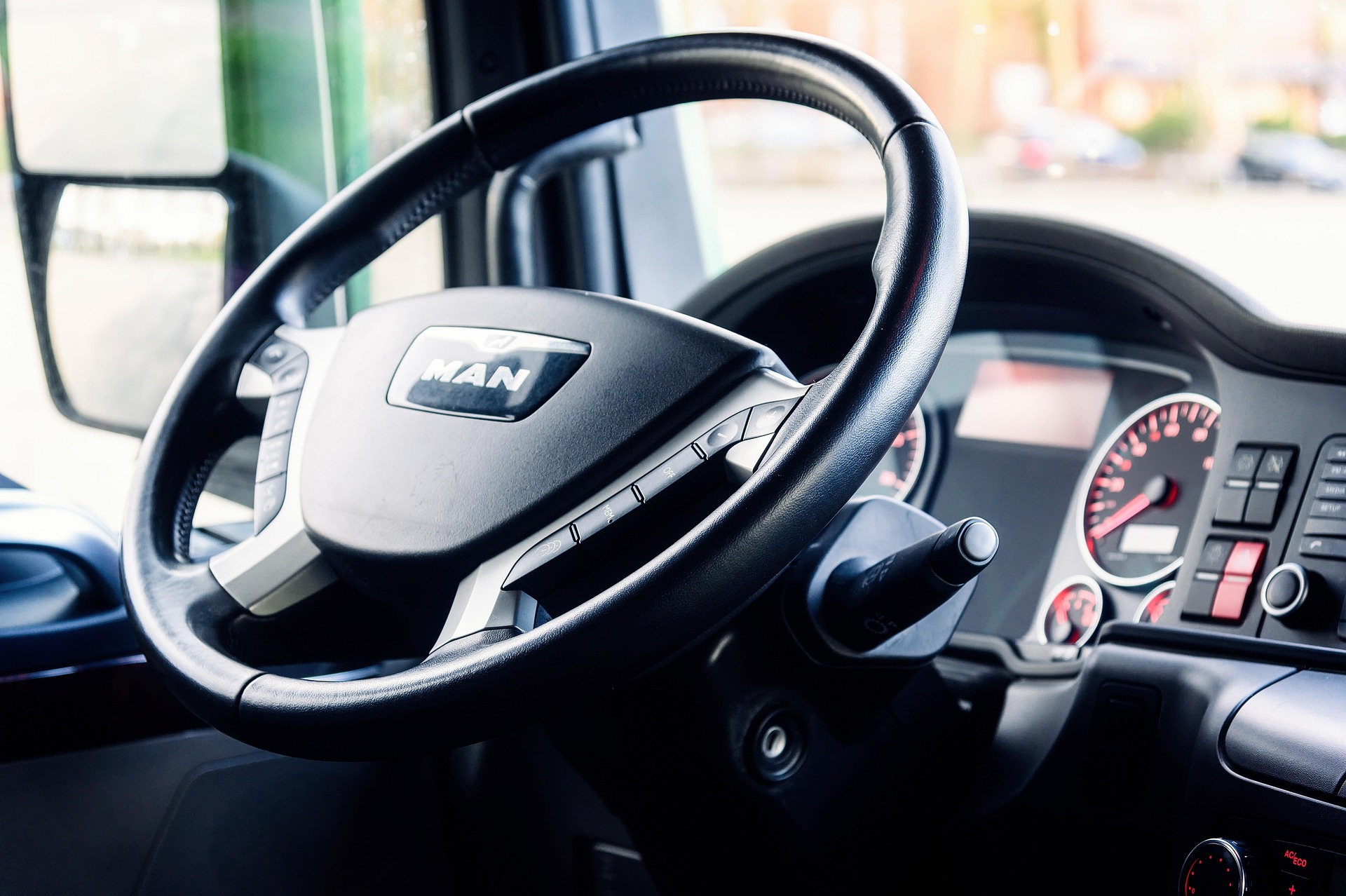
For many commercial, passenger and specialist vehicles, however, adjustable columns are the norm. Tilt and telescopic adjustments allow drivers to both raise and lower the wheel and move it towards or away from them respectively, to find an ergonomic, functional position.
The main difference lies in the clamping mechanism. For example, manual clamp designs use a lever to release the column for adjustment. They are simple, robust and cost-effective.
On the other hand, pneumatic clamps, which are found in many commercial vehicles, use the vehicle’s onboard compressed air system to power a mechanism that releases the clamp at the push of a button. This is helpful in vehicles in which adjusting the steering column manually could require both hands.
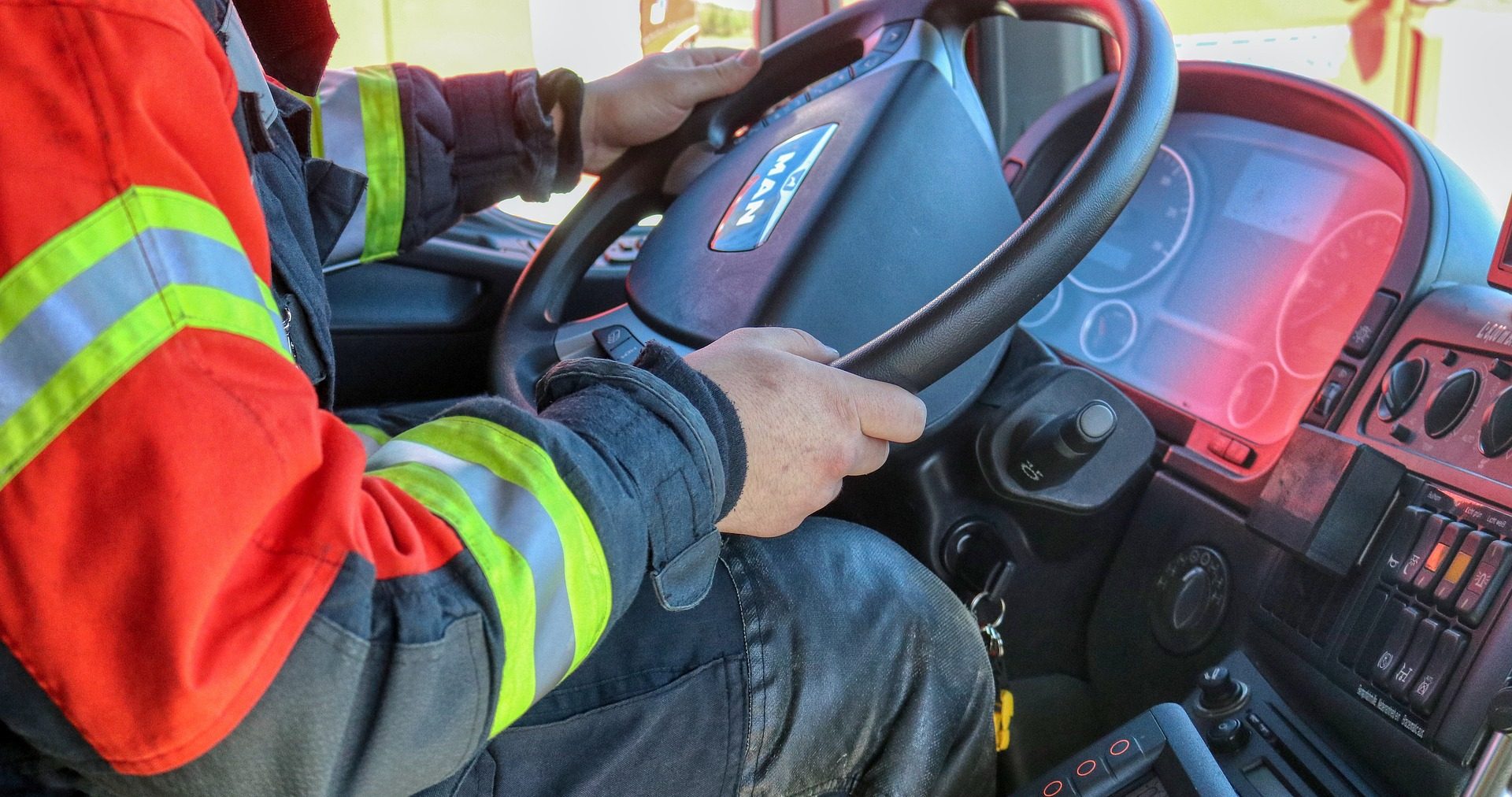
Some manufacturers are also exploring electric adjustable columns. These allow for programmable memory positions, enabling quick changeovers between drivers. Such a solution would be ideal in a fleet of buses, for example, where driver changes must be rapid. Often, busy drivers do not have time to manually adjust their workstations, perhaps explaining why three in four drivers suffer from musculoskeletal injuries, according to a survey of bus drivers by RMT union.
Why adjustability matters
Steering columns affect more than comfort, they can influence health, safety and even fleet efficiency. Drivers come in all shapes and sizes, so a properly adjusted driving position reduces the risk of back, neck and shoulder pain, especially during long shifts. In some countries, like Germany, bus operators even assess each driver’s posture to ensure safe and ergonomic positioning.
Beyond comfort, there are practical and even legal considerations. International standards and regulations such as the VDV in Germany, FMVSS in the United States and ECE regulations in Europe, specify ranges of adjustment for steering systems to accommodate diverse driver populations.
Adjustability also plays a role in reducing downtime. For example, electric columns with memory settings could speed up shift changes in bus depots. In the long term, this feature may even reduce insurance claims by providing data on driving positions in the event of injury complaints.
Design challenges
Steering columns are rarely designed in isolation. The column must integrate with the seat, dashboard, air ducts, wiring and even the pedals. Vehicle architecture often limits the available range for tilt and telescopic movement. For example, there might be a cluster of digital or analogue gauges mounted to the column or ducting that restricts motion.
The goal is always to maximise ergonomic adjustability without introducing vibration, mechanical clashes or structural weakness. For instance, a customer might specify they require a tilt angle of ±30 degrees and a travel distance of ±55 mm. The challenge is then to design a bespoke column that meets those requirements while maintaining the highest levels of reliability and performance.
International standards of adjustability vary because the size and shape of the ‘average driver’ differs slightly around the world. Often, OEMs building vehicles for global markets will specify movement ranges that align with multiple international standards.
Future trends
In recent years, the steering column has become more than just a mechanical linkage. Today, the column often has to support displays, switches and digital interfaces, whereas it used to have nothing extra attached to it.
In buses and coaches, for instance, large portions of the dashboard are now mounted to the column itself, ensuring all controls remain within reach, regardless of column position. But a dashboard could weigh as much as 20kg, and the result is a heavier column that requires additional support and careful balancing using springs or gas struts to make adjustment feel effortless.
Some manufacturers are also developing fully electric columns with programmable presets. These systems may eventually interface with broader vehicle networks, enabling biometric login, remote diagnostics and predictive maintenance.
Choosing the right type
Ultimately, the best column for any vehicle depends on the application. Buses, coaches, lorries and specialist off-highway vehicles all have different needs. Fleets with high driver rotation benefit from fast, ergonomic adjustability.
Pneumatic systems require onboard compressed air, while electric systems demand integration with vehicle electronics. Manual clamp systems are more affordable but less efficient or effortless than pneumatic or electric alternatives.
In a forklift or military vehicle, a fixed column may be the right answer. But in a coach where the driver is working eight-hour shifts, comfort and adjustability are essential. Whether the goal is to maximise comfort, meet regulatory standards or streamline fleet operations, choosing the right type of adjustable columns is key to designing a vehicle where the driver doesn’t even have to think while making their adjustments.
Pailton Engineering designs and manufactures steering components and complete steering systems for the commercial, military and specialist vehicle sectors. To see the full product range, visit Pailton.com.